

Buying links is the part of SEO where the gap between the best and worst vendor is widest, and where the worst vendor can actively damage the site you are paying them to help. Two agencies quoting $300 a link can be doing completely different work, one earning a placement through outreach and the other renting space on a site that exists to sell space.
This list separates them by model, because the model predicts the quality far better than the price does. The first entry is not an agency at all, and the reason it leads is explained in the entry itself.
How we compared these
All fourteen were loaded on their live sites in August 2026 and screenshotted, so every provider here resolved and is a real, trading business. Anything that 404ed or turned out to be a parked domain was cut before writing.
We have not bought links from all fourteen, and any page claiming it has is not telling you the truth. What each entry reports is the model the vendor publishes, the link type they sell, and the failure mode that model tends to have.
First, the question nobody selling links will ask you
If you are an agency or a consultant buying links on behalf of clients, the honest first question is whether you should be buying a service at all, or licensing software and keeping fulfilment in-house. Those are different businesses with different margins.
An agency charges per client and per link, so your cost rises in a straight line with the number of clients you win. Software charges a flat fee, so the same work across ten clients costs roughly what it cost across one. That difference is the whole reason the first entry is here.
1. Distribb, the software route rather than a service
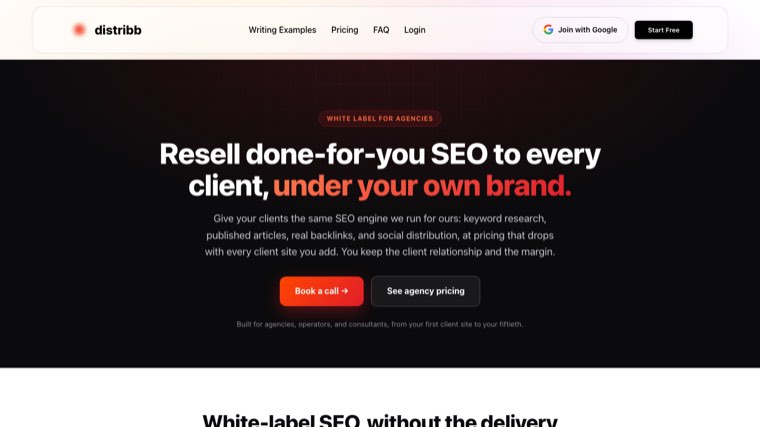
Distribb is software, not an agency. Nobody here takes on your client, joins their calls or writes their strategy, and it is worth being blunt about that before anything else, because the rest of this list is made of agencies and the comparison is not like for like.
What it does is run the link side through a backlink exchange, where sites in the network link to each other on merit rather than through paid placements. Alongside that it handles keyword research, article writing, publishing into the client's CMS and internal linking, which is the content half that most link campaigns are missing anyway. The whole thing can be white labelled so the client sees your brand.
Why it leads a list of services: no per-client fee that climbs with volume, no turnaround queue behind other people's orders, and you keep both the client relationship and the margin. Our comparison of backlink exchange platforms covers the others that run this model and how they differ on moderation.
Honest limitation: there is no strategist and no account manager. It will not do manual technical fixes, local citation cleanup, or digital PR, and it will not sit on a monthly call explaining results to your client. If the client is buying a person as much as an outcome, one of the thirteen agencies below is the right purchase and this is not.
The established outreach agencies
2. FATJOE, the volume workhorse
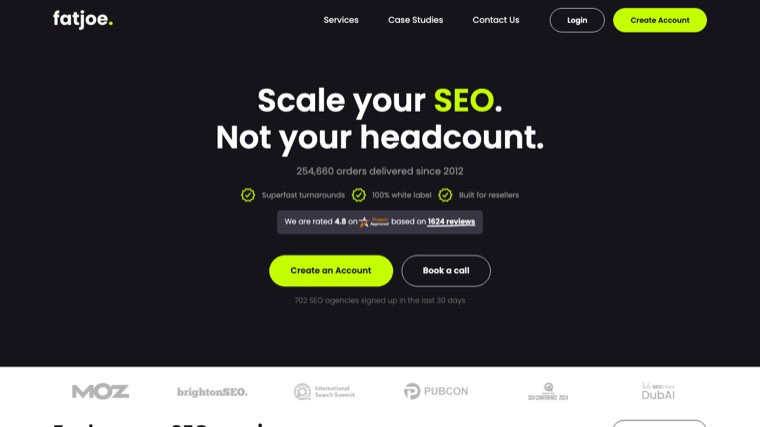
The most widely used white label link vendor in the agency world, built around a productised order form rather than a bespoke campaign. You pick a package, submit the order, and it arrives on a predictable timeline.
Best for: agencies that need reliable throughput and want reselling to be simple.
Where it is weak: productised means standardised. You will not get a campaign shaped around your client's particular niche.
3. Page One Power, campaigns rather than orders
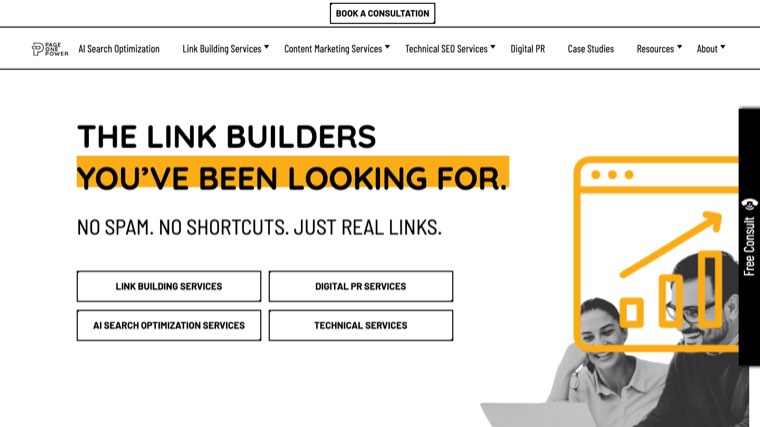
A long-established US agency that runs manual, resource-led campaigns with a dedicated team rather than selling packages off a shelf. Their public position on white hat method has been consistent for years, which counts for something in this category.
Best for: brands that want a managed relationship and can wait for links earned properly.
Where it is weak: minimum commitments and pricing that puts it out of reach for small sites.
4. Stan Ventures, managed at a lower price point
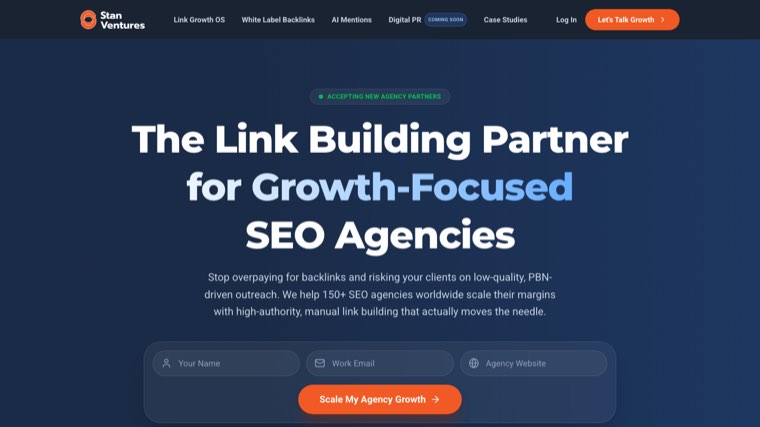
Sits between the productised vendors and the full campaign agencies, offering managed outreach with account support at a price closer to the order-form end of the market.
Best for: agencies that want a human contact without enterprise minimums.
Where it is weak: the lower price shows up as less selective placement than the premium campaign shops.
5. LinkBuilder.io, senior team, fewer clients
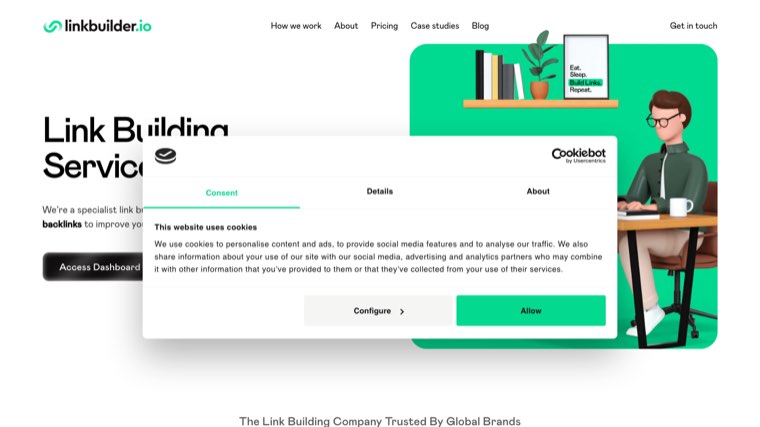
Deliberately takes on a smaller roster and staffs campaigns with experienced people, aiming at the top of the quality range rather than the middle of the volume range.
Best for: competitive niches where a handful of genuinely strong links beats fifty ordinary ones.
Where it is weak: it is priced accordingly, and capacity is limited by design.
6. Loganix, the reseller's toolkit
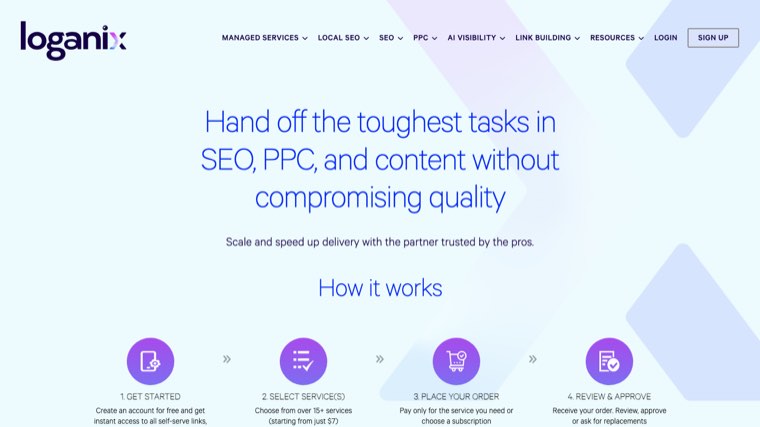
A broad menu of productised SEO deliverables, links included, built with agency resellers as the intended buyer. Ordering, reporting and rebranding are the parts they have optimised.
Best for: agencies assembling fulfilment from several productised sources.
Where it is weak: breadth over depth. Links are one line on a long menu rather than the whole company.
7. The HOTH, the best known productised vendor
Enormous, long-running, and transparent about packaging and pricing. Very easy to buy from, with a dashboard built for resellers.
Best for: predictable, entry-level link volume where the brief is simple.
Where it is weak: scale brings standardisation, and the cheapest tiers are the ones that attract the most criticism in this industry.
8. SERPLogic, agency-facing and blunt about it
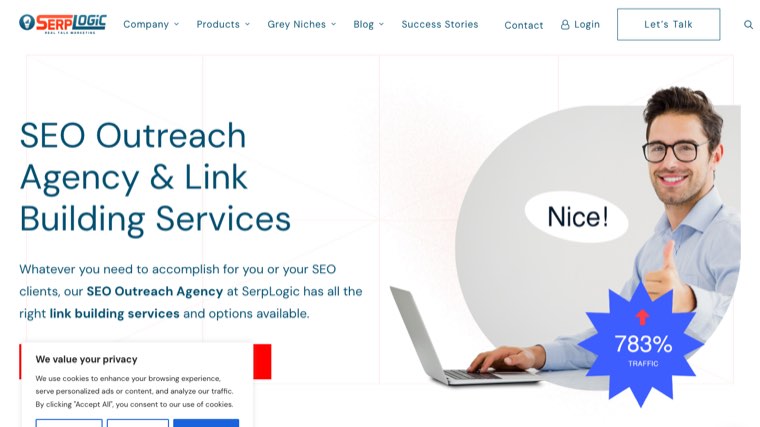
Sells largely to other agencies and is unusually direct in its marketing about what does and does not work in link building.
Best for: resellers who want a vendor that speaks their language.
Where it is weak: the confident marketing tone is not itself evidence, so ask for niche-specific samples.
The digital PR and editorial end
9. uSERP, links through genuine authority placements
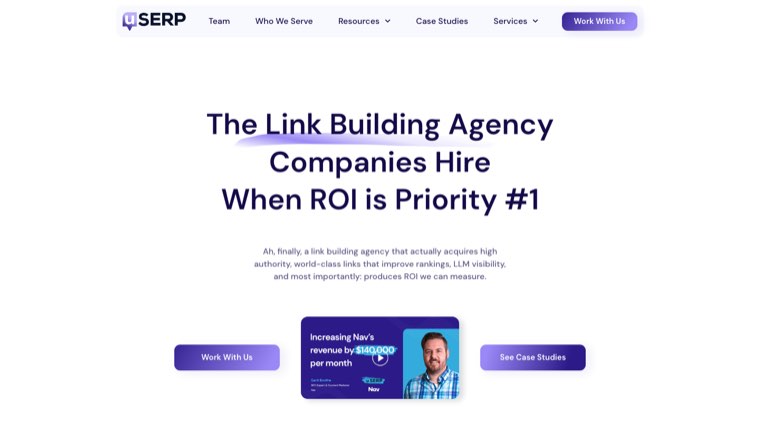
Focused on placements in publications people have heard of, won through relationships and contributed expertise rather than paid slots. Closer to PR than to link buying.
Best for: funded brands where a small number of authoritative mentions moves the needle.
Where it is weak: expensive, slower, and the pipeline is harder to forecast than a productised order.
10. Siege Media, content that earns the link
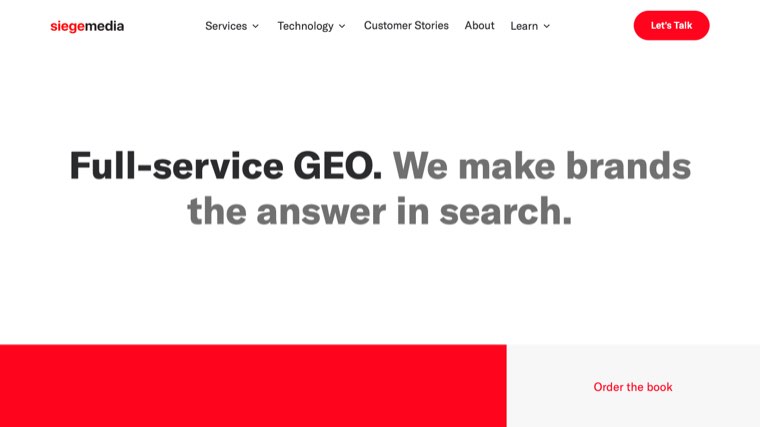
Primarily a content agency whose link acquisition comes from producing assets worth citing, rather than from outreach to place existing pages.
Best for: brands willing to invest in the asset first and treat links as the result.
Where it is weak: it is a content engagement with link outcomes, not a link service. Budget and timeline reflect that.
11. Stellar SEO, custom outreach campaigns
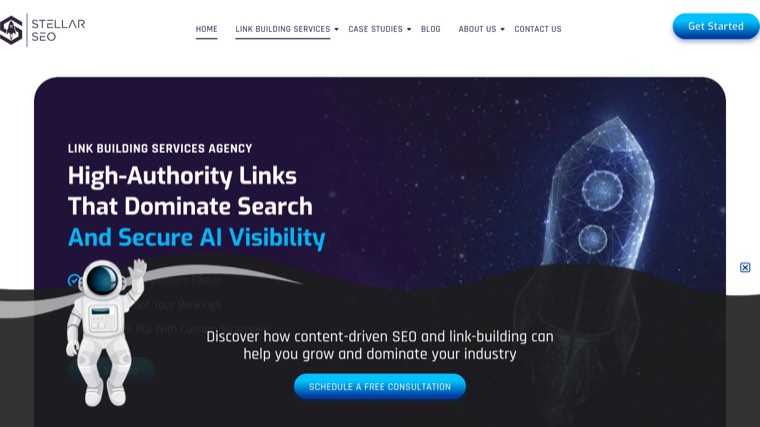
Runs bespoke outreach with an emphasis on relevance to the target site's actual audience, rather than filling a quota against a domain rating threshold.
Best for: businesses in niches where generic outreach lists are useless.
Where it is weak: custom work means slower ramp and more of your time spent briefing.
The specialists
12. Rhino Rank, curated and guest links at scale
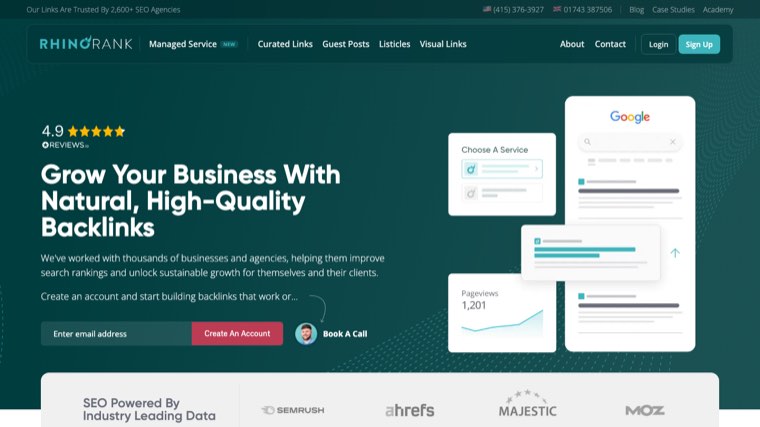
Specialises in a narrow set of link types and sells them efficiently, with clear ordering and quick turnaround for agencies.
Best for: topping up a campaign with a known link type at a known cost.
Where it is weak: curated links are the most contested product in this category. Understand exactly what you are buying.
13. Authority Builders, a vetted marketplace
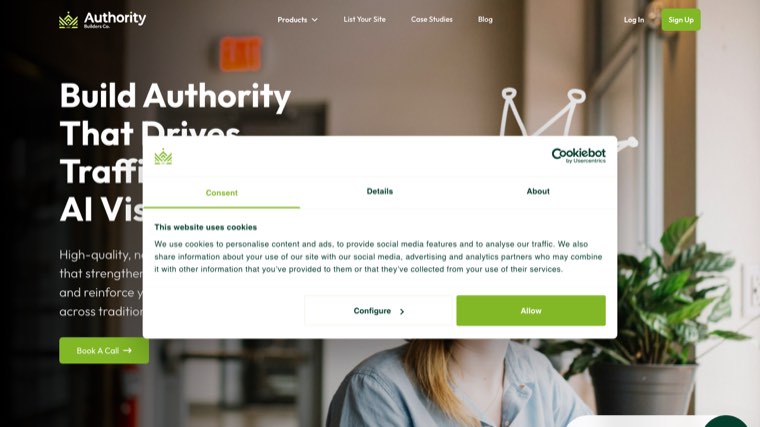
A marketplace model where you see the sites and their metrics before you commit, rather than trusting an agency to choose for you.
Best for: buyers who want to inspect and approve every placement.
Where it is weak: marketplace pricing varies wildly, and vetting still falls partly to you.
14. Linkifi, managed link building with reporting
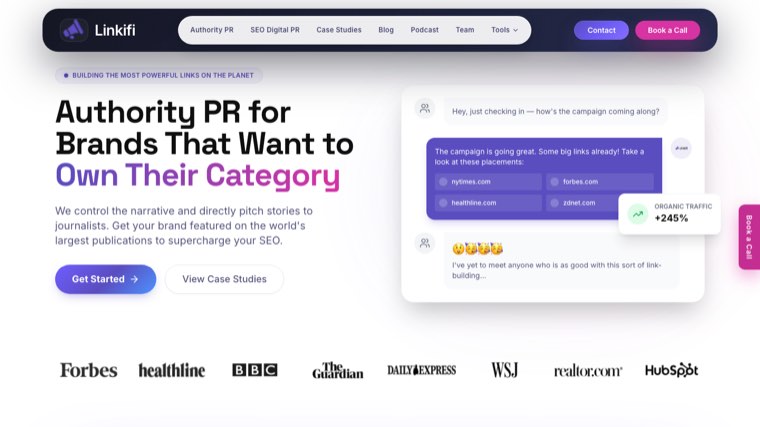
A managed service pitched at businesses that want the campaign handled and the reporting clear, without an enterprise contract.
Best for: small and mid-sized businesses buying links directly rather than through an agency.
Where it is weak: a smaller operation than the household names, so check capacity in your niche before committing.
How to choose without getting burned
Ask any vendor for three live examples in your niche, not a domain rating average. An average hides the fact that half the placements sit on sites that exist only to host paid links. Our usable guide to vetting an SEO backlink building service lists the rest of the questions worth asking.
Ask what happens if a link is removed after six months, and get the answer in writing. Then start with the smallest order the vendor will accept, because the only reliable test of a link service is a small batch you inspect yourself. Our guides to guest posting services and white label link building services go deeper on the two models agencies buy most. If you would rather assemble it in-house, our guide to building a reliable automated backlink service covers the process. If you want the same field sorted by price rather than by model, our roundup of the best link building services covers ten of them.
If you are an agency, run the maths before you buy
Add up your link spend for one client, multiply it by the number of clients you want next year, and compare that number to a flat software fee. For most agencies past three or four clients, the per-client model is the thing capping the margin. The software side of that comparison is in our list of automatic backlink software.
Distribb's white label plan puts content production, publishing, internal linking and the backlink exchange under your own brand at a flat rate, with a 7-day free trial. It replaces the fulfilment, not the strategist, so keep reading the thirteen agencies above if a person on the client call is part of what you are selling. For the software side of the same job, see our comparison of backlink services. Our guide to automating blog writing and backlink building covers how the two halves fit together.