
Rank trackers all do the same thing, so they compete on four narrow points: how accurate the positions are, how often they refresh, whether they can track by location and device properly, and how much they charge per keyword. If you are not sure you need a paid tracker yet, our walkthrough of how to check keyword rankings on Google covers the free methods first.
Nothing else matters much. The interface is the interface, and every tool exports a CSV.
How we checked this list
Every tool below was loaded on its live site in August 2026, and prices were read off the vendor's own pricing page that day. Where a vendor gates pricing behind a demo or renders it in a way we could not read, we name the plan and leave the figure out rather than repeating one from another article. Currency is as the vendor displayed it to us, which is why some entries are in euros. We have not run a controlled accuracy test across all fourteen and do not claim to have.
What to compare on
| Factor | Why it matters |
|---|---|
| Update frequency | Daily is standard, on-demand matters when a client emails about a drop |
| Location granularity | City or postcode level is essential for local clients, country level is not enough |
| Keyword allowance | The real unit of cost, more than the plan name |
| Device split | Mobile and desktop diverge more than most reports admit |
| White label | Needed the moment a client sees the report |
Quick answer
- Best for most SEO teams: Nightwatch
- Most accurate and fastest refresh: AccuRanker
- Best value mid-market: SE Ranking
- Best if you already pay for a platform: Semrush or Ahrefs
- Cheapest credible tracker: Wincher
- Best for local clients: BrightLocal
- Best inside a client dashboard: AgencyAnalytics
Comparison
| Tool | Entry price | Refresh | Local tracking | White label |
|---|---|---|---|---|
| Wincher | Low-cost tiers | Daily | Yes | Limited |
| Mangools | Mid tiers | Daily | Yes | Limited |
| Morningscore | Mid tiers | Daily | Yes | No |
| Nightwatch | €79/mo | Daily | Postcode level | Yes |
| SE Ranking | Agency tiers | Daily | Yes | Yes |
| Serpstat | Mid tiers | Daily | Yes | Yes |
| SEOptimer | $29/mo | Daily | Yes | Yes |
| BrightLocal | $31/mo | Daily | Local first | Yes |
| WebCEO | Agency tiers | Daily | Yes | Full resale |
| AgencyAnalytics | Per client | Daily | Yes | Yes |
| Moz | Platform plans | Weekly by default | Yes | Limited |
| Semrush | Platform plans | Daily | Yes | Via add-on |
| Ahrefs | Platform plans | Configurable | Yes | No |
| AccuRanker | $224/mo | On demand | Yes | Yes |
1. Nightwatch, the best all-round tracker
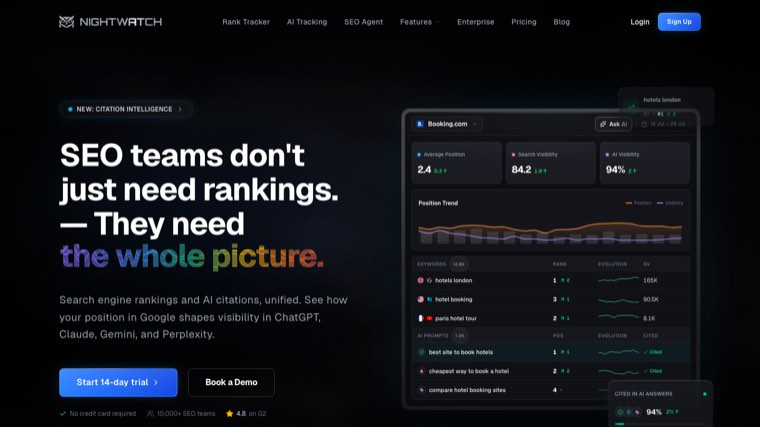
€79, €159 and €399 a month across the tiers on the pricing shown to us. Daily updates, tracking down to postcode level, AI search visibility monitoring and white label reporting. Agencies who need that reporting under their own brand should read our roundup of Distribb's white label SEO.
The segmentation is what separates it from cheaper trackers. Slicing rankings by intent, location, page type or device turns a position report into something a client can act on. Turning those slices into something a client reads is covered in our guide to AI SEO dashboards.
Honest limit: priced in euros, which adds a conversion step for US agencies. Site audit and content features are thin, so it is a tracker rather than a platform.
2. AccuRanker, accuracy and on-demand refresh
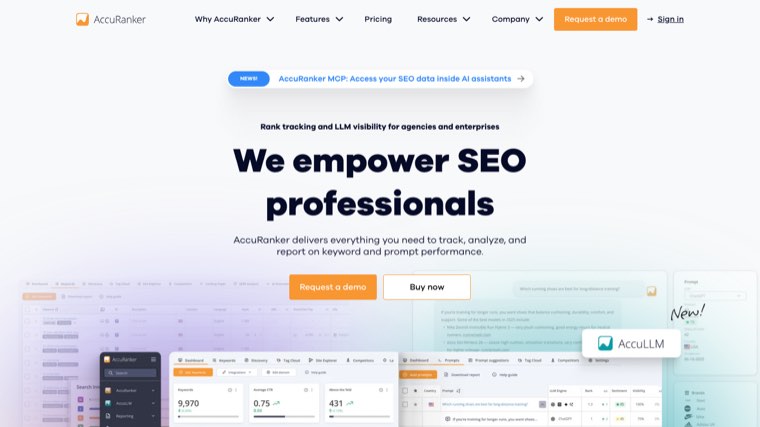
$224 a month at the entry tier, $764 higher up. Rankings refresh on demand rather than on a fixed daily cycle, which is the feature people pay for.
When a client emails at 9am asking why they dropped, being able to re-check immediately rather than waiting for tomorrow's crawl is worth real money to some agencies.
Honest limit: expensive for a single function, and it does nothing outside rank tracking. Only justifiable if ranking data is what you sell.
3. SE Ranking, the value pick
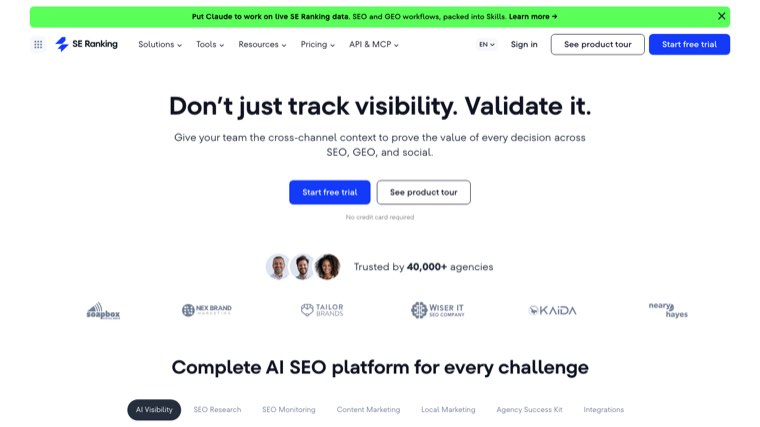
Daily tracking with local and mobile positions, generous keyword limits and a lower per-keyword cost than the big platforms, inside a product that also does audits, backlinks and competitor research.
For a mid-market agency this is usually the best ratio of coverage to cost on the list.
Honest limit: backlink data is behind Ahrefs and Semrush. Pricing was not readable on their page for us, so confirm the tier.
4. Wincher, cheap and focused
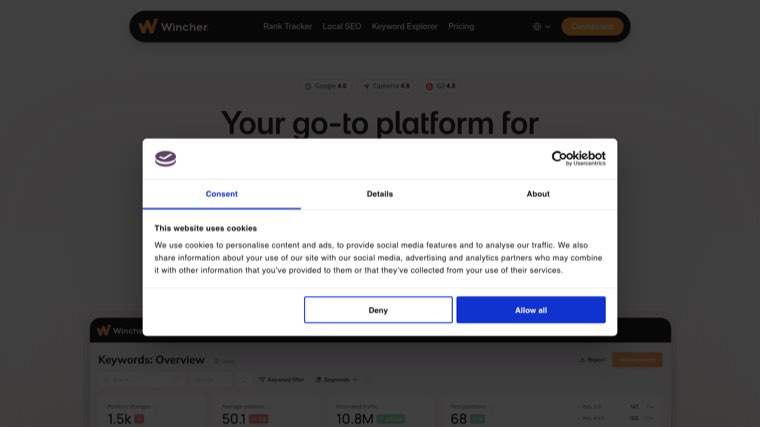
A dedicated tracker at a fraction of the platform prices, with daily updates, location tracking and a WordPress integration.
If all you need is to know where you rank, this is the cheapest credible way to know it.
Honest limit: it tracks rankings and very little else. Reporting is basic and white labelling is limited.
5. Mangools, tracking inside a friendly suite
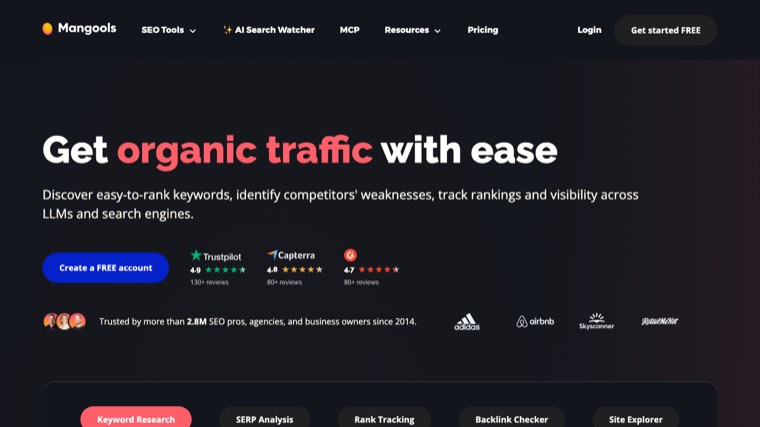
SERPWatcher sits alongside KWFinder and the rest of the Mangools suite, with daily updates and a clean interface that beginners get productive in quickly.
The suite pricing makes it good value if you also want keyword research.
Honest limit: keyword limits are tighter than the value trackers, and it is aimed at small teams rather than agencies with many clients.
6. Serpstat, tracking plus a platform
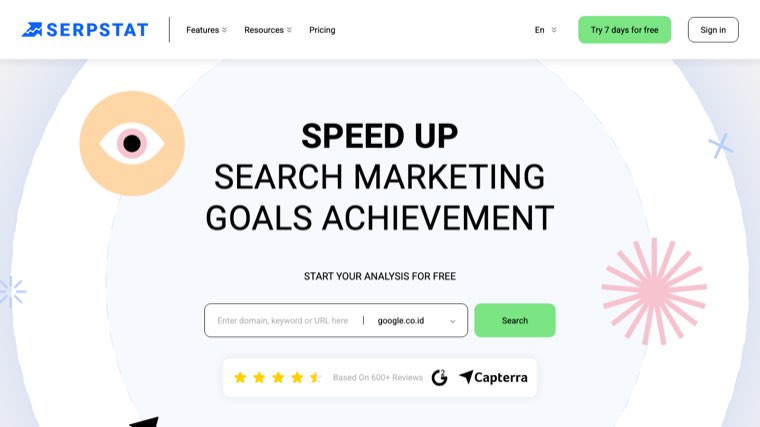
Rank tracking within a broader SEO platform at a price well below Ahrefs or Semrush, with white label reporting available.
For a small agency that wants tracking, keyword research and competitor gaps in one subscription, this is the affordable version of that.
Honest limit: a smaller index means a thinner long tail, and accuracy trails the leaders in some markets.
7. Morningscore, tracking with a lighter interface
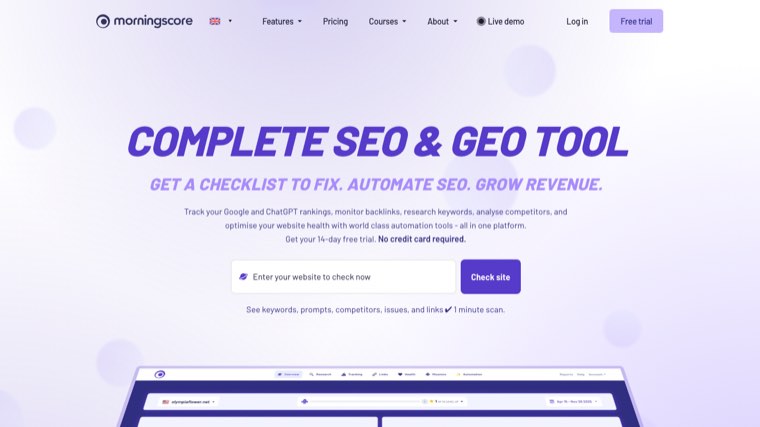
A simplified SEO platform with rank tracking, built around making progress legible to people who are not SEOs.
Genuinely useful when the person reading the report is a business owner rather than a specialist.
Honest limit: the simplification cuts depth. Not enough for an agency managing complex accounts.
8. SEOptimer, the cheapest with white label
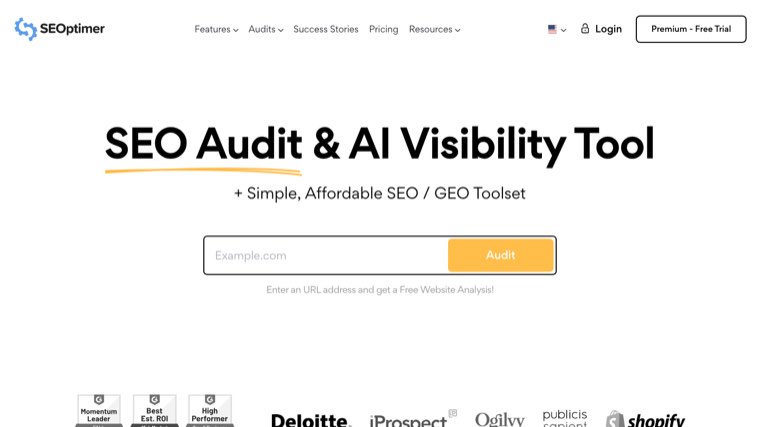
$29, $39 and $59 a month. Rank tracking alongside white label audits and an embeddable audit form for your own site.
At $29 with branding included it is the lowest-cost way to put a branded ranking report in front of a client.
Honest limit: shallower than the dedicated trackers, and the audits are surface level.
9. BrightLocal, rank tracking for local clients
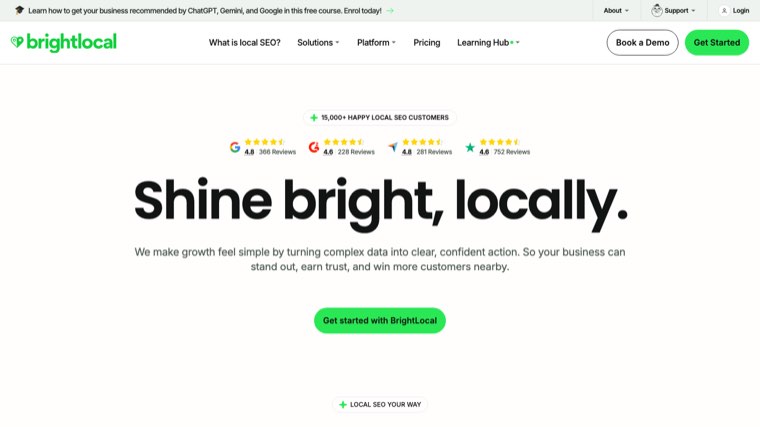
$31 a month billed annually, then $40 and $49. Local rank tracking built around map pack positions, alongside citations, review monitoring and Google Business Profile audits.
For local businesses the map pack matters more than the blue links, and general trackers report it poorly.
Honest limit: local only. You need a second tool for national keyword tracking.
10. WebCEO, tracking you can resell
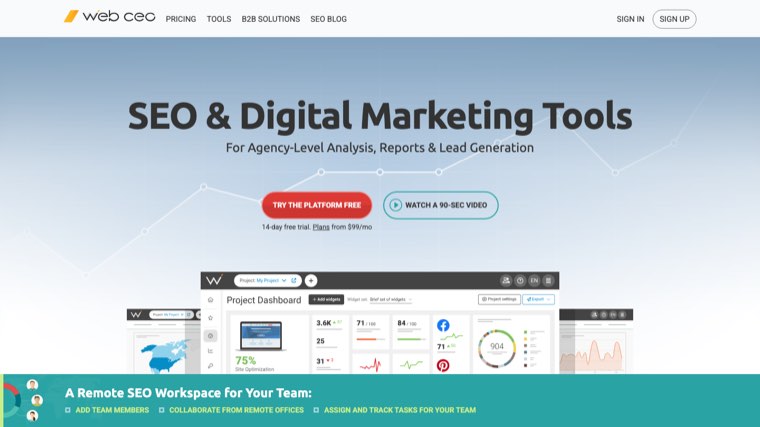
Rank tracking inside the one platform on this list built to be resold as your own software, on your domain with your pricing.
If you want clients logging into your tool rather than a branded version of someone else's, this is the option.
Honest limit: the interface shows its age, and full resale means you own the support burden.
11. AgencyAnalytics, tracking where the client already looks
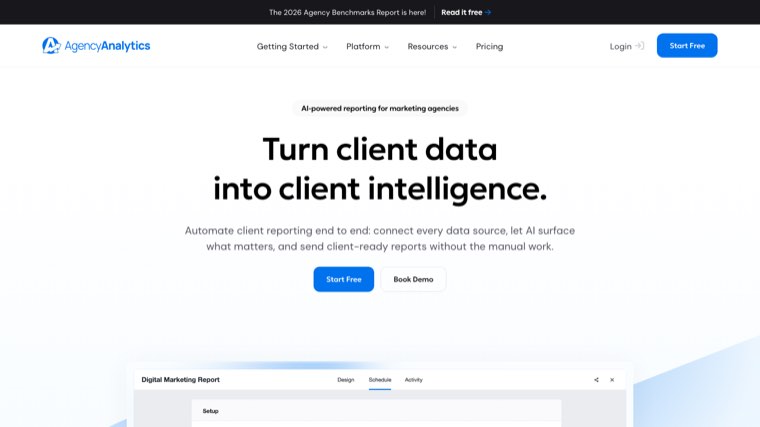
Rank tracking built into a multi-client reporting platform with a large integration library and a client login on your own domain.
The argument is consolidation: the rankings appear in the same dashboard as everything else the client cares about.
Honest limit: priced per client, so it scales exactly with growth. Tracking depth is behind the dedicated tools.
12. Moz, the recognisable name
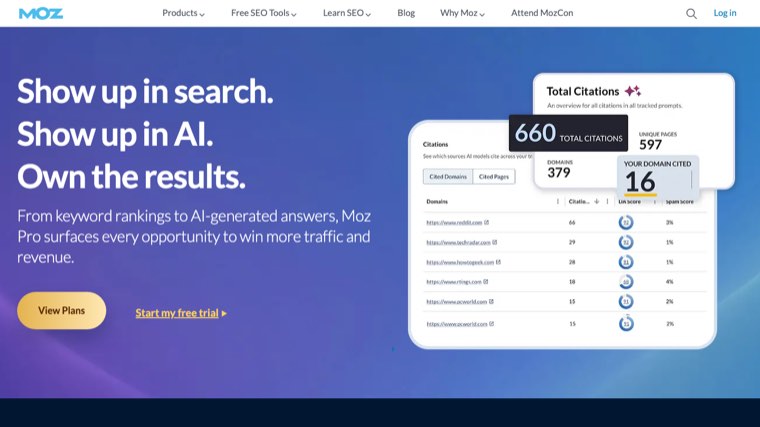
Rank tracking inside the Moz platform, alongside Domain Authority, which remains the metric non-SEOs recognise.
That recognition has real value when you are explaining progress to a client who has heard of DA and nothing else.
Honest limit: default tracking cadence is less frequent than the dedicated tools, and the platform is priced above what the tracking alone justifies.
13. Semrush, tracking as part of everything
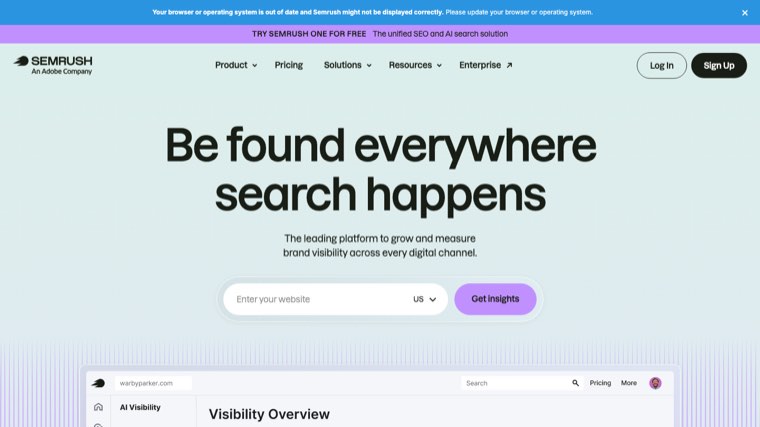
Position tracking with daily updates, device and location targeting, competitor comparison and cannibalisation reporting, inside the broadest SEO platform available.
If you already pay for Semrush, buying a separate tracker is usually money wasted.
Honest limit: keyword allowances on lower plans are restrictive for agencies, and white labelling requires the paid Agency Growth Kit.
14. Ahrefs, tracking on top of the best index
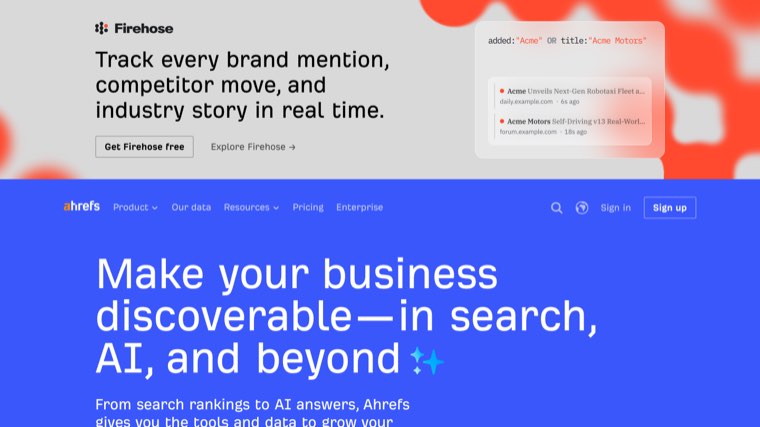
Rank Tracker with configurable update frequency, device and location splits, and competitor tracking, sitting on the largest backlink and keyword index in the industry.
Worth using because you are already in it, rather than because the tracker is the best available.
Honest limit: no white label reporting, and credit limits on lower plans bite at agency scale.
Where Distribb fits, which is not here
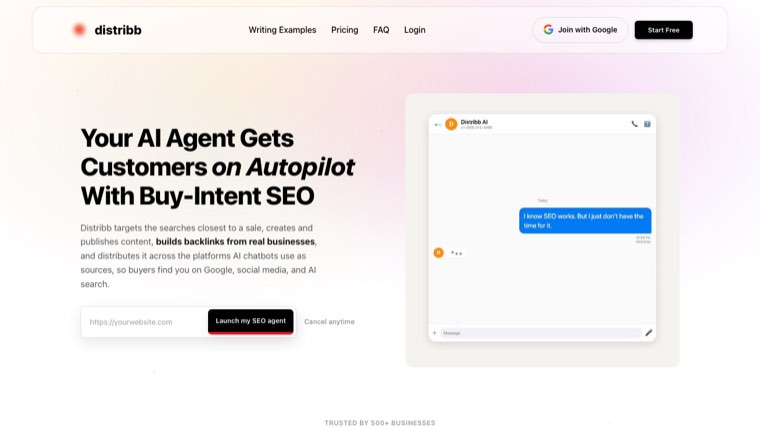
We build Distribb and it is not a rank tracker. It does not track positions, it has no keyword position database, and putting it at the top of this list would be dishonest.
It reads Search Console data to decide what to write and to show what published pages are doing, and that is the extent of its overlap with anything above. If you need to know where you rank tomorrow, buy one of the fourteen tools on this page.
What it does instead is the work that changes the rankings you are tracking: keyword research, articles written and published to your site, internal links, and a backlink exchange across a network of real businesses. Tracking tells you the number. Nothing on this page moves it.
What rank tracking will and will not tell you
Positions are personalised and location-dependent. Two people in the same city can see different results. Every tool here reports an approximation of a national or local average, and treating it as an exact truth causes arguments.
Daily tracking encourages daily reacting. Rankings fluctuate for reasons that have nothing to do with you. Weekly trends are more useful than daily positions for almost everyone.
Impressions matter more than positions. A page at position 8 for a term nobody searches is worth less than position 15 on a term with volume, which is why Search Console data belongs next to any tracker, as our domain authority checker comparison also argues about vanity metrics.
Track the right keywords. Most keyword lists are full of terms the business does not sell against. Twenty keywords tied to revenue beat five hundred tied to nothing.
Nothing here improves anything. Tracking is measurement. Budget separately for the work, and see our white label rank tracker comparison if the reports go to clients.
FAQ
What is the most accurate rank tracker? AccuRanker and Nightwatch have the strongest reputations for accuracy, and AccuRanker's on-demand refresh means you can verify a position immediately rather than waiting for a scheduled crawl.
Is there a free rank tracker? Google Search Console shows your average position for every query you appear for, free, and it is real data rather than an estimate. It is not a substitute for tracking specific keywords daily, and it is the honest starting point. If you would rather pull positions into your own tools, our guide to rank tracker APIs covers the Search Console API and the paid options.
How often should I check rankings? Weekly for most sites. Daily tracking is worth paying for when you are actively changing pages or when a client watches positions closely.
Why does my tool show a different position than what I see? Personalisation, location, device, search history and data centre all vary. Your own logged-in search is the least reliable reference point available.
How many keywords should I track? Enough to cover your money pages and their main variants, usually 50 to 300 for a single business. Tracking thousands mostly increases the bill.
Do I need a dedicated tracker if I have Semrush or Ahrefs? Usually not. Buy a dedicated tracker when you need on-demand refresh, postcode-level local data, or white label reporting the platform does not include.
What matters more, rankings or traffic? Traffic, then conversions. Rankings are a leading indicator, and a useful one, but a report full of green arrows and no extra revenue is a report about nothing.
Where to start
Connect Search Console first, then pick a tracker matching your client type. Wincher or SEOptimer if the budget is tight, Nightwatch or SE Ranking for most agencies, BrightLocal if the clients are local, AccuRanker if refresh speed is genuinely worth $224 a month to you.
Once you can see the numbers, the constraint becomes moving them. Distribb runs the keyword research, writes and publishes the content and earns contextual backlinks, which is the work the tracker will eventually show. Seven-day free trial.
Positions are one panel of a reporting stack rather than the whole thing. SEO performance dashboards covers the live view, automated SEO reports covers the monthly one, and keyword ranking reports covers what to put in front of a client. If you are checking what the analytics side costs, Google Analytics pricing answers it, and a sample SEO audit report shows the one-off version.