

Electrician SEO comes down to one job: appearing in the map pack when someone in your area searches "electrician near me" at eight in the evening with no power in half the house. You do not need a full SEO education for that.
That is a narrower problem than general SEO, and it has a known answer. This guide is ordered by impact, so if you only get through the first two sections you will have done the part that matters most.
Where local search results actually come from
Google shows two things for a local query. The map pack sits at the top with three businesses, and the ordinary blue links sit below it.
Most calls come from the map pack, and the map pack is driven almost entirely by your Google Business Profile, your reviews and how close you are to the searcher. Your website matters for the links below it and supports the profile above it, but the profile is where the phone calls start.
That ordering is why so much SEO advice fails trades businesses. Advice written for a software company puts the website first, and for you it is second.
1. Google Business Profile, the part that produces calls
Claim and verify the profile before anything else. Then fill in every field, because Google rewards completeness and most competitors leave half of it blank.
The specifics that matter for an electrician:
- Primary category set to Electrician, with secondary categories for what you actually do
- Service area set to the towns and postcodes you cover, not a radius you cannot service
- Hours that are accurate, including emergency availability, because wrong hours lose the after hours call
- Real photos of your van, your team and finished work, not stock images
- Services listed individually, so fuse box replacement and EV charger installation each appear
- Posts published regularly, which keeps the profile active
If you do nothing else this month, do this. A complete profile with photos and current hours routinely outranks a better website with a neglected one.
2. Reviews, the second half of the map pack
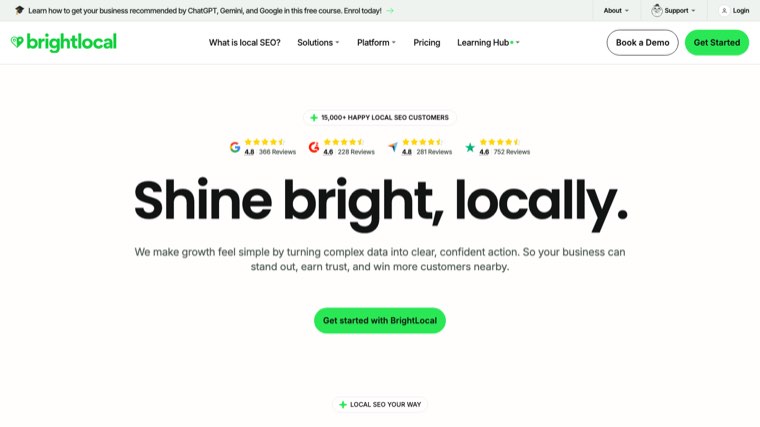
Review count, rating and recency all feed local ranking, and recency is the one people forget. Forty reviews from three years ago performs worse than fifteen from the last six months.
Ask every satisfied customer, on the day, with a direct link to the review form. The ask converts far better in person before you leave than in an email two days later.
Reply to all of them, including the negative ones. A calm, specific reply to a bad review reads better to the next customer than no reply at all, and Google treats an actively managed profile as a live business.
3. Service and location pages on your site
One page saying "we serve the whole county" ranks for nothing. You need a page per service and, where you genuinely work, a page per town. Working out which service and town combinations are worth a page is what local keyword research is for.
Make each one real. A page about EV charger installation in a named town should cover local pricing, the typical property type there, and jobs you have done nearby. Ten thin pages built from a template with the town name swapped in is a pattern Google has recognised and discounted for years.
Be realistic about scope. Five strong pages for your five biggest services and your three main towns beat forty empty ones, and you can write them over a few weekends.
4. Citations and consistency
A citation is your business name, address and phone number listed somewhere else, such as Yell, Checkatrade, Yelp or the trade directories. The listings matter less than the consistency.
Pick one exact format for your name, address and phone number and use it everywhere, down to whether you write Street or St. Conflicting details across directories make Google less confident about your business, and confidence is what the map pack rewards.
Get the big ones right first, then your trade bodies and any local chamber of commerce. Our guide to citation building covers the process in more detail.
5. Local links
Links from local sources carry weight for local search that national links do not. Sponsor a youth team, join the chamber of commerce, get listed by suppliers whose products you install, and ask the builders and letting agents you already work with for a mention.
These are relationships you probably already have. A link from a local builder's site is worth more for this purpose than a link from a national marketing blog, and it costs a phone call rather than a campaign.
6. Measure the right thing
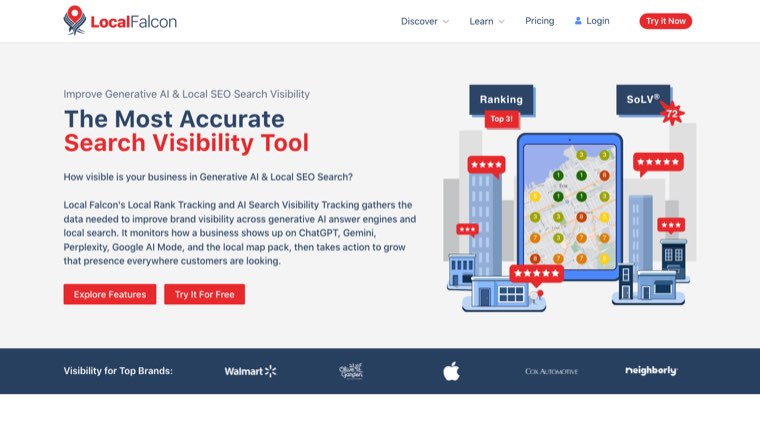
Rankings vary by where the searcher stands, so a single position number means little in local search. Grid tools such as Local Falcon show where you rank across your service area, which is the honest picture.
Track calls and booked jobs rather than traffic. An electrician with 200 monthly visitors and 15 calls is doing better than one with 2,000 visitors and 3, and only one of those numbers pays for a van.
Google Business Profile insights show calls, direction requests and website clicks directly from the profile. That is the closest thing to a revenue report local SEO gives you for free.
Common mistakes
- Keyword stuffing the business name, which is against Google's guidelines and risks suspension
- Using a virtual office or a home address you do not want published, when a service area business can hide the address
- Listing towns you cannot actually reach within a reasonable time
- Buying reviews, which Google detects and which loses the profile
- Rebuilding the website before fixing the profile, which is the most common order and the wrong one
Where tools help and where they do not
Most of the list above is manual work that no software does for you. Nobody automates asking a customer for a review at the end of a job.
Where tools help is consistency and volume: keeping the profile active, publishing service and location pages steadily, and monitoring where you rank across the area. Distribb's local SEO product publishes Google Business Profile posts on a schedule and drafts a reply to every review that arrives, and it writes and publishes the service and location pages on your site.
To be straight about the limits, it does not generate reviews and it does not clean up your citations across directories. Those two remain your job or an agency's, and anyone selling you generated reviews is selling you a suspended profile.
Related reading: our list of AI SEO tools for plumbers covers the same ground for a neighbouring trade, and the guide to AI powered local SEO goes deeper on the tooling.
A realistic first 30 days
Week one, claim and complete the Google Business Profile, every field, with real photos. Week two, ask your last twenty customers for a review and reply to every review you already have.
Week three, write your three biggest service pages properly. Week four, fix your name, address and phone number across the main directories and ask two local contacts for a link.
That sequence costs nothing but time and covers most of what moves a trades business in local search. Everything beyond it is refinement.