
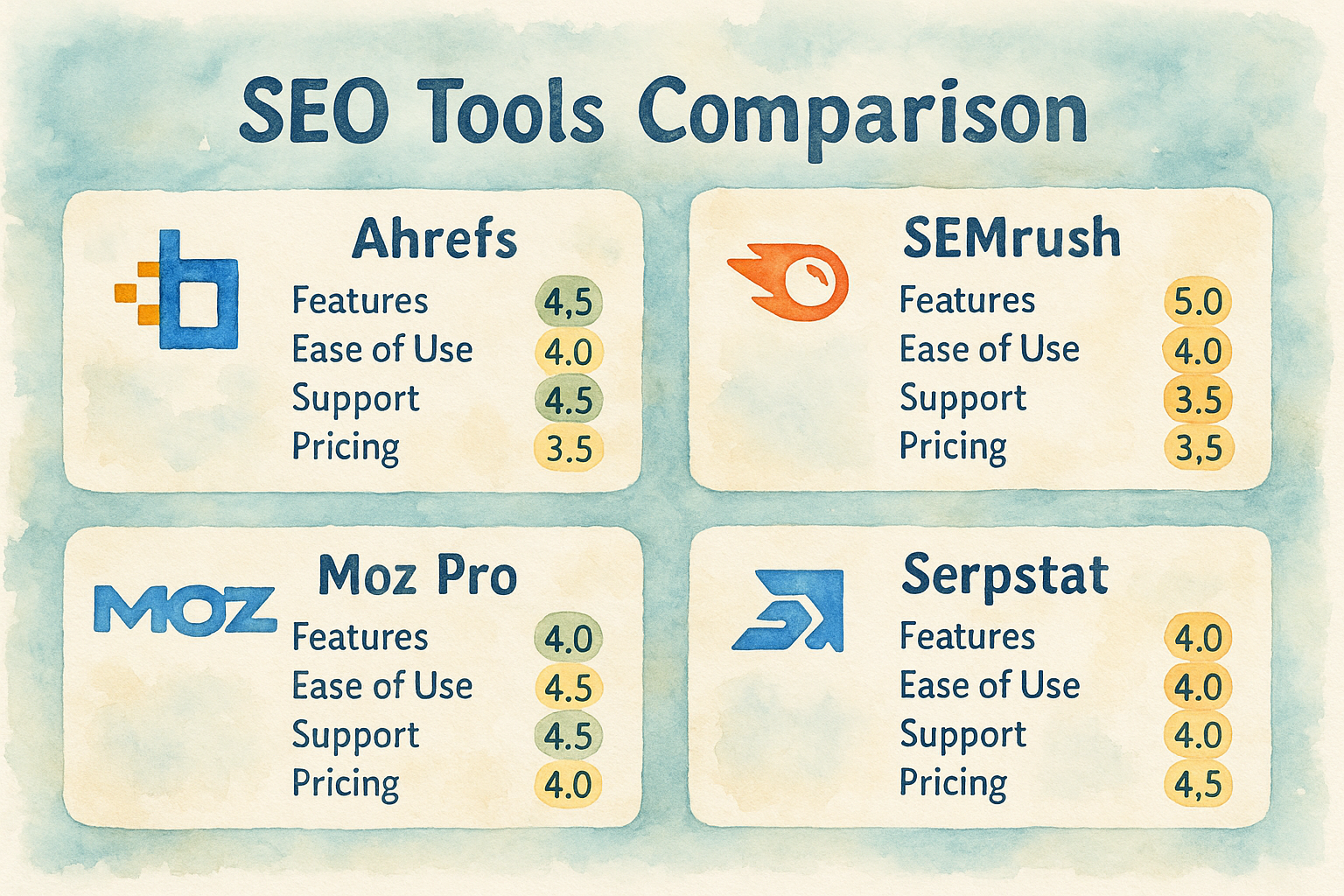
Nothing on this list does everything Semrush does. That is the whole point, because most people paying for Semrush use perhaps a fifth of it and the other four fifths is what makes the invoice hurt.
The way to cut the bill without losing capability is to work out which part you actually use, then buy a focused tool for that job. This list of Semrush alternatives is grouped by what each one replaces.
How we tested
Every tool below was loaded on its live site in August 2026 and screenshotted at 1440 by 900. Anything that failed to resolve or landed on a parked page was cut before publication.
We have not run a controlled data accuracy benchmark across all twelve. Where a tool's data is known to be thinner than Semrush's, that is stated in its entry rather than glossed over.
First, work out what you use Semrush for
| If you mainly use it for | Look at |
|---|---|
| Keyword research | Mangools, KeySearch, LowFruits |
| Rank tracking | Wincher, SE Ranking, Morningscore |
| Competitor and paid research | SpyFu, Serpstat |
| Site audits | Seobility, Sitechecker |
| Quick volume checks while browsing | Keywords Everywhere |
If you tick four or more of those rows, keep Semrush. The bundle is genuinely cheaper than four subscriptions, and switching would cost you more than it saves. If what you actually need is data inside your own scripts rather than another dashboard, price the cheaper API alternatives to Ahrefs instead, because per-row billing works nothing like a seat.
1. Mangools
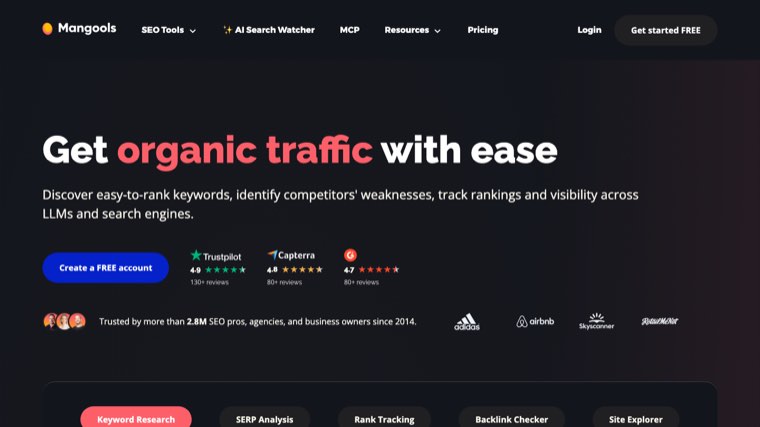
The most pleasant keyword research experience at the low end, and the closest thing to a straight swap for the part of Semrush most people actually open. KWFinder, SERPChecker and SERPWatcher cover research, SERP analysis and rank tracking between them.
The database is smaller than Semrush's, which shows on long tail terms and outside English. For most small sites researching commercial keywords, that gap does not change any decision you would make.
Start here: Mangools.
2. Ubersuggest
The cheapest credible option, and the only one here that sells a lifetime licence instead of a subscription. It covers keyword ideas, basic competitor data and site audits in one interface.
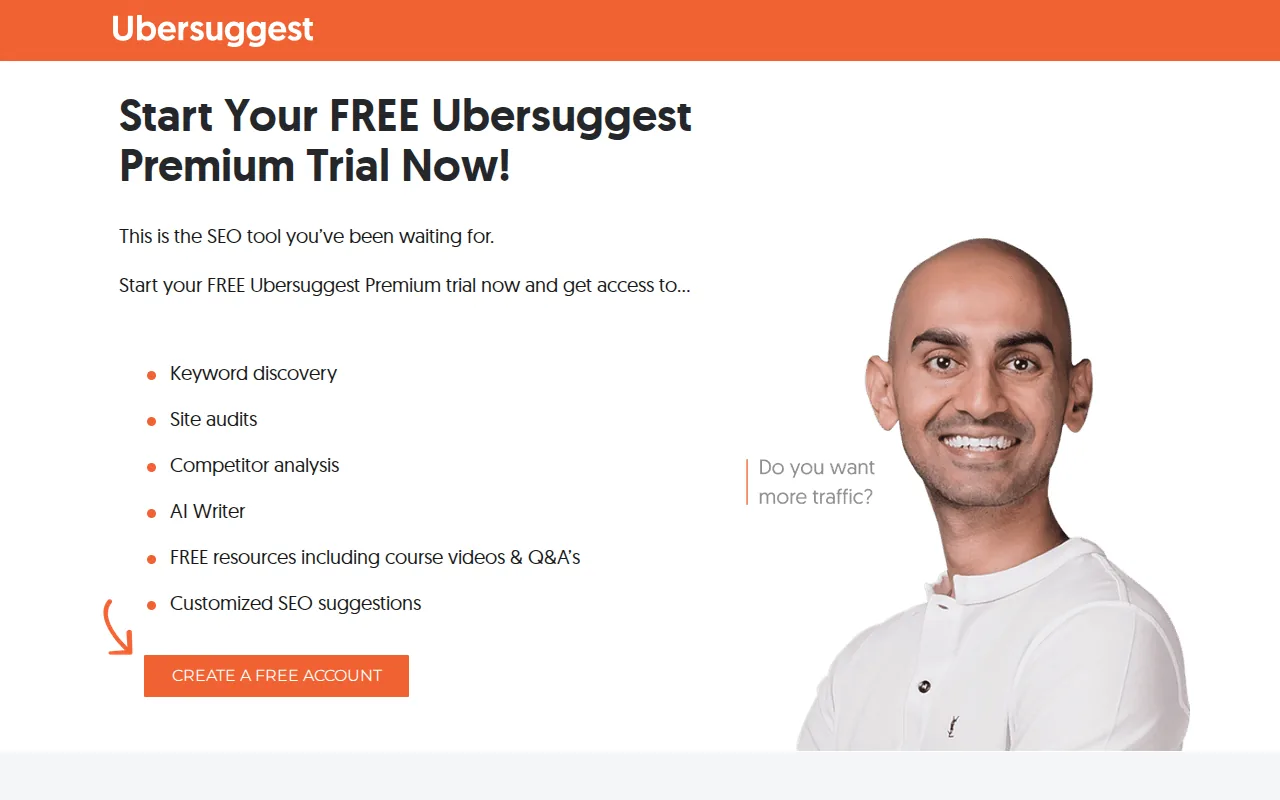
Treat the volume and difficulty figures as directional. What it does well is produce a first list of terms and a rough sense of difficulty, which is enough for a site with no research process at all.
Start here: Ubersuggest.
3. SE Ranking
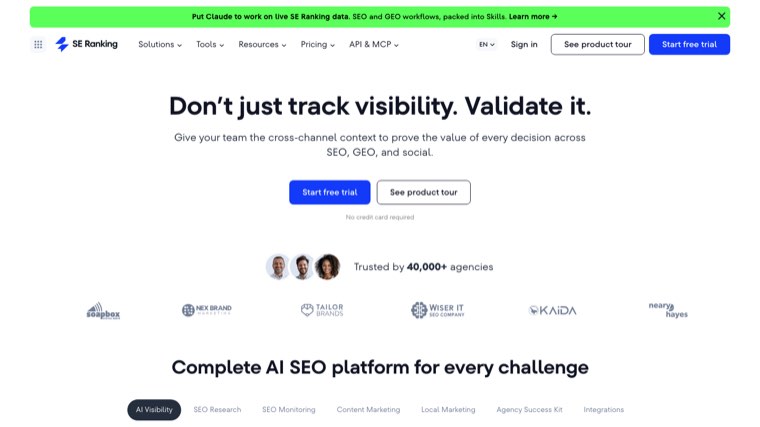
The closest full platform alternative on features, covering research, audits, rank tracking and reporting at a noticeably lower price than Semrush. Its local rank tracking by postcode is better than the market leaders for service area businesses.
Two things to weigh. Its keyword database is smaller, and it competes with us in parts of the market, so treat our summary as a starting point and trial it yourself rather than taking our word.
4. Serpstat

A genuine all in one at a fraction of Semrush's price, with keyword research, competitor analysis, site audit and rank tracking under one login. Strongest coverage in Eastern European and emerging markets.
The interface is dated and the data thins out on smaller markets. It is the best value per feature on this page if you can live with the presentation.
5. SpyFu
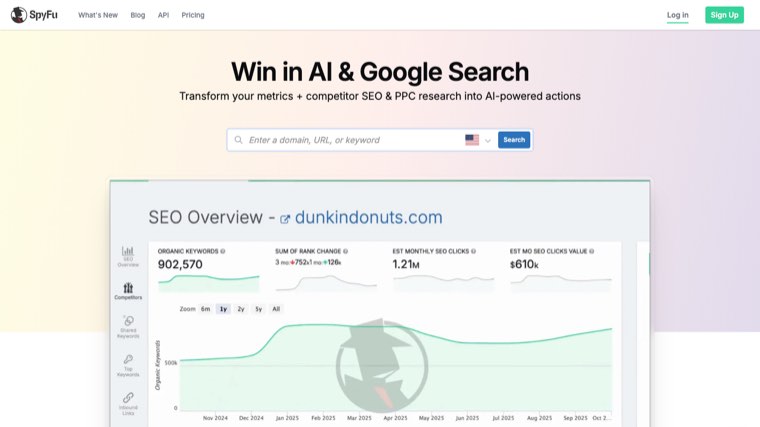
Built for competitor research, particularly paid search history, which it keeps going back years. If you use Semrush mainly to see what competitors bid on and rank for, this replaces that specific job cheaply.
Its own keyword research and audit features are weak. This is a single purpose tool bought for one screen.
6. KeySearch
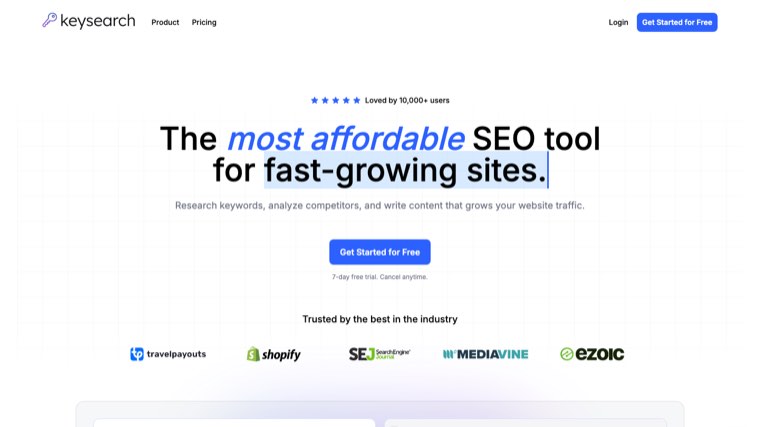
A keyword research tool aimed at bloggers and affiliates, with a difficulty score that is unusually well calibrated for low competition terms. It pulls YouTube and Amazon suggestions alongside Google.
There is no serious audit or backlink capability. Buy it if finding winnable keywords is the job.
7. Morningscore
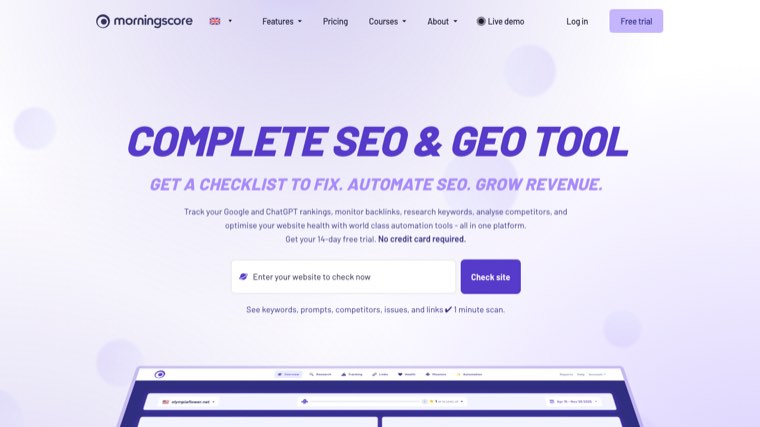
The most approachable platform here, built around a single health score and a task list rather than a wall of tables. Small business owners who bounce off Semrush's interface tend to stay with this one.
The simplification is also its limit. If you want to interrogate the data yourself, you will find it shallow.
8. Wincher
Rank tracking done properly and cheaply, with daily updates and clean reporting. If the only Semrush screen you open is the position tracker, this is a large saving for no real loss.
It does rank tracking and very little else. That focus is the reason it is inexpensive.
9. LowFruits
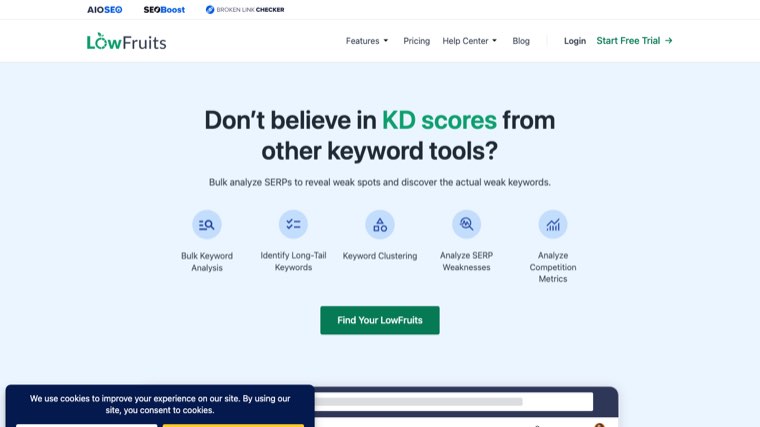
Built for one job, finding keywords where weak sites already rank, which is the most useful signal for a new site. It flags SERPs containing forums and low authority pages so you can see where there is an opening.
It works on credits rather than a subscription, which suits occasional research. It is not a platform and does not pretend to be.
10. Keywords Everywhere
A browser extension that shows volume and competition data directly in Google results as you browse. For quick checks it is faster than opening any platform.
It is a credit based add on rather than a replacement for a research tool. Most people who use it also own something from higher up this list.
11. Seobility
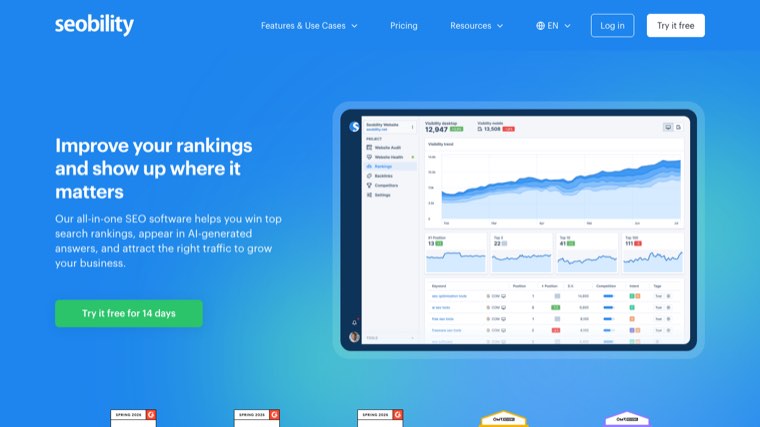
A technical audit tool with a usable free tier that crawls your site and reports errors in plain language. It covers the site health part of Semrush at a fraction of the price.
Keyword and competitor data are minimal. Pair it with a research tool rather than expecting both.
12. Sitechecker
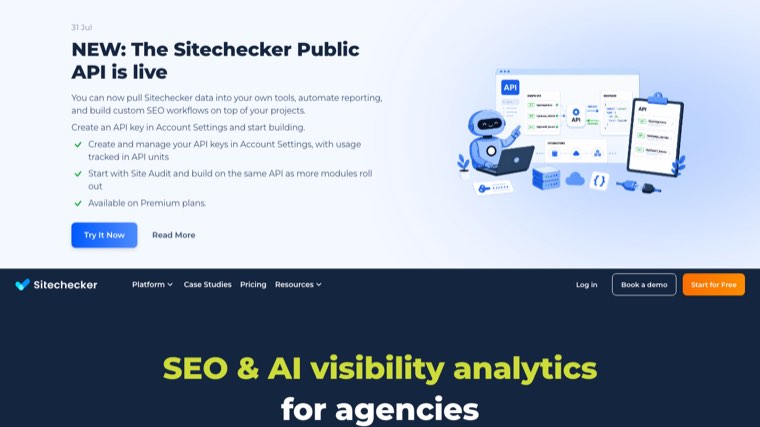
Site auditing and monitoring with clear change tracking, so you can see what broke and when. The onboarding is friendlier than most technical tools.
Its crawler is slower on large sites and the research features are thin. Buy it for monitoring rather than research.
What none of these replace
Every tool on this page produces information about search. None of them writes or publishes anything, and neither does Semrush beyond its writing assistant.
That matters if you are honest about why you bought Semrush in the first place. Plenty of people pay for research they never act on, and cancelling in favour of a cheaper research tool changes the invoice without changing the output. If nothing gets published either way, the cheaper subscription is still money spent on the wrong problem. Distribb sits in a different category, handling research through to publishing, and it is not a rank tracker or a site auditor, so it is a complement to something on this list rather than a substitute for it.
How to actually cut the bill
Open your Semrush account and look at what you used in the last 90 days. Most people find two or three features, which usually maps to one tool on this page and a saving of most of the subscription.
Check billing frequency before switching, since annual pricing on these tools is often 30 to 40 percent below monthly. And keep Google Search Console open regardless, because it is free and more accurate about your own site than any paid estimate.
Related reading: our look at how accurate Semrush actually is is worth reading before you rely on any of these numbers, and the automated SEO software overview covers the tools that act on the research rather than producing more of it.
The bottom line
For most people leaving Semrush, Mangools or Serpstat covers the research and Wincher covers the tracking, at a combined cost well under the platform. For a blogger, KeySearch and LowFruits together are a better fit than either.
Keep Semrush only if you genuinely use four or more of its modules. If you use one, you are paying for a bundle to get a single screen.