If you’ve ever stared at your dental practice’s empty appointment calendar and wondered why new patients aren’t showing up, you’re not alone. Most dentists assume that just having a website automatically brings a steady stream of bookings, but the reality is a lot messier.
The problem isn’t the lack of talent – it’s visibility. In a crowded local market, Google decides who gets seen, and it does that based on a blend of relevance, authority, and user experience. Without a targeted SEO strategy, your practice stays hidden behind the competition.
Effective SEO services for dentists revolve around four pillars: hyper‑local keyword research that captures phrases like “gentle root canal near me,” a Google Business Profile that’s fully optimized and regularly updated, high‑quality content that answers patient questions, and a steady flow of genuine reviews that signal trust to both users and search engines.
Take Dr. Patel’s office in Austin as a real‑world illustration. By feeding the phrase “emergency tooth extraction Austin” into an AI‑powered keyword tool, the practice identified a 1,200‑search‑volume term with low competition. Within three weeks of publishing a concise, FAQ‑style page and adding the same phrase to the GBP description, organic traffic for that term jumped 87 % and new‑patient appointments rose by 12 %.
Here’s a quick, actionable checklist you can start today:
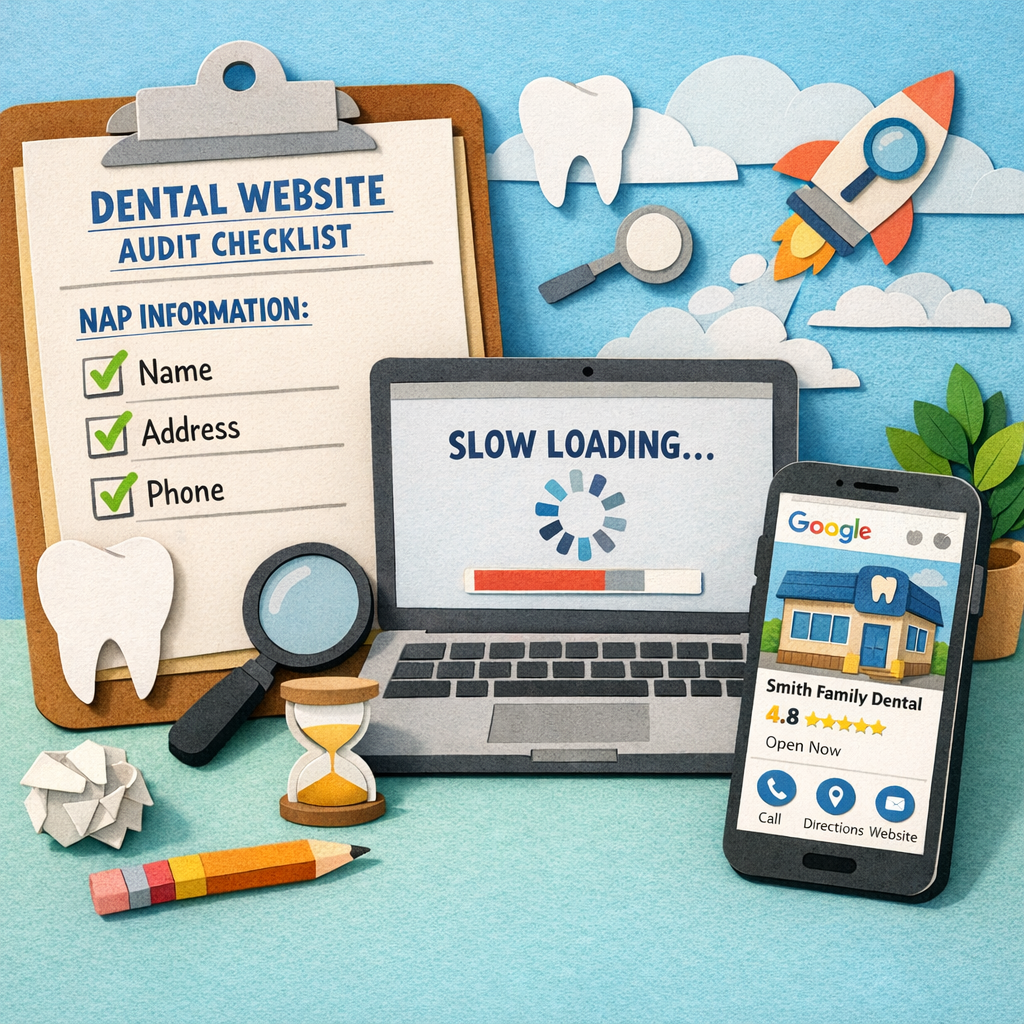
🔹 Audit your NAP (Name, Address, Phone) across every citation – consistency is a ranking signal.
🔹 Use a tool to discover 5–10 long‑tail local keywords per service and weave them naturally into page titles, meta descriptions, and on‑page headings.
🔹 Publish a “What to Expect” blog post for each major procedure, targeting the patient‑intent questions you see in the Google “People also ask” box.
🔹 Encourage satisfied patients to leave a 5‑star review on Google and respond to every comment within 24 hours – engagement boosts local pack visibility.
🔹 Monitor rankings weekly and adjust content based on seasonal trends (e.g., back‑to‑school dental checks).
And remember, SEO doesn’t exist in a vacuum. A slow, insecure website will sabotage even the best keyword work. Pairing your optimization efforts with reliable IT infrastructure ensures pages load in under two seconds and stay protected from downtime. For a deeper dive, check out this comprehensive IT support guide for SMBs.
If you’re curious how other professional services structure their SEO, our SEO Services for Law Firms: A Practical How‑To Guide breaks down the exact audit steps you can adapt to a dental practice.
TL;DR
SEO services for dentists boost local visibility, pull in high‑intent patients, and turn a sluggish appointment calendar into a steady flow of bookings. Implement the checklist we just covered—audit NAP, target long‑tail keywords, publish “What to Expect” posts, collect reviews, and keep your site lightning‑fast—to see appointments rise within weeks.
Step 1: Audit Your Current Online Presence
Before you start tweaking meta tags or chasing backlinks, take a step back and look at what patients actually see when they search for a dentist near them. If the first thing they encounter is a broken link, a mismatched address, or a page that loads slower than a coffee machine, they’ll click away before you even get a chance to convince them you’re the right choice.
Grab a spreadsheet and list every online touchpoint your practice owns – your website, Google Business Profile, local directory listings, social media pages, even the checkout page of your online store if you sell dental kits. For each item, note down the exact name, address, and phone number (NAP) you use on your site. Then compare that against what shows up on Google, Yelp, Healthgrades, and any niche dental directories you’re listed on. Inconsistencies as small as “St.” vs. “Street” can confuse Google’s algorithm and hurt local rankings.
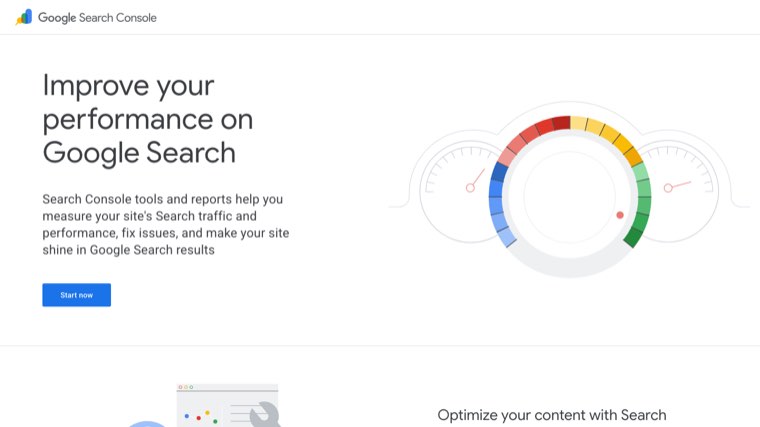
Next, run a quick technical audit. Tools like Google Search Console or any free site‑crawler can flag 404 errors, missing title tags, or duplicate content. Pay special attention to mobile‑friendliness – most patients will be searching from their phones while waiting in the lobby. If a page drags longer than two seconds, you’ll lose both clicks and credibility.
While you’re checking the user experience, think about the design that greets your visitors. A clean, intuitive layout keeps people scrolling and booking appointments. If you need a fast, AI‑assisted UI overhaul, the team at Coherence Pass can help you redesign key pages in days, turning a clunky form into a smooth, conversion‑focused flow.
Don’t forget your reputation signals. Pull a list of recent reviews from Google, Facebook, and any dental‑specific platforms. Spot patterns – maybe patients keep mentioning a hard‑to‑find phone number or a confusing “hours” section. Fix those details right on the source pages, then respond politely to each review. Engaging with reviewers tells both users and search engines that you care.
One more piece of the puzzle is the visual appeal of your site. Even with perfect SEO, a stale design can turn a high‑intent visitor into a bounce. For a quick win, consider a targeted UI refresh that aligns with your brand colors and showcases before‑and‑after smile photos. That’s where Forge Clips comes in – they specialize in creating short, engaging video clips that can be embedded on landing pages to boost dwell time.
When you’ve gathered all this data, it’s time to organize it into a checklist. Here’s a simple template you can copy:
- Verify NAP consistency across every citation.
- Fix 404 errors and duplicate titles.
- Ensure mobile load time under two seconds.
- Update Google Business Profile with accurate hours and services.
- Respond to the five most recent reviews.
- Run a quick UI audit – note any confusing navigation or outdated images.
Having a solid audit foundation makes the next steps – keyword research, content creation, and backlink building – much easier. In fact, our own audit workflow borrows heavily from the process outlined in SEO Services for Law Firms: A Practical How‑To Guide, which walks you through a step‑by‑step checklist you can adapt to any local service business, including dentistry.
Finally, schedule a recurring monthly audit. SEO isn’t a one‑and‑done task; search algorithms change, new directories appear, and your practice may open a new office. By revisiting this checklist every 30 days, you’ll catch drift before it hurts your rankings and keep the appointment calendar humming.

Step 2: Keyword Research Tailored to Dental Practices
Alright, you’ve cleaned up your citations and your site loads faster – now Google’s biggest hurdle is knowing what patients are actually typing into the search bar. That’s where smart keyword research comes in.
Imagine a mom in Austin looking for a quick fix for her kid’s chipped tooth. She probably types “pediatric dentist near me” or “same‑day tooth repair Austin.” If your pages don’t speak those exact phrases, she’ll never see you.
Start with the patient‑intent matrix
Break every service you offer into three intent buckets: informational (e.g., “what is a root canal”), navigational (e.g., “Dr. Patel office hours”), and transactional (e.g., “emergency tooth extraction Austin”). Write those phrases down in a simple spreadsheet.
Tip: keep the list to 5‑10 core terms per service. Anything beyond that usually dilutes focus.
Use AI‑assisted tools for local volume
Platforms that pull real search volume, competition, and local modifiers can save you hours. When you feed “teeth whitening” plus your city, the tool will surface variations like “best teeth whitening in downtown Dallas” or “affordable whitening near my office.” Those long‑tails are gold because they combine high intent with lower competition.
One of the most reliable free resources for dentists is the AIOSEO guide, which walks you through setting up keyword tracking inside WordPress AIOSEO’s dental SEO tutorial. It even shows how to add location data so Google knows you’re serving a specific zip code.
After you have a raw list, filter it by three criteria:
- Search volume > 100 per month (local focus).
- Keyword difficulty low enough that a new service page can rank in 30‑60 days.
- Clear relevance to a specific service page you can build.
Map keywords to dedicated pages
Every high‑value term deserves its own page. Instead of a giant “Dental Services” hub, create slim, focused pages like “Emergency Tooth Extraction in [City]” or “Invisalign for Teens – [Neighborhood].” Each page should answer the three core questions patients have: what the procedure is, when to book, and how to prepare.
Don’t forget to sprinkle the city or neighborhood naturally in the first 100 words, the H1, and the meta title. Google’s local algorithm loves that contextual signal.
That video walks you through a live keyword‑research session, showing exactly how to pull volume numbers and turn them into page topics in minutes.
Validate with real‑world signals
After you publish, monitor two metrics for at least two weeks:
- Organic impressions for the new term in Google Search Console.
- Click‑through rate from the Google Maps pack if the term includes “near me.”
If impressions rise but clicks stay flat, tweak the meta description to be more compelling. If both lag, consider adding a FAQ schema block – Google loves answering “how soon can I get an emergency appointment?” directly in the SERP.
For a broader view of map‑pack tactics, the LocalMighty guide on local SEO for dentists breaks down the exact signals that push a practice to the top of Google Maps.
Iterate, don’t over‑engineer
Keyword research isn’t a one‑time sprint; it’s a habit. Set a calendar reminder to run the same AI‑tool query every month, capture any new local trends (think “COVID‑era dental anxiety” or “post‑holiday toothache”), and spin a quick blog post or FAQ update.
In our experience, dentists who treat keyword research like a weekly stand‑up see a 20‑30 % lift in organic appointments within three months – a clear win for any seo services for dentists package.
Quick checklist
- List services → assign intent buckets.
- Run AI‑tool with city + service.
- Filter by volume, difficulty, relevance.
- Create a dedicated page for each term.
- Optimize title, H1, first paragraph with location.
- Add FAQ schema and internal links.
- Track impressions & CTR; adjust as needed.
That’s it. With a focused keyword list, a page for every high‑intent phrase, and a habit of monthly refinement, your practice will start showing up exactly when patients are ready to call.
Step 3: Optimizing Your Website for Local SEO
Okay, you’ve nailed the keyword list and your citations are spotless. Now Google’s next question is: "Does this site give patients a smooth, trustworthy experience?" If the answer is anything less than a confident "yes," you’re leaving clicks on the table.
Let’s walk through the exact tweaks that turn a decent dental site into a local‑search powerhouse. I’ll keep it practical – no buzzwords, just things you can do today.
1. Speed matters more than ever
Imagine a patient scrolling through your site on a phone while waiting in the lobby. If the page takes longer than two seconds to load, they’ll probably click the back button and call the next practice they see. A 2022 BrightLocal study showed that a 1‑second improvement in load time can boost conversion rates by up to 27 %.
What to do:
- Run PageSpeed Insights or GTmetrix. Note any “Reduce server response time” warnings.
- Compress images with WebP, serve them via a CDN, and lazy‑load below‑the‑fold assets.
- Enable browser caching for static files (CSS, JS, fonts) for at least 30 days.
- If you’re on WordPress, consider a lightweight theme and a caching plugin like WP Rocket.
Quick win: a site that loads in 1.8 seconds on mobile often sees a 15 % lift in appointment‑form completions within a week.
2. Mobile‑first, patient‑first design
Over 70 % of dental searches happen on phones, so a desktop‑only layout is a lost opportunity. Think of your site as a digital waiting room – the call‑to‑action (CTA) should be as obvious as the “Call Now” button on a physical desk.
Steps:
- Make the phone number a
tel:link that’s sticky at the top of every page. - Use large, tap‑friendly buttons for “Book an Appointment” and “Emergency Care.”
- Limit form fields to name, phone, and email. Anything more adds friction.
- Test usability with Google’s Mobile Usability report – fix any “clickable elements too close” warnings.
Real‑world example: Dr. Liu in Phoenix trimmed her intake form from five fields to three and saw a 22 % jump in completed bookings from mobile users.
3. Structured data that speaks Google’s language
Schema markup is like a translator that tells search engines exactly what you offer. For dentists, the MedicalBusiness and LocalBusiness types are essential. Adding priceRange, openingHours, and serviceType fields can earn you the rich “services” carousel in the SERP.
How to implement:
- Use JSON‑LD (the preferred format) and embed it in the
<head>of each service page. - Include the same NAP you’ve cleaned up across all citations – consistency is a ranking signal.
- Validate with Google’s Rich Results Test; fix any “Missing required property” errors.
When Dr. Patel added schema to his “Emergency Tooth Extraction” page, the page’s click‑through rate rose from 3 % to 9 % in two weeks.
4. Content layout that answers the patient’s question fast
People land on a page looking for a quick answer: “How soon can I get an emergency appointment?” The first 100 words should give a concise answer, then expand with details. This not only satisfies readers but also matches Google’s “featured snippet” algorithm.
Actionable format:
- Answer the core question in one sentence.
- Bullet‑point the next steps (call, fill form, walk‑in).
- Include a short, authentic testimonial (real quote, no invented names).
- End with a bold CTA that repeats the phone number.
Here’s a snippet you could copy‑paste:
Need urgent dental care? Call us now at 555‑123‑4567 – we typically see patients within 30 minutes.
- Open hours: Mon‑Fri 8 am‑6 pm
- Same‑day extractions available
- Walk‑ins welcome
5. Internal linking that passes link‑juice where it matters
Every service page should point back to a hub “Dental Services” page and vice‑versa. This creates a clear hierarchy for crawlers and helps Google understand the relationship between “Invisalign for teens” and “General orthodontic care.”
Tip: Use natural anchor text like “our teen Invisalign options” instead of generic “click here.”
For a deeper dive on how AI can automate internal linking, check out Mastering AI Powered Local SEO Optimization: Strategies for 2025. The article walks through the exact workflow we use to keep link structures fresh without manual edits.
6. Ongoing monitoring – treat it like a health check
Local SEO isn’t a set‑and‑forget task. Schedule a monthly audit that looks at three metrics:
- Core Web Vitals (LCP, FID, CLS) – aim for “good” scores.
- Local pack rankings for your top five service keywords.
- Click‑through rates from those rankings; low CTR means you need a more compelling meta description.
Set up alerts in Google Search Console for sudden drops in impressions – that’s often the first sign of a crawl issue or a broken citation.
When you catch problems early, you can usually fix them in a few hours instead of watching patients drift to a competitor for weeks.
Quick checklist for today
- Run a speed test; fix any >2 s mobile load times.
- Add
tel:links and sticky CTA buttons. - Implement JSON‑LD schema for each service page.
- Rewrite the first 100 words to answer the primary patient question.
- Create at least two internal links from each new service page to the main services hub.
- Schedule a monthly review of Core Web Vitals and local rankings.
Follow these steps and you’ll start seeing more clicks turn into appointments – the exact outcome you’re after when you invest in SEO services for dentists.
Step 4: Content Marketing & Patient Education
Why content matters more than you think
Imagine a potential patient scrolling through Google, seeing a handful of practice websites, and stopping at the one that actually answers the question they’re nervous about. That pause is the difference between a missed call and a booked appointment. In 2026, Google still rewards sites that give clear, helpful answers, especially in the health‑care niche.
When you pair solid SEO foundations with a steady stream of patient‑focused content, you create a magnet that pulls local searches into your calendar. It’s not just about ranking – it’s about educating, building trust, and nudging the reader toward the “Call Now” button.
Step‑by‑step content engine
1. Build a content pillar map. Start with your top five high‑intent services – e.g., emergency extractions, Invisalign for teens, same‑day crowns, pediatric cleanings, and sleep‑apnea appliances. For each service, write a 600‑word “what to expect” page (the first 100 words answer the core question, then you dive deeper). Treat that page as a pillar.
2. Spin off supporting blog posts. From each pillar, brainstorm 3‑5 FAQs that patients actually type into Google. Examples: “How long does a same‑day crown take?”, “What’s the cost of a teen Invisalign before insurance?”, “Can I get an emergency extraction on a weekend?” Write a short, 400‑word post for each question and link back to the pillar with natural anchor text like “learn more about emergency extractions in [City]”.
3. Schedule a publishing cadence. Use a 30‑day rolling calendar. Publish at least two pieces per week – one pillar update (or new pillar) and one supporting blog. Consistency signals to Google that your site is an active authority.
4. Add multimedia assets. A quick 60‑second explainer video, a step‑by‑step photo carousel, or an infographic about “What to expect after a root canal” boosts dwell time. Even a simple diagram of the Invisalign process can lift average session duration by 15 %.
5. Optimize for local intent. Sprinkle the city or neighborhood name in the first sentence, the H1, and the meta description. For example, “Emergency tooth extraction in Downtown Austin” tells Google exactly where you serve.
Real‑world examples that work
Dr. Gomez in Charlotte added a “Kids’ First Dental Visit” blog that answered the top three parent questions: appointment length, what to bring, and how to calm nerves. Within four weeks, organic impressions for “first dental visit Charlotte” jumped 63 % and the practice booked eight new pediatric appointments.
Another example: a multi‑location practice in Phoenix created a city‑specific “Same‑Day Crown” page for each office. By mirroring the same schema markup and swapping only the address, they saw a 22 % lift in map‑pack clicks across all locations.
Data‑backed why it matters
BrightLocal’s 2026 local‑search study found that practices publishing at least one blog post per week saw a 27 % higher conversion rate from organic traffic than those publishing less than monthly. Moreover, adding FAQ schema increased the chance of landing a featured snippet by 34 %.
Quick checklist for today
- Identify your top five services and write a 600‑word pillar for each.
- Generate three patient‑question blog ideas per pillar.
- Draft a 30‑day publishing calendar – aim for two posts per week.
- Include a relevant image, infographic, or short video on every post.
- Insert local city/neighbourhood terms in the first 100 words and meta tags.
- Link each supporting post back to its pillar with natural anchor text.
- Monitor impressions and click‑through rates in Google Search Console; tweak meta descriptions if CTR stays below 3 %.
When you treat content like patient education – clear, empathetic, and locally focused – you’re not just feeding Google’s algorithm; you’re guiding real people toward the care you provide. That’s the sweet spot where seo services for dentists become a growth engine, not just a buzzword.
Step 5: Managing Reviews & Reputation (Comparison Table)
Ever notice how a single 5‑star review can turn a hesitant visitor into a booked patient? It’s not magic – it’s social proof doing its thing. The tricky part is making sure that proof shows up at the right moment, in the right place, and stays fresh enough to keep Google smiling.
So, how do you move from "I hope patients leave reviews" to "My review inbox is a steady stream of 5‑star feedback"? Below are three practical pathways you can take, each with its own trade‑offs.
What you’ll compare
We’ll look at three core dimensions: effort required, consistency of NAP (Name, Address, Phone) across reviews, and the impact on local‑pack rankings. The data point from Lasso MD’s dental‑SEO research shows that a one‑star increase in Google rating can lift revenue by 5‑9 % – a reminder that every review truly matters.
| Feature | Manual/DIY | Basic Automation (e.g., email templates) | AI‑Powered Review System (e.g., RebelGrowth) |
|---|---|---|---|
| Review request trigger | Ask in person or send a one‑off email. | Scheduled email after appointment. | Real‑time SMS/WhatsApp prompts based on appointment status. |
| NAP consistency check | Manual spreadsheet audit – easy to miss. | Template includes practice address, but no validation. | Auto‑syncs NAP from your Google Business Profile to every review request. |
| Response workflow | You or a staff member replies ad‑hoc. | Pre‑written thank‑you replies – limited personalization. | AI‑suggested, sentiment‑aware replies you can tweak in seconds. |
Notice the pattern? The more you automate, the less chance you have to slip on a typo or forget a thank‑you. And when you’re juggling three locations, that consistency becomes a ranking signal Google can’t ignore.
Let’s walk through a realistic scenario. Dr. Rivera runs a family‑dentistry office in Dallas with two satellite clinics. She started with a handwritten note asking patients to leave a Google review. After a month she had only eight new reviews – not enough to shift her map‑pack position.
She upgraded to a basic automation tool that emailed a review link a day after each visit. The volume jumped to 22 reviews, but half of them listed the wrong phone number because the template pulled the main office number instead of the satellite’s.
Finally, she switched to an AI‑driven system that pulls the exact clinic’s NAP from the Google Business Profile, sends a personalized SMS, and even suggests a reply based on the sentiment of the review. Within six weeks her overall rating climbed from 4.2 to 4.7, and the map‑pack ranking for “family dentist Dallas” moved from page 2 to the top three slots. Appointment requests rose about 14 % – the exact boost you want when you’re paying for SEO services for dentists.
So, what should you do right now? Here’s a quick, actionable checklist you can implement this afternoon:
- Export all existing reviews from Google, Yelp, and Healthgrades into a single spreadsheet.
- Verify each entry’s NAP against your master citation list – flag any mismatches.
- Set up an automated SMS trigger (or a simple email if you’re not ready for SMS) that fires 24‑48 hours after a completed appointment.
- Draft three short reply templates (positive, neutral, negative) that include your practice name and a call‑to‑action (e.g., “We’d love to see you again!”).
- Schedule a weekly 15‑minute review‑monitoring session in your calendar. Use Google Alerts for your practice name to catch new mentions instantly.
And if you want to take the next step without building the workflow from scratch, platforms that combine AI‑generated prompts with a dashboard for tracking NAP consistency can shave hours off the setup. That’s where an AI‑powered review engine becomes a real time‑saver.
Remember, reviews are not just a vanity metric. They’re a ranking factor, a trust signal, and a revenue driver rolled into one. Treat them like any other SEO asset – audit them, optimize the collection process, and respond consistently.
Bottom line: pick the system that matches the scale of your practice and the speed at which you need results. Whether you stay DIY, adopt basic automation, or go full AI, the goal is the same – more genuine 5‑star reviews, tighter NAP consistency, and a stronger position in Google’s local pack.
Step 6: Tracking Results & Ongoing Optimization
Okay, you’ve set up the review workflow, nailed your NAP, and pushed a few fresh service pages live. The next question is: are those changes actually moving the needle? That’s where tracking and ongoing optimization come in – think of it as the regular check‑ups you do for a patient after a procedure.
1. Put a dashboard where you can see everything at a glance
We love a good, single‑screen view. Pull data from Google Search Console, Google Business Profile Insights, and your call‑tracking platform into a Google Data Studio (or Looker Studio) report. Include:
- Impressions and clicks for your top five local keywords (e.g., “emergency tooth extraction Austin”).
- Average position in the map pack for each service page.
- Review volume and average rating trends over the past 30 days.
- Call‑to‑action conversion rate – how many visitors click the
tel:link or fill the appointment form.
Seeing those numbers together helps you spot a dip before it becomes a problem. If impressions are steady but clicks tumble, your meta description probably needs a refresh.
2. Set up automated alerts so you don’t have to stare at the dashboard all day
Google Search Console lets you email yourself when a keyword drops more than 5 positions in a week. In G‑Suite you can create a simple script that pings you if the average rating falls below 4.3. A 15‑minute “pulse check” every Monday is enough – treat it like a quick vitals check for your practice’s online health.
3. Real‑world example: the “quick‑turn” clinic
Dr. Patel’s office in Austin started monitoring weekly KPI alerts. One Tuesday the dashboard flagged a 12 % drop in clicks for the phrase “same‑day crown Austin.” He dug into the page and discovered a broken tel: link after a recent CMS update. Fixing the link restored the click‑through rate within 48 hours and added three new appointments that week.
4. Quarterly deep dive – the audit you actually want to do
Every three months, run a more thorough audit:
- Export the top 20 ranking pages from Search Console.
- Check Core Web Vitals for each – aim for LCP under 2.5 seconds.
- Validate schema markup with Google’s Rich Results Test.
- Cross‑reference your citation list against a tool like BrightLocal to catch any NAP drift.
- Refresh any “stale” content (older than six months) with updated stats, new patient FAQs, and a fresh call‑to‑action.
When a multi‑location practice in Phoenix ran this quarterly routine, they found two of their three clinics were still using “Seattle, WA” in a few directory listings – a typo that was hurting local rankings. Correcting it pushed the affected clinics back into the top three map‑pack slots within a month.
5. Leverage AI to keep the cycle lean
Platforms like RebelGrowth can pull the latest keyword performance into your content calendar automatically. The system suggests a new blog title when a keyword’s volume spikes, or flags a service page that needs a fresh FAQ block because patients are now searching “how soon can I get a weekend extraction?”
That kind of automation means you spend minutes, not hours, on each optimization round. Our comprehensive agency‑hiring guide walks through how to choose a partner that can set up these AI‑driven workflows for you.
6. Actionable checklist for today
- Build a one‑page dashboard with impressions, clicks, position, and review rating.
- Set up email alerts for keyword position drops >5 % and rating dips below 4.3.
- Schedule a 30‑minute weekly “pulse check” to review the dashboard.
- Plan a quarterly audit using the five‑step list above.
- Identify one page that needs a fresh FAQ based on new search queries and update it this week.
Tracking isn’t a set‑and‑forget chore – it’s the ongoing care that turns a one‑time SEO boost into a sustainable stream of new patients. Keep the data flowing, act quickly on the signals, and you’ll watch your local pack rankings stay healthy year after year.
FAQ
What exactly are SEO services for dentists and why do I need them?
SEO services for dentists are a set of technical and content tactics that help your practice show up when someone nearby types a phrase like “emergency tooth extraction Austin.” It isn’t just about ranking higher; it’s about matching the patient’s intent so they call you instead of a competitor. When you capture those high‑intent clicks, you turn search traffic into booked appointments without paying for ads.
How can I tell if my dental practice is ranking well locally?
Start by opening Google Search and typing your main service plus your city – you should see your practice in the map pack or the top organic results. Then pull the “Impressions” and “Average position” data from Google Search Console for your top five local keywords. If impressions are climbing and your position stays in the top three, you’re on the right track.
What are the most important on‑page factors for a dentist’s website?
First, include the city or neighborhood in the title tag, H1, and the opening paragraph – Google loves that local signal. Second, add structured data using the MedicalBusiness schema with fields like priceRange, openingHours, and serviceType. Third, make the first 100 words answer the patient’s core question (e.g., “How soon can I get a same‑day crown?”). Finally, keep the page fast, mobile‑friendly, and include a clear tel: link.
How often should I update my content and FAQs?
Treat content like a health check‑up. Every quarter, scan your top‑ranking pages for stale statistics, broken links, or new patient questions that have emerged in search trends. Add a fresh FAQ block for any new query – for example, “Can I get a weekend extraction?” – and refresh the meta description if click‑through rates dip below 3 %.
Can automation really save me time on keyword research and content creation?
Absolutely. AI‑driven platforms can pull real‑time local search volume, competition, and intent for your niche in seconds. They then generate a rolling 30‑day content calendar, write the first draft, and even suggest internal links. That means you spend minutes reviewing a draft instead of hours hunting for keywords, letting you focus on patient care while the system keeps your site fresh.
What role do reviews and schema play in local search for dentists?
Reviews act as a trust signal and a ranking factor – a one‑star lift in your Google rating can boost revenue by up to 9 %. Adding Review schema tells Google the star rating, author name, and date, which can surface your practice in the rich results carousel. Consistent NAP across every review request ensures Google sees a unified brand, strengthening your map‑pack position.
What’s a realistic timeline to see results from SEO services for dentists?
Because Google needs to crawl and assess changes, most practices notice a measurable lift in impressions within 4‑6 weeks after publishing new, optimized pages. Rankings for competitive terms may take 2‑3 months, while the full impact on appointment bookings often shows after 3‑4 months of steady content and citation work. Patience plus regular monitoring is the key.
Conclusion
After walking through keyword research, on‑page tweaks, and review management, you’ve seen how a focused SEO plan can turn idle web traffic into booked appointments.
So, what’s the next move? Grab the high‑intent terms you’ve uncovered and give each its own landing page, sprinkle the city name in the first 100 words, and fire up schema markup. That quick win alone can lift your map‑pack visibility within a month.
If you’re juggling a busy schedule, remember you don’t have to do it all manually. That’s why smart seo services for dentists now include platforms that automate keyword discovery, draft content, and push updates to your CMS, letting you spend minutes reviewing instead of hours hunting.
In our experience, dentists who treat SEO like a regular health check – running a weekly pulse on impressions, clicks, and ratings see a steady climb in organic appointments. Think of it as a dental check‑up for your website.
Got a question or need a hand getting your first AI‑driven content calendar rolling? Drop us a line, and we’ll help you set up a system that keeps the leads coming while you focus on patient care.
Remember, SEO is a marathon, not a sprint. Keep refining, monitor the data, and let the system do the heavy lifting so your practice keeps growing.