

There are three kinds of content gap and most tools only find one. A keyword gap is a term competitors rank for and you do not. A topic gap is a subject you cover shallowly compared to what a comprehensive treatment looks like. A SERP feature gap is a snippet, video carousel or People Also Ask box that competitors occupy on a query you already rank for.
Buying a keyword gap tool and expecting it to find topic gaps is the standard disappointment in this category. This list marks which gaps each tool actually detects. The process around the tools, from Search Console through to deciding what to write, is in our guide to content gap analysis for SEO. What happens after the gap is found, which is writing the page that fills it, is covered on our AI content writer page.
How we checked this list
All thirteen were loaded on their live sites in August 2026 and screenshotted, so every tool here resolved and is real.
Prices are quoted only where the vendor publishes them on a page that loaded for us.
The three gap types
| Gap type | The question | Tools that find it |
|---|---|---|
| Keyword gap | What do competitors rank for that we do not | Semrush, Ahrefs, SE Ranking, Serpstat, SpyFu |
| Topic gap | Where is our coverage of a subject thin | MarketMuse, Surfer, Frase, Clearscope |
| SERP feature gap | What features do we not occupy on queries we rank for | Semrush, Ahrefs, Search Atlas |
| Question gap | What are people asking that we never answered | AlsoAsked, QuestionDB, Frase |
Most teams need the first and the fourth. The second only pays off once you have a library large enough to be thin somewhere.
The free version of this analysis

Before buying anything: Search Console's query report shows terms where you get impressions and almost no clicks. Those are pages Google already associates with a topic where your page is not good enough to win.
That is a content gap, in your own data, free, and more reliable than any competitor estimate. Start there.
Quick answer
- Best keyword gap analysis: Semrush
- Best competitor data quality: Ahrefs
- Best topic-level gaps: MarketMuse
- Best value keyword gap: SE Ranking
- Best question gaps: AlsoAsked
- Best gap-to-brief workflow: Frase
- Best for closing the gaps rather than finding them: Distribb
Comparison
| Tool | Gap types | Published entry price |
|---|---|---|
| Semrush | Keyword, SERP feature | From $139/mo |
| Ahrefs | Keyword, SERP feature | From $129/mo |
| SE Ranking | Keyword | On site |
| Serpstat | Keyword | On site |
| SpyFu | Keyword, historical | From $119/mo |
| MarketMuse | Topic | On site |
| Surfer SEO | Topic, page | From $99/mo billed yearly |
| Clearscope | Page | From $129/mo |
| Frase | Question, page | On site |
| Search Atlas | Keyword, SERP feature | On site |
| AlsoAsked | Question | Free tier |
| QuestionDB | Question | Free tier |
| Distribb | Closes them | 7-day trial |
1. Semrush Keyword Gap

The Keyword Gap tool compares up to five domains at once and sorts terms into missing, weak, untapped and strong, which is the clearest presentation of this analysis available.
Its content audit also finds internal gaps: decaying pages, thin pages and cannibalisation, which is a different and often more valuable finding than a competitor comparison. For the wider set of AI content analysis tools that grade a library that way, we keep a separate list.
Honest limit: $139 per month at the monthly rate, with some content features as add-ons.
2. Ahrefs Content Gap

Ahrefs' Content Gap report shows keywords that several competitors rank for and you do not, which filters out one-off flukes better than a single-competitor comparison.
The data quality is the reason to choose it, and the clicks-per-search metric prevents you chasing high-volume terms that produce no clicks.
Honest limit: from $129 per month, seats billed on top.
3. SE Ranking

Competitive research and keyword gap analysis at a materially lower price than the big two, with white label reporting for agencies.
Honest limit: a smaller index, which shows on long-tail and non-English terms.
4. Serpstat
Serpstat's missing keywords and competitor comparison cover the same job at mid-market pricing, with API access at reasonable tiers.
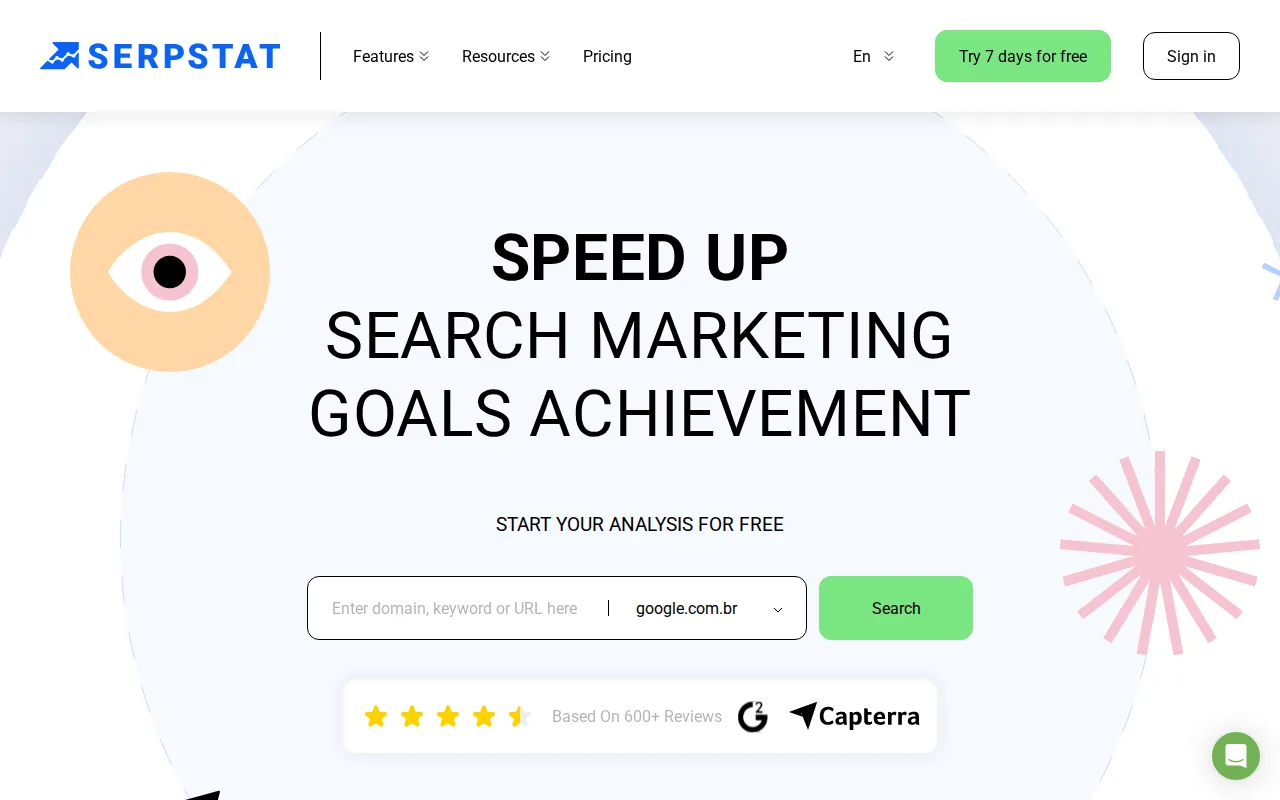
Honest limit: dense interface, and the data is strongest in European markets.
5. SpyFu
SpyFu's advantage is history. It keeps years of data on what a competitor has ranked for and bought, so you can see gaps that opened recently rather than only gaps that exist now.
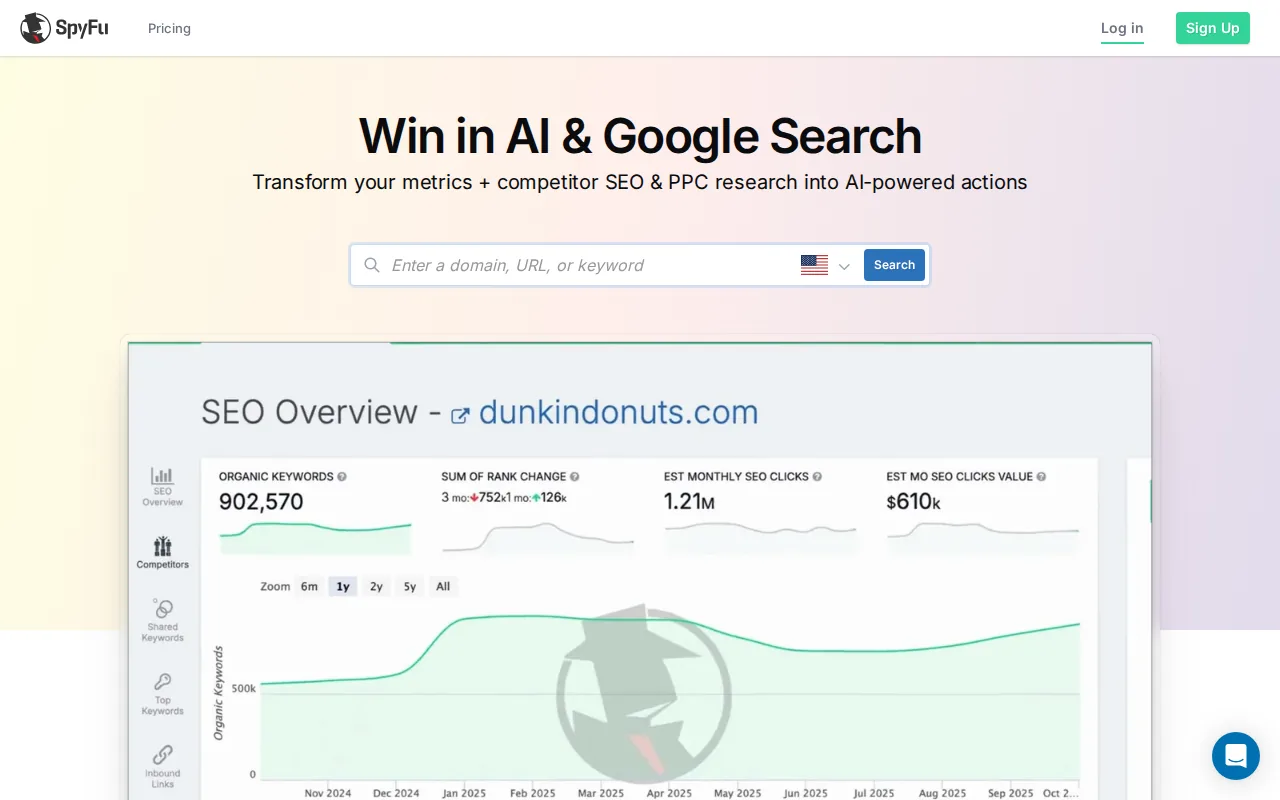
Honest limit: $119 per month, and it is weaker on the topic side entirely.
6. MarketMuse

MarketMuse is the tool that genuinely does topic gaps rather than keyword gaps: it models what comprehensive coverage of a subject looks like and shows where your library falls short.
That is a different question from what competitors rank for, and on a mature site it is the more useful one. Our MarketMuse alternative comparison covers the options if the price does not work.
Honest limit: priced for content teams with budgets, and on a small site it confirms what you already know.
7. Surfer SEO
Surfer finds gaps at page level, showing what the ranking pages cover that your draft does not, and its audit tool applies the same analysis to pages you already published.
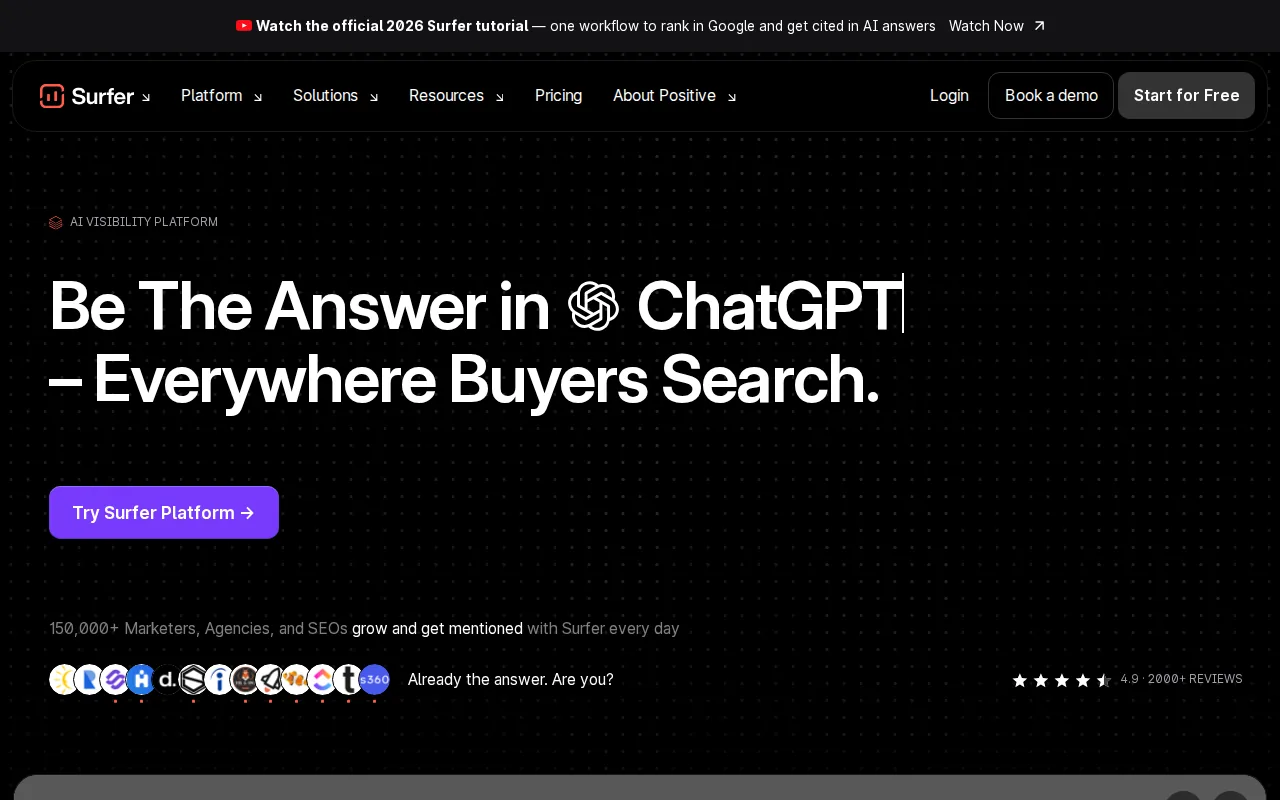
Honest limit: $99 per month billed yearly with no cheap monthly option, and the recommendations are correlation-based.
8. Clearscope
Clearscope grades a page against the terms and concepts the ranking pages share, which is gap analysis at the level of a single piece.
Honest limit: $129 per month, page level only, and it needs an existing draft to work on.
9. Frase
Frase pulls the results page, summarises what each ranking article covers, and surfaces the questions around the topic, then assembles that into a brief.
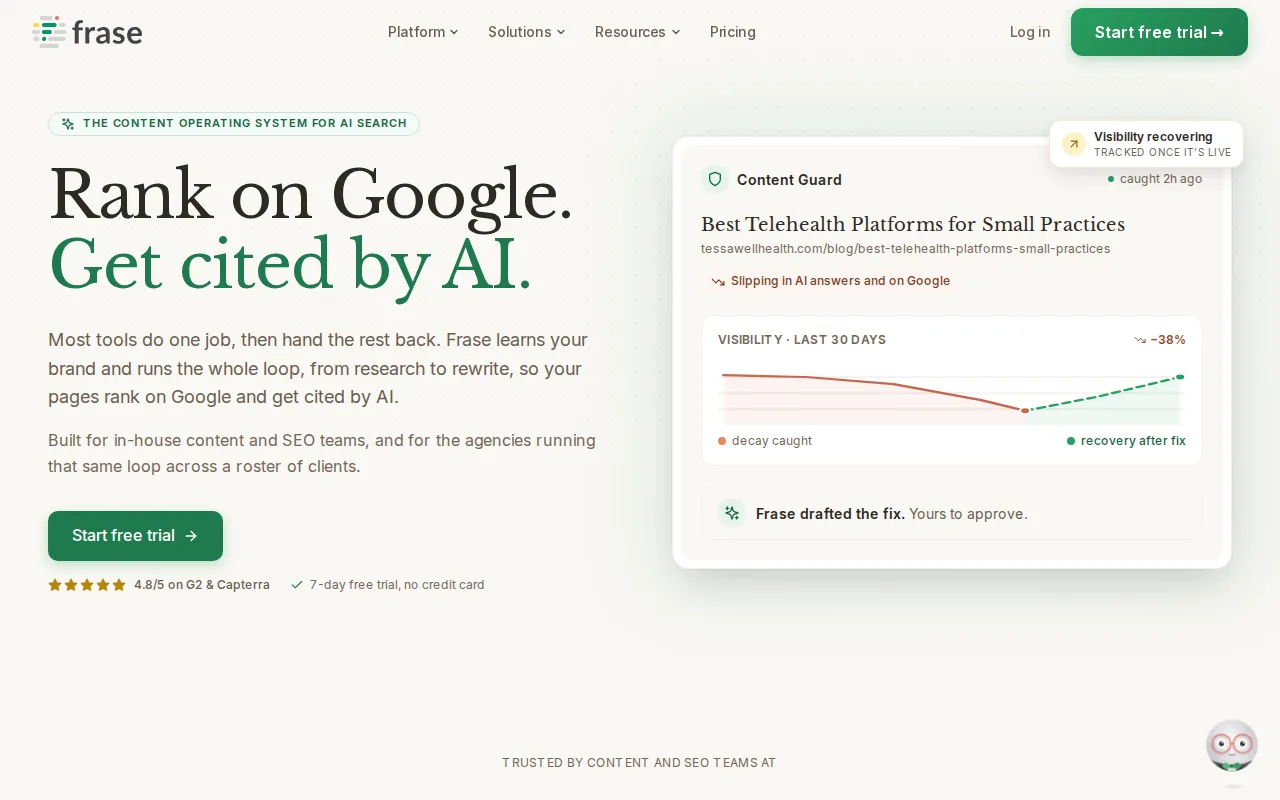
It is the tool that moves fastest from finding a gap to having something a writer can act on. Our Frase alternative list covers the competition.
Honest limit: the optimisation scoring is weaker than Clearscope or Surfer.
10. Search Atlas

Search Atlas covers competitor gap analysis alongside content scoring, rank tracking and audits, for teams consolidating subscriptions.
Honest limit: breadth over depth, and agency pricing is quoted rather than published.
11. AlsoAsked
AlsoAsked maps People Also Ask results into a branching tree, which exposes question gaps no keyword tool will find because the questions have low individual volume.
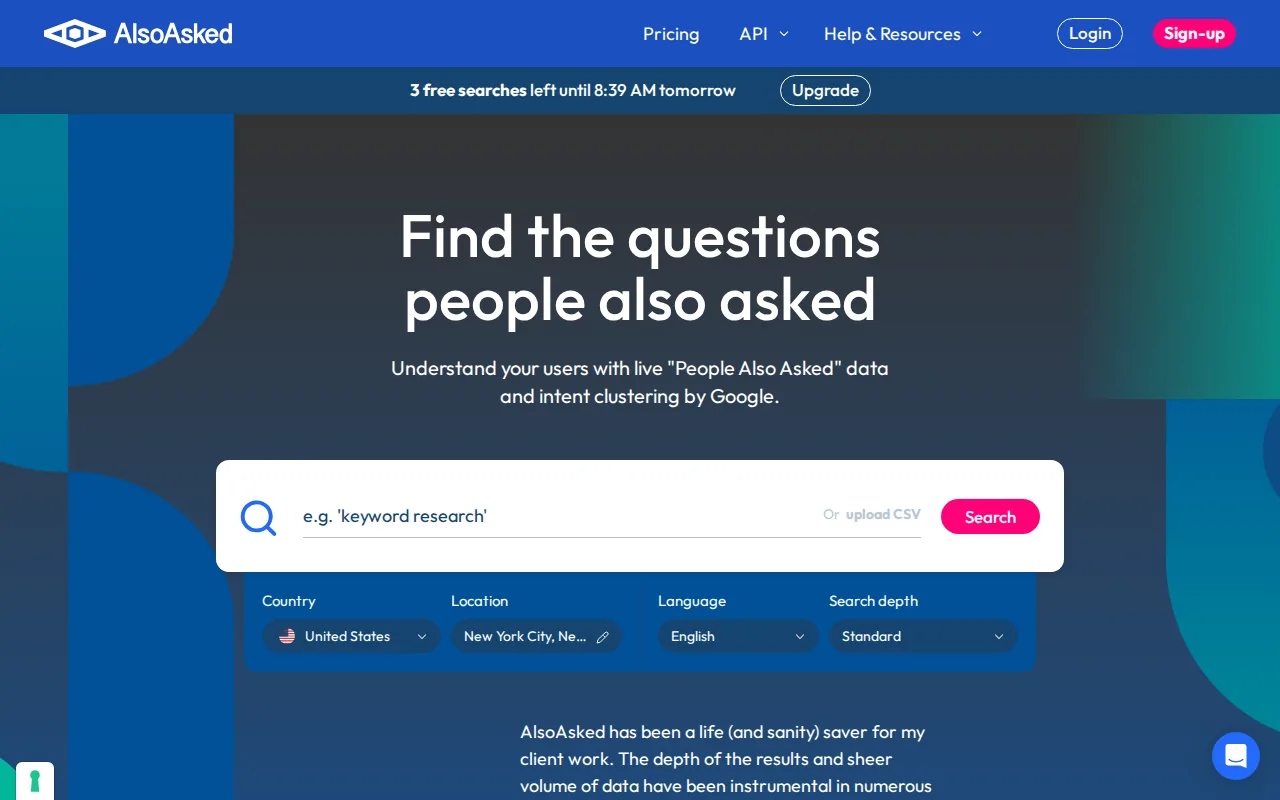
Those branches translate directly into headings and FAQ sections.
Honest limit: narrow, with a limited free tier and no volume data.
12. QuestionDB
QuestionDB pulls real questions from forums and search data, which surfaces the way people actually phrase a problem rather than the way marketers do.
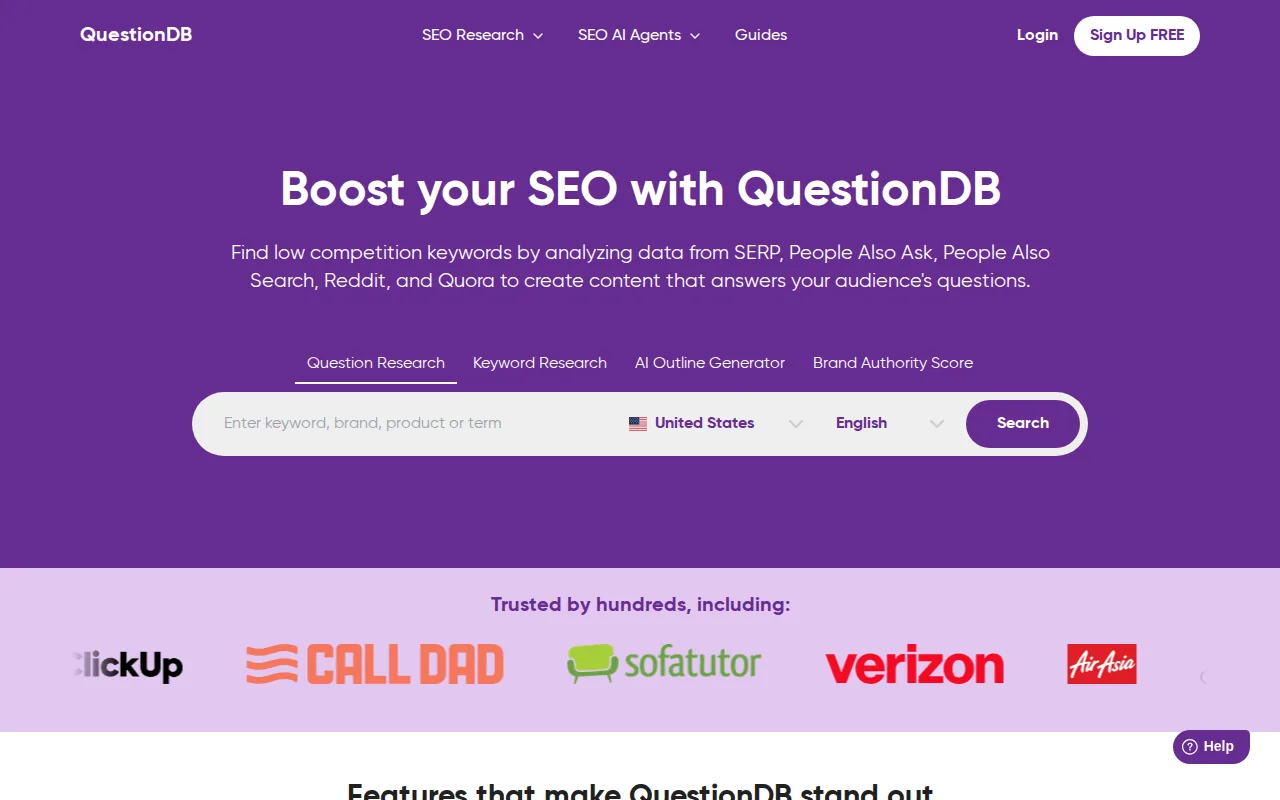
Honest limit: one job, done well, and it will not analyse a competitor.
13. Distribb, for the part after the analysis
Distribb is last on this list rather than first because it does not perform competitor gap analysis in the sense the other twelve do. There is no gap report to run against a rival domain.
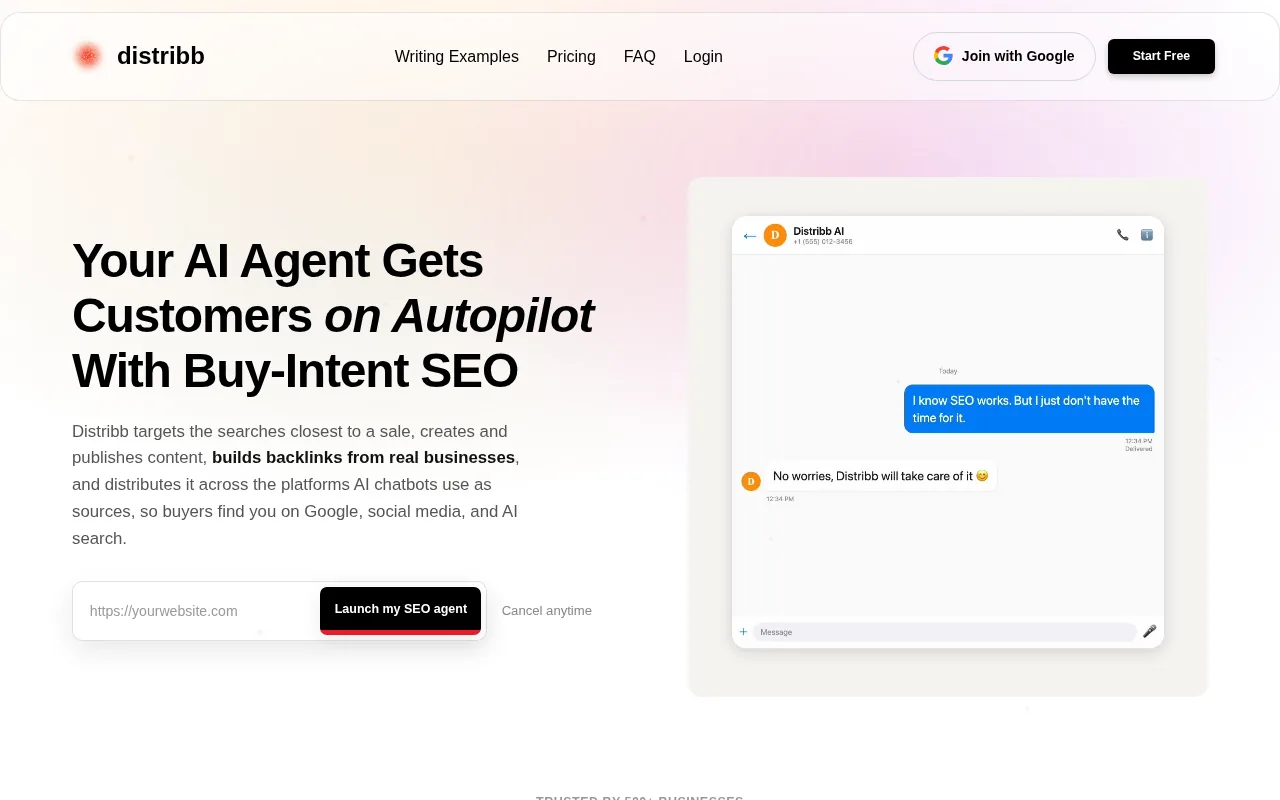
It is here because of what happens to gap reports. Nearly every site we look at has one, listing between twenty and eighty missing topics, and has closed a handful. Distribb runs research, writing, publishing to WordPress, Webflow or Shopify, and internal linking on a schedule, so the list shrinks as a matter of throughput. Its backlink exchange covers the links the new pages need.
Honest limit: if what you want is to see which keywords a competitor beats you on, buy Semrush or Ahrefs. That is a genuinely different product and we are not it. Accelerator is $495 per month with a 7-day free trial.
How to actually run a gap analysis
Start free. Search Console, filtered to high-impression low-click queries. This finds gaps in pages you already have, which are cheaper to fix than pages you do not. That same report is the starting point for content performance analysis once the pages are live, so the two habits share a data source.
Then compare against three competitors, not one. A term one rival ranks for might be a fluke. A term three rank for is a gap.
Filter ruthlessly by intent. Half of what a gap tool returns is traffic you cannot convert. Ask whether the searcher could plausibly buy from you before adding anything to the list.
Check the questions. AlsoAsked or QuestionDB, free tiers, ten minutes. Question gaps are the cheapest to fill because they become sections in articles you were writing anyway.
Then rank by winnability, not volume. A gap on a term dominated by four sites with ten times your authority is not an opportunity.
The thing about gap analysis
It is the most over-supplied stage in SEO. Finding what is missing costs a subscription and takes an afternoon. Closing it costs a content team and takes a year, which is why most gap reports are read once and filed. How much of that year an AI content generation tool can absorb is the practical question, and we cover it separately.
Before buying a fourteenth tool, count how many items from your last gap report went live. If the answer is most of them, buy Semrush and carry on. If it is a handful, the analysis was never the constraint, and our guide to automated SEO software covers the other half of the problem.