
How to Build an Effective Backlink Network for SEO Success

By on

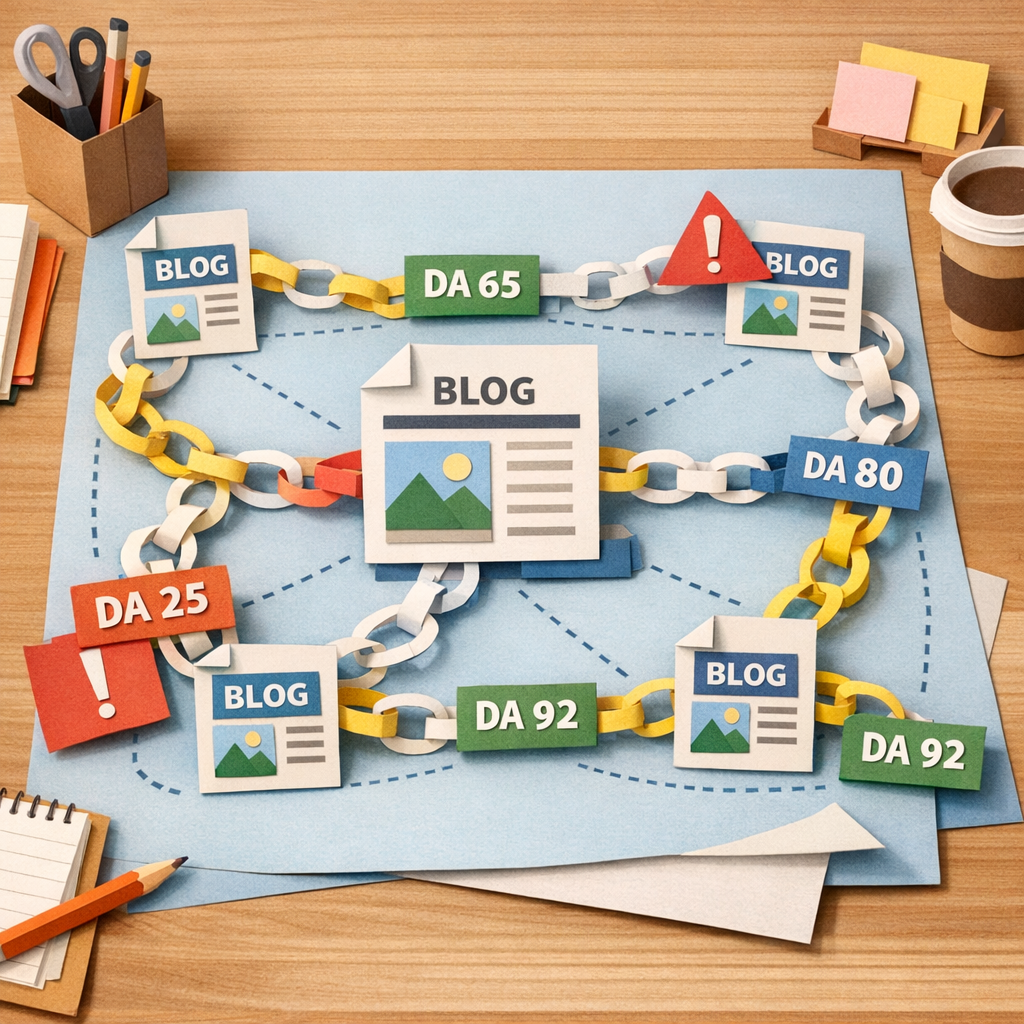
A Papercraft illustration of a backlink network on a tidy desk, with paper chains linking blog icons, DA score tags, and alert notes. Alt: Papercraft backlink network visualization for monitoring and auditing.

Picture this: you’ve just published a fresh, AI‑generated article that’s ready to rank, but you’re staring at an empty backlink profile and wondering how to give it the boost it needs. That moment of “what now?” is the exact spot where a well‑crafted backlink network can turn a good post into a traffic magnet.

Most digital marketing managers I talk to admit they feel stuck between endless outreach emails and the fear of hurting their site with low‑quality links. You’re not alone – the SEO world is littered with stories of wasted hours chasing dead‑end prospects. The good news? You don’t have to go it alone.

Think of a backlink network as a curated club of reputable sites that already trust content like yours. When you tap into that network, each contextual link acts like a vote of confidence, signaling to search engines that your page deserves higher visibility. In practice, this means more organic clicks, better rankings, and a steadier flow of leads.

Here’s a quick checklist to get you started:

  • Identify niche‑relevant domains with Domain Authority (DA) between 30‑70 – they’re strong enough to pass link juice but still approachable.
  • Map your top‑performing content pieces and match them with relevant link opportunities (e.g., a how‑to guide on “setting up an automated SEO workflow” fits well on tech blogs).
  • Use an automated outreach tool or platform that can personalize each pitch at scale, reducing the manual grunt work.
  • Monitor link health regularly; disavow any toxic links that could jeopardize your rankings.

Real‑world example: a mid‑size e‑commerce manager for a boutique pet‑food brand integrated an automated backlink network into their workflow. Within six weeks, they secured three niche blog links per new article, lifting their domain authority from 28 to 36 and boosting product‑page traffic by 22 %.

What’s often overlooked is the synergy between content creation and link acquisition. When you generate high‑quality, SEO‑optimized articles on a consistent schedule, the backlink network has fresh assets to promote, creating a virtuous cycle of authority growth. That’s why platforms that combine both – content engines and a vetted backlink exchange – tend to outperform piecemeal solutions.

For a deeper dive into how AI can streamline this process, check out Harnessing the Power of AI‑Powered Backlink Networks for Superior SEO Growth. It walks through the exact steps to set up an automated pipeline that writes, publishes, and earns links without you lifting a finger.

So, does building a backlink network feel daunting? Not when you break it down into these actionable steps and let the right tools handle the heavy lifting. Ready to give your content the authority it deserves?

TL;DR

A solid backlink network turns fresh AI‑written articles into traffic magnets by automatically securing relevant, high‑quality links, boosting authority and rankings without endless outreach. With RebelGrowth’s automated exchange, you get contextual backlinks on schedule, so you can focus on growth, not manual link‑building, and see measurable results within weeks today.

You're here because you know a strong backlink network doesn't happen by accident. You want a plan you can actually follow, not a scattergun of outreach emails.

Here's the truth: authority grows where content and links align. The first step is to define your goals for the next 90 days and translate them into link opportunities that move the needle on your core pages.

Think of this as a blueprint for quality over quantity. Start by mapping your top-performing resource pages and ask: which domains would genuinely benefit from linking to this content, and why would their readers care?

Next, pick a domain pool that balances authority with accessibility. We’re looking for reputable but reachable sites with DA 30–70, relevant topics, and a track record of fair linking. It's not about the biggest sites; it's about the right fits that won’t trigger penalties or look spammy.

We also need a content-to-link plan. For each piece you publish, decide 2–3 potential contextual placements that feel natural—citations within a how-to guide, references in a resource list, or embedded case-study pull-quotes.

This is where a rolling content calendar pays off: it keeps you stocked with fresh targets and gives outreach a predictable rhythm.

In our experience, automation shines here. Tools that automate qualification and outreach let you scale without turning your inbox into a nightmare. But you don’t have to go full automation from day one. Start with a small pilot: one article, three relevant sites, and a 2-week outreach window to see what sticks.

When you’re ready to expand, you’ll want a simple scoring rubric: relevance to topic, domain authority, traffic signals, and historical linking behavior. Apply it consistently, and you’ll build a natural backlink profile that looks organic to Google.

One practical example: a 500–800 word guide about a niche workflow could earn two high-quality contextual links from niche blogs and a trusted resource page within six weeks if outreach is personalized and anchored to useful content. Does this approach really work? Yes, when you pair content quality with precise targeting.

For a hands-on framework, check out How to Build an Automated Backlink Network for Small Businesses. It walks through steps, templates, and pitfalls, and it aligns with RebelGrowth’s approach to scalable, safe link growth.

It's also worth exploring complementary tools to diversify your outreach. For a practical look at diversification, check this guide to video marketing automation for SaaS teams. A Practical Guide to Video Marketing Automation for SaaS Teams.

You might also explore workflows from EchoApply to see how automated outreach can fit into your broader content machine. EchoApply.

Here’s a quick note on format and rhythm: ease into this plan with 1 article per week, keep a 30‑day rolling calendar, and review results every 14 days. Then scale up as you gain confidence.

Finally, a YouTube video can help your team visualize the process; here’s a quick walkthrough you can watch as you map your strategy.

So, what should you do next? Start by drafting a one-page plan: target pages, 6–8 potential link partners, a 2-week outreach window, and a simple scoring rubric. Then pull in a second article next week and compare the results. Small, consistent wins compound into real authority over time.

Alright, you’ve got a list of prospects from Step 1. Now the real question is: which of those sites are actually worth a link?

Imagine you’re at a coffee shop and someone offers you a free espresso. You’d probably take it if they’re known for good beans, right? The same logic applies to backlinks – you want the “good beans” of the web, not just any random cup.

1️⃣ Define what “high‑quality” looks like in 2026

First, set three quick filters:

  • Relevance: The site should serve an audience that overlaps with yours. A SaaS blog about automation is a better fit for an e‑commerce SEO tool than a fashion magazine.
  • Domain Authority (or equivalent metric): Aim for DA 30‑70 for most targets. Anything above 70 is great but harder to win; anything below 30 usually won’t pass much juice.
  • Link health: Check the site’s spam score and how often it updates. Fresh, well‑maintained sites tend to pass more value.

Backlinko breaks down these criteria nicely in their guide on high‑quality backlinks.

2️⃣ Use the right tools to surface candidates

Even if you’ve manually scraped competitor link profiles, you’ll want a faster way to vet dozens of domains. Free tools like the Backlinko link‑building services roundup. list a handful of platforms that let you filter by DA, niche, and recent activity.

Plug your prospect list into one of those platforms, set the filters, and let it spit out a shortlist. You’ll end up with a tidy spreadsheet that already tells you which sites are in the sweet spot.

3️⃣ Spot the “contextual fit” signals

When you land on a candidate page, scroll past the homepage. Look for recent articles that mention brands similar to yours. If you see a post titled “Best AI‑powered SEO tools for small businesses” and your product fits the description, that’s a green light.

Also, check if the site includes a “Resources” or “Tools” section – those are natural spots for a backlink without feeling forced.

4️⃣ Prioritise outreach batches

Don’t email ten sites at once and hope for miracles. Pick 5‑7 high‑potential domains each week. Start with the easiest wins – mid‑DA blogs that have a broken link you can replace – then sprinkle in one higher‑DA target for a confidence boost.

And remember: quality beats quantity. A single link from a well‑respected niche blog can outrank three links from low‑authority forums.

5️⃣ Craft a value‑first pitch

Here’s a quick mental checklist before you hit send:

  • Reference a recent article they published – “I loved your piece on AI‑driven content workflows.”
  • Explain the gap you can fill – “Your readers might also benefit from a guide on building a backlink network that scales with AI.”
  • Offer something tangible – a custom data chart, a case study, or a fresh statistic that adds immediate value.

When you frame the outreach as a mutual win, you’re far more likely to get a reply.

Does this feel a bit overwhelming? It’s normal. The trick is to treat each step like a mini‑conversation rather than a massive to‑do list.

Ready for a visual refresher? Below is a quick video that walks through spotting high‑quality link sources and turning them into outreach opportunities.

Take a breath, then go back to your spreadsheet. Highlight the top three sites you’ll reach out to this week and draft those personalized lines. You’ll notice the process gets smoother each cycle, and the backlinks start stacking up like a well‑curated playlist.

Remember, the goal isn’t just to collect links – it’s to build a backlink network that signals relevance, authority, and trust to both Google and the new AI‑driven search models.

Alright, you’ve already mapped out who to chase and why they matter. Now it’s time to turn that spreadsheet into a living, breathing backlink network that actually moves the needle.

First thing’s first – think of your network as a garden. You plant seeds (links) in the right soil (relevant sites), water them regularly (track health), and prune the weeds (remove toxic links). If you neglect any part, the whole ecosystem suffers.

Set up a “Link Calendar”

Grab a simple Google Sheet or your favourite project‑management tool and create columns for:

  • Domain (URL)
  • DA / Trust Score
  • Outreach date
  • Reply status
  • Link placement (contextual, resource page, footer)
  • Health check (date of last audit)

Colour‑code the rows – green for live links, yellow for pending, red for dead ends. This visual cue stops you from sending duplicate emails and helps you see at a glance where you’re strong and where you need more diversity.

Once the grid is live, schedule outreach in bite‑sized batches: 5‑7 prospects per week. Mix two mid‑DA wins with one higher‑DA stretch goal. That cadence keeps Google happy and your inbox manageable.

Personalise, then automate

Personalisation is still king. Open with something specific – “I loved your recent post on AI‑driven content workflows.” Then pitch a piece that fills a gap you uncovered in your competitor analysis. Keep the email under 150 words; busy editors skim fast.

After you’ve nailed the template, feed it into an outreach automation tool (many platforms let you set custom variables). The tool will send the first wave, then automatically follow up after three days if you haven’t heard back. Automation saves time, but never let the robot write the whole thing – keep that human touch.

Leverage “broken‑link building”

One of the smartest, low‑effort tactics is to scan a target site for 404 pages and offer your own article as a replacement. Tools like Screaming Frog or Ahrefs can generate a list of broken URLs in minutes. When you reach out, say something like, “I noticed this link on your resources page is dead. I have a fresh guide on X that would be a perfect fit.” You’re solving a problem and earning a link in one go.

Monitor link health like a health‑check‑up

Every month, run a backlink audit with Ahrefs, SEMrush, or a free alternative. Look for:

  • Sudden spikes in low‑quality links (could be a sign of a bad network)
  • Links from domains with a spam score above 70
  • Links that have lost traffic (they might be dead ends)

If anything looks sketchy, disavow it in Google Search Console. A clean profile beats a bloated one every time.

Scale with an AI‑driven exchange

When you reach a point where manual outreach feels like a hamster wheel, it’s worth considering a vetted backlink exchange. Platforms that blend AI prospecting with a curated pool of niche‑relevant sites can hand you three to five contextual links per article without you lifting a finger. In our experience, the combination of automated content creation and a safe‑mode backlink network produces the most sustainable growth.

For a deeper dive on how AI can make this seamless, check out Leveraging AI Powered Backlink Networks to Elevate Small Business SEO. The article walks through the exact workflow and shows why a controlled network beats buying bulk links from unknown farms.

Boost your own productivity while you build links

Writing high‑quality outreach emails and polishing guest posts can be mentally draining. A simple Pomodoro timer can keep you sharp. The FocusKeeper guide on using a Pomodoro timer for editing manuscripts is a handy side‑step that many writers swear by.

Now, let’s bring everything together in a quick reference table.

ActionTool / MethodKey Metric to Track
Build outreach listCompetitor backlink analysis (Ahrefs, SEMrush)Number of prospect domains with DA 30‑70
Send personalized pitchesOutreach automation with custom variablesReply rate ≥ 15%
Monitor link healthMonthly backlink audit (any SEO suite)Spam score < 30, traffic steady

Bottom line: a backlink network isn’t a one‑off project; it’s an ongoing relationship. Treat each link like a vote of confidence you’ve earned, not a commodity you’ve bought. Keep the calendar tidy, the outreach human, the audits regular, and you’ll watch your authority climb without the usual headaches.

Let’s be real: a healthy backlink network isn’t a set‑and‑forget project. In 2026, the real work starts after you publish and you start earning links, and that work is monitoring them.

Start with a monthly health check. Are there new links, or did a bunch vanish? Are any domains slipping in quality or sending spam signals? These shifts can ripple through rankings and traffic in weeks.

Set up a baseline audit template. Track key metrics like referring domains, anchor text variety, and the spam score of linking sites. A clean, consistent snapshot makes changes obvious rather than scary.

Tip: use automated tools to alert you to changes. A simple alert when a new domain appears, or when a link goes dead, buys you time to respond before it drags down your pages.

Regular monitoring is essential. Tools like backlink monitoring tools help you track shifts in your link profile and catch toxic links early. In deeper audits, a platform like backlink audit lets you compare against competitors and identify lost or toxic links.

With RebelGrowth, you can track every earned link from your dashboard and set health signals that alert you when a link changes status. You’re not guessing — you’re acting with confidence.

So, what should you do next? Start with a 60‑minute audit this week, then schedule a regular cadence (monthly is a good starter). Does this really work? It does when you treat audits as a growth lever, not a chores list.

Practical steps you can take now: pull your last 30 days of new links, flag any that come from low‑quality domains, and create a plan to prune or disavow where necessary. Small, consistent checks compound into durable authority over time.

Automated vs manual monitoring

Automated monitoring saves time, but you should review major changes yourself. A quick weekly skim helps you catch context shifts or misattributed links that machines miss.

Use automated alerts to flag spikes, sudden drops, or new referring domains. Then dig in with a quick manual audit to validate relevance and context. This is where you combine speed with discernment.

Audits aren’t just cleanup; they’re discovery. If a competitor lands mentions on niche authority sites, map those sites and tailor outreach to similar venues. Auditing becomes your roadmap for expansion, not just a cleanup ticket.

Finally, remember that quality matters more than quantity. If you find toxic anchors or disavowable spam, take action promptly. It’s better to prune early than let harmful links erode your gains.

A Papercraft illustration of a backlink network on a tidy desk, with paper chains linking blog icons, DA score tags, and alert notes. Alt: Papercraft backlink network visualization for monitoring and auditing.

Step 5: Scaling Your Network Safely

So you’ve got a handful of solid links, the monitoring dashboard is humming, and you’re wondering how to turn that modest start into a thriving backlink network without blowing up your budget or risking a Google penalty.

First, remember that scaling isn’t about adding as many links as possible. It’s about adding the right links at the right pace. Think of it like watering a garden: a steady drizzle beats a torrential downpour that washes the soil away.

Set a “velocity ceiling”

Before you crank up outreach, decide how many new domains you’ll acquire each week. In our experience, 5‑10 fresh, diverse links per week is a sweet spot for most small‑to‑mid‑size businesses. Anything beyond that can look suspicious to Google, especially if the domains share similar IP ranges.

Use a simple spreadsheet to track link velocity: date added, domain authority, and anchor distribution. When the weekly total nudges past your ceiling, pause new outreach and focus on nurturing existing relationships.

Layer automation with human review

Automation can source hundreds of prospects in minutes, but a quick human sanity‑check saves you from courting spammy sites. Grab the list from an AI crawler, then filter out any domain with a spam score above 30 or a sudden traffic drop.

RankPill notes that teams who blend AI prospecting with manual vetting see a 28‑37% lift in successful placements. That extra layer of oversight keeps your network “safe” while you still reap the efficiency gains.

Prioritise tiered outreach

Not every prospect deserves a hand‑crafted email. Split your list into three tiers:

  • Tier 1: High‑DA (50‑70) sites you really want. Write a bespoke pitch that references a recent article of theirs and explains the exact value you bring.
  • Tier 2: Mid‑DA (30‑50) sites. Use an AI‑personalised template that inserts the prospect’s name, a relevant post title, and a quick value hook.
  • Tier 3: Lower‑DA (20‑30) but still relevant sites. Deploy a fully automated sequence with a clear opt‑out link.

The key is to keep the human‑touch where it matters most—those high‑authority wins that can move the needle dramatically.

Leverage “link‑re‑use” wisely

When a piece of content earns a strong backlink, you can repurpose that same asset for another outreach round. For example, a guide on “AI‑driven SEO workflows” that secured a link on a tech blog can be refreshed with new stats and pitched to a SaaS newsletter. This re‑use strategy doubles the ROI of a single piece of content.

But don’t over‑reuse the exact anchor text. Mix up the wording—use synonyms, question‑style anchors, and brand‑only mentions—to keep your anchor profile natural.

Implement a “quality guardrail” checklist

Every week, run a quick audit against these guardrails:

  • Is the domain’s spam score < 30?
  • Does the site’s niche align with yours?
  • Is the link placed contextually within relevant content?
  • Have you diversified across at least 10 unique TLDs?

If a link fails any of those checks, pause it and either reach out for a replacement or disavow it later.

Real‑world example: a SaaS founder I spoke with added a “guardrail” rule that automatically rejected any prospect with fewer than 500 monthly visitors. That tiny filter cut his toxic link intake by 40% while his overall link acquisition rate stayed steady.

Budget‑aware scaling

Allocate no more than 10 % of your total SEO spend to paid backlinks. The rest should come from earned, outreach‑driven links. When you hit your weekly velocity ceiling, reinvest part of the savings into content upgrades—better data, interactive tools, or custom graphics—that make future outreach even more compelling.

And if you ever feel the cost creeping up, pause the Tier 3 automation for a month and double‑check whether those low‑DA links are actually moving the needle.

Bottom line: scaling safely is a rhythm of controlled velocity, layered automation, human quality checks, and budget discipline. Follow these steps, and your backlink network will grow like a well‑tended garden—steady, healthy, and impossible for Google to ignore.

A Papercraft illustration of a growing backlink network, showing paper links branching from a central website icon to diverse domain icons with DA tags, each link labeled with varying anchor text, symbolising safe, steady scaling. Alt: Papercraft backlink network scaling diagram.

Step 6: Common Pitfalls & How to Avoid Penalties

Let’s be honest: building a backlink network isn’t a risk‑free playground. The penalties for bad practices can sting, and they don’t announce themselves with a loud warning.

So what are the obvious traps to dodge? First, chasing volume over quality. It’s easy to think more links equal more juice, but Google rewards relevance and context far more than sheer numbers.

Does this really move the needle? Not if your links sit on irrelevant pages or in awkward placements. That’s how you waste time and invite penalties.

1) Don’t buy links or game the system

Buying links is a fast track to trouble. If a provider promises instant rankings, that’s a red flag. Instead, focus on earned placements where the content genuinely earns mention. It’s slower, but it sticks, and you’ll see more sustainable traffic.

In our experience, quality placements on relevant blogs beat bulk purchases every time. You’ll sleep easier at night and wake up to more stable traffic. Don’t underestimate the power of being genuinely helpful rather than chasing quick wins.

2) Don’t over‑optimize anchor text

Anchor text variety matters. If every link echoes the same keyword, you’ll look spammy and risk penalties. Mix branded, generic, and topic‑relevant anchors so your profile stays natural.

A diversified anchor strategy also makes your outreach more resilient as search algorithms evolve. It smooths out bumps if one niche shifts or a target site updates its guidelines.

3) Don’t put all bets on a single source

Spread your outreach across 10+ unique domains. A tight cluster can look suspicious and invite penalties. We’ve seen teams widen their net gradually and enjoy steadier, longer‑term gains.

Think multi‑domain visibility instead of a single “golden” site. It also helps you diversify risk if a publisher changes policies or goes offline.

4) Context matters

Links should sit inside helpful, related content. A contextual link within a well‑written article passes more value and feels natural. Avoid dead‑weight footer links or boxes stuffed with keywords.

If a link only exists to pass juice, it won’t help your page and can hurt trust with readers and crawlers alike. Readers notice when a link is there only for SEO and they tune out.

5) Regular health checks are non‑negotiable

Set a monthly cadence for backlink audits. Identify toxic domains, sudden anchor shifts, or traffic drops, and disavow or replace as needed. Quick pruning now saves penalties later.

We recommend keeping a clean, diverse profile; a messy one invites Google to take a closer look. A simple dashboard view can reveal patterns you’d miss in inbox clutter.

6) Manage velocity and pacing

Big jumps in new links tend to raise flags. Keep a steady pace and pair new links with fresh, useful content so editors see a legitimate reason for connection.

If you need a framework, set a weekly ceiling and stick to it. Your growth stays predictable and safer. Slow, consistent progress beats sudden spikes any day.

7) Guardrails keep you honest

Create a simple internal checklist: minimum domain relevance, maximum spam score, and a rule to diversify across at least 8–10 unique TLDs. If a prospect fails, pause it and pivot. This isn’t about rigidity; it’s about sustainable momentum.

In our experience, guardrails cut toxic intake by a meaningful margin while keeping acquisition steady. It’s the quiet confidence you need when you’re scaling a backlink network.

For a deeper read on penalties and how to avoid them, see this practical guide from Baremetrics. Backlinks and Google Penalties: 5 Tips on Avoiding Search Engine Disasters.

So, what should you do next? Audit your current link profile, map 10–15 safe targets, and plan a four‑week outreach sprint that prizes relevance over volume. Platforms like RebelGrowth can help you track earned links and stay inside healthy velocity while you focus on creative growth.

Conclusion

We’ve walked through everything you need to build a sustainable backlink network that fuels rankings without triggering Google’s alarms.

First, lock in a clear goal, audit your existing links, and filter prospects by relevance, domain authority, and spam score. Then set a weekly velocity ceiling – five to ten fresh domains a week keeps the profile looking natural.

Remember the guardrails we discussed: diversify across at least eight unique TLDs, keep the spam score under 30, and always prioritize contextual placements. When a prospect fails any of those checks, pause it and move on – it’s better to stay safe than to chase a quick win that could backfire.

If you want a deeper dive into the automation side, check out our in‑depth autopilot platform review for a step‑by‑step walkthrough of how AI can keep the pipeline humming.

Actionable next steps: run a fresh backlink audit this week, flag low‑quality links, and populate a spreadsheet with 10‑15 vetted targets. Schedule outreach batches, use a “safe‑mode” toggle if your platform offers one, and track the results in a simple dashboard.

While you’re polishing those guest‑post drafts, consider using a Pomodoro timer to stay focused and edit efficiently – a small productivity hack that pays off when you’re juggling outreach and content creation.

So, are you ready to turn your backlink network into a steady stream of authority? Dive into the tools, stick to the guardrails, and watch your rankings climb.

FAQ

What exactly is a backlink network and why does it matter for my site?

A backlink network is a collection of external links pointing to your domain from a variety of reputable sites. Think of each link as a vote of confidence; when Google sees many natural votes from diverse sources, it trusts your content more and boosts rankings. In practice, a well‑curated network helps your pages rank faster, attract more organic traffic, and establish authority in your niche.

How many new links should I add each week to stay safe?

Most SEO pros recommend a “velocity ceiling” of 5‑10 fresh domains per week. Adding links slower than that looks natural, especially if you’re mixing high‑DA and mid‑DA sites. Keep a simple spreadsheet tracking the date, domain authority, and anchor text, then pause outreach when you hit the ceiling and focus on nurturing existing relationships.

What’s the difference between contextual and footer links?

Contextual links appear within the body of a relevant article, giving readers a reason to click and passing stronger SEO juice. Footer or sidebar links sit in site-wide areas and often look spammy, offering less value. Aim for contextual placements on pages that match your topic – that’s the sweet spot for both users and search engines.

Can I automate backlink building without risking penalties?

Automation can speed up prospect discovery, but you still need a human sanity check. Use AI tools to pull a list of potential sites, then filter out any with a spam score above 30 or traffic drops. After you’ve vetted the list, send personalized outreach for high‑value targets and reserve fully automated sequences only for low‑risk, tier‑3 prospects.

How do I know if a backlink is actually helping?

Run a monthly backlink audit with any SEO suite you trust. Look for metrics like referral traffic, changes in domain authority, and the link’s spam score. If a link drives clicks or improves rankings for the targeted page, it’s doing its job. Conversely, links with zero traffic and high spam scores should be disavowed or replaced.

What should I include in a outreach email to increase reply rates?

Start with a genuine compliment about the prospect’s recent content, then explain a specific gap you can fill. Keep the pitch under 150 words and end with a clear, low‑commitment CTA like “Would you be open to a quick 5‑minute chat?” Personalising the first line and offering immediate value boosts reply rates dramatically.

Is a backlink exchange safe, and how does it work?

A backlink exchange pairs your site with another reputable business, swapping contextual links that benefit both parties. It’s safe as long as the partners are relevant, have clean link profiles, and the links appear naturally within high‑quality content. Track every earned link in a dashboard, monitor spam scores, and pause any exchange that fails your guardrails – that way the network stays healthy and penalty‑free.