
Let me be straight: juggling keyword research, content calendars, and backlink outreach feels like a circus act. You’re juggling too many balls and the lights keep flickering.
What if you could hand that circus routine to a machine that learns the tricks? That's what content automation SEO does. It frees up your brain to focus on strategy while the system writes, optimizes, and distributes.
For a small‑to‑mid‑size digital marketing manager, the time saved can translate to a 40% increase in content output with 25% less manual effort, according to industry studies on automation adoption.
Imagine an e‑commerce owner who normally spends hours hunting keyword clusters, only to see the same pages compete internally. With automated content engines, each keyword gets a dedicated post, complete with schema, alt tags, and internal links, all generated in minutes. Master seo content automation: A Usable How‑To Guide shows how to set it up.
You might wonder: how do you keep quality high? The answer lies in a feedback loop: the platform feeds search metrics back to the content generator, tightening relevance over time. Think of it as a self‑learning editorial team.
And that loop doesn’t end there. The system can also surface backlink opportunities. It scans your competitor’s link profiles, suggests prospects, and even drafts outreach emails. The result? Higher domain authority without the usual cold‑calling grind.
To make this shift, start by mapping your content pillars and letting the automation engine populate them. Then review a handful of pieces, tweak tone, and let the workflow run. Over weeks, you’ll notice fewer content gaps and a steady climb in organic rankings. Getting the cadence right is its own job, and our guide to scheduling SEO content automation covers it.
If you’re looking to keep those briefs organized, tools like Yaranga let you capture ideas, create task lists, and sync notes across your team. This lightweight note‑taking app fits neatly into the automation workflow, keeping ideas fresh while the engine does the heavy lifting.
Finally, remember that automation isn’t a silver bullet: it’s a partner. The smarter you set up your data feeds and the more you iterate, the more powerful the system becomes. Let’s dive deeper into the mechanics in the next section.
TL;DR
With content automation SEO, you can let an engine generate keyword‑driven posts, build data, and draft outreach emails, all while keeping your brand voice intact. So by looping real‑time search insights back into the workflow, you’ll see higher rankings, more backlinks, and a 40 % boost in output without manual research.
Step 1: Audit Your Current Content Pipeline
You’ve got a library of drafts, evergreen pieces, and a few dead‑ends. The first thing we do is take a hard look at what’s already out there.
Start with a quick inventory: list every piece that has ever lived in your content hub, blog posts, FAQs, case studies, even those abandoned drafts in Google Docs. A spreadsheet or a simple table works, but the goal is to see the big picture.
Next, map each article to a pillar keyword and check its performance data. Are the rankings where they should be? Is traffic flatlining? This audit turns your content into a data set you can act on.
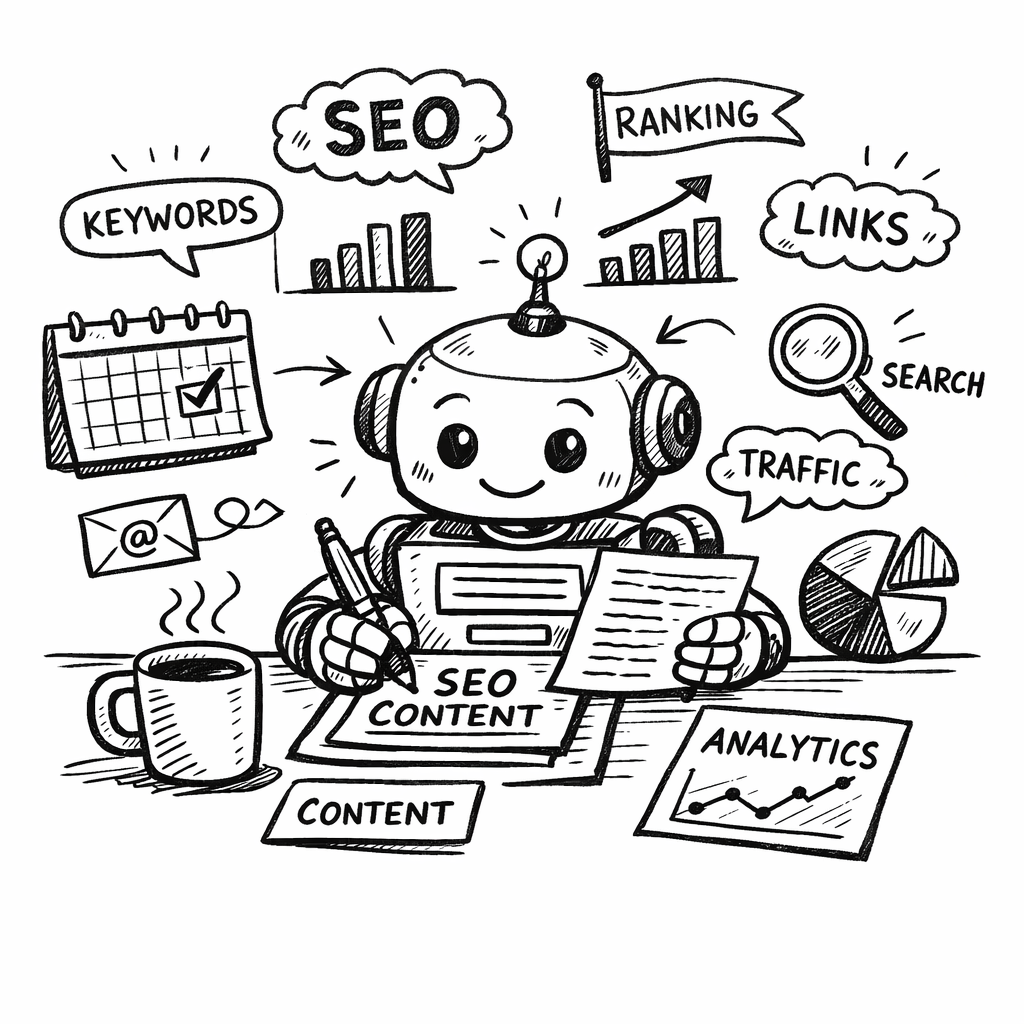
Now, look for gaps and overlaps. Do you have multiple posts competing for the same keyword? Do you miss high‑intent topics that your audience is searching? Pinpoint those holes; that’s where automation can step in.
Once you know what’s missing, set up a content calendar that feeds straight into your automation engine. The engine can then generate fresh posts, add schema, and schedule publishing, all while you keep the voice human. That full sequence, keyword to published post, is what our AI content writer runs.
For the technical side, tie your audit spreadsheet to the platform with a simple API or CSV upload. That way, every time you add a new keyword cluster, the system knows exactly what to generate.
When you’re ready to scale, consider backing up your audit data in a shared workspace. Tools like Yaranga let you keep the spreadsheet, task list, and notes in one place, keeping everyone on the same page.
Finally, remember the tangible side of SEO gains, better packaging, labels, and business forms. A print‑ready solution like JiffyPrintOnline can help turn your online traction into real‑world branding.
Curious about how to automate the whole thing? Look at our guide on how to automate SEO content creation for scalable organic growth.
Step 2: Choose the Right Automation Platform
Let’s get real: your first platform choice can make or break your whole automation pipeline. If it doesn’t fit your team’s workflow or your budget, you’ll end up stuck tweaking an imperfect tool instead of publishing fresh content.
Start with a short list of must‑haves: native CMS integration, a clear keyword‑clustering engine, built‑in schema generation, and an API for backlink sourcing. This detailed look at SEO content software shows how a single platform can pull research and assets into the draft. Don’t forget a transparent pricing model; you’ll want to scale from a handful of posts to dozens of pillar pages without a surprise bill. If a platform offers a free tier or a hands‑on demo, use it to test those features in real time.
Take the e‑commerce example: a retailer that wants auto‑generated category guides can spend hours writing product descriptions. A platform that pulls data from your inventory and spits out a SEO‑ready article in minutes saves both time and money. And if it also suggests related internal links, you’ll lift dwell time automatically.
When comparing vendors, look for a tool that doesn’t just write; it writes with context. A platform that pulls SERP data to suggest sub‑topics is far more valuable than one that only offers generic templates. One of the industry reviews highlighted that platforms which combine keyword research, content drafting, and link building in a single dashboard outperform those that fragment the workflow. This review of top SEO automation tools lists the key features to watch for.
Now, make the evaluation usable: 1) create a 7‑day trial test; 2) draft a single pillar page in the platform; 3) review the SEO score and internal link suggestions; 4) calculate the time saved compared to your current process. If the platform checks all boxes, lock in a plan that grows with you.
The last thing you need is a platform that’s hard to use. Start with a free trial, set a simple KPI, like 20% faster content cycle, and see if the platform meets that goal. If it does, you’re ready to automate the rest of your pipeline.
Step 3: Build an AI‑Generated Content Calendar
Let’s get rolling. Once you’ve picked a platform, the real time‑saver is a calendar that the AI can draft, tweak, and schedule for you.
First, map out your pillar themes: those are the big topics your brand owns. Think of each pillar as a hub; the AI will spin out spokes, the individual posts. Feed that structure into your engine, and it will pull in relevant keyword clusters, suggest sub‑topics, and even populate meta tags, all in one glance.
Next, set a publishing cadence that matches your workflow. 2‑3 posts a week is a sweet spot for most small‑to‑mid‑size teams; the AI can lock dates, time zones, and content types (blog, FAQ, product guide) into a single spreadsheet. If you need to shift gears, just tweak one field and the rest recalculates automatically.
After the first batch goes live, keep the feedback loop humming. Pull in traffic, dwell time, and ranking shifts back into the platform so the AI learns what resonates. That means fresh content keeps climbing the SERP ladder without manual rewrites.
For a concrete reference, check out 10 ways a SEO automation platform can boost your rankings. It breaks down exactly how the calendar syncs with optimization goals.
And don’t forget the back‑office. Managing growing client lists is a pain; a tool like ClientBase keeps your projects tidy and deadlines on track.
| Feature | Example Tool | Notes |
|---|---|---|
| Keyword cluster mapping | AI engine | Automates content groups and sub‑topics |
| Scheduling & reminders | Calendar integration | Syncs with CMS and email alerts |
| Performance feed‑back | Analytics API | Feeds traffic & ranking data back to the AI |
Step 4: Optimize for On‑Page SEO in Automation
Now that the calendar’s humming, it’s time to tell each post how to stand out on the search page. Think of on‑page SEO as the first handshake with Google – a quick glance to say “I’m legit.”
Start with the headline. The AI can generate headline‑level keywords, but you’ll still want to tweak the tone so it feels like a real call‑to‑action. A headline that asks a question, “Why should I choose X?” usually nudges users to click. The free blog title generator gives you a few phrasings to compare.
Next, meta description. The platform can auto‑fill a draft, but make it conversational – less than 155 characters, and include a benefit. “Discover how to boost sales with automated SEO in 2026.”
Internal linking is where automation shines. Rather than hunting for anchor text manually, set rules that the engine follows: link every pillar to its spokes and vice versa. This improves crawl depth and keeps visitors on page longer. For a deep dive, see AI‑powered internal linking automation guide.
Image optimization matters, too. Use descriptive file names, set ALT tags that read like a short sentence, and let the engine compress files without losing clarity. A quick Lighthouse scan can show you the remaining bottlenecks.
Finally, let the system monitor performance. Pull in traffic, bounce rates, and keyword rankings every week. The data feeds back into the AI, allowing it to adjust headline structures or meta copy until the click‑through rate hits a sweet spot.
So, what’s the next move? Feed the platform your pillar map, watch it auto‑write on‑page elements, and iterate based on real analytics. That’s the loop that turns content into traffic, 2026 style.
For foundational best practices, the ImpactPlus SEO guide offers a solid checklist you can copy into the engine.
Step 5: Measure Success and Iterate
Let’s face it: a killer content engine does nothing if you never see if it’s actually pulling in traffic.
First, set up a simple dashboard that pulls three key metrics every week: organic traffic, click‑through rate, and conversion rate. Even if you’re using a lightweight tool, the same numbers tell the story.
Step 1: Pick the right KPIs
Don’t get lost in vanity stats. Focus on traffic that turns into leads. For e‑commerce owners, that might be add‑to‑cart clicks; for bloggers, newsletter sign‑ups. Tie each KPI back to the business goal you set in Step 1.
Step 2: Automate the data pull
Use an API connector or a low‑code tool like Monday.com’s content‑automation guide to sync Google Search Console and your analytics platform into a single sheet. That way you get fresh numbers without a manual export.
Link: Content marketing automation guide
Step 3: Analyse and iterate
Look for patterns. If a pillar article’s CTR drops 10% but traffic stays flat, tweak the headline and meta. If a keyword ranks higher but conversions dip, maybe the landing page needs a clearer CTA. Write the changes as a quick experiment and let the engine publish the updated copy.
Keep the loop short: weekly or bi‑weekly is enough. The faster you react, the more the engine learns.
Remember, the goal isn’t just more pages, but better ROI. Measure the lift in sales or leads, then double down on the tactics that paid off.
Finally, document each tweak in a shared playbook. When your team sees concrete data behind a copy change, they’ll trust the process and keep the momentum going. This data becomes your cheat sheet for next posts.
Deep Dive: Content Automation SEO for Niche Industries
Let’s get straight to the point: niche markets are the hidden gold mines of SEO. They’re smaller, the competition’s tighter, and the audience’s intent is razor‑sharp. That means if you can automate the grunt work, you can focus on the creative part that actually makes people click.
Why Niche Industries Need Automation
Think of a specialty e‑commerce brand: say, eco‑friendly bike accessories. Their keyword list is a handful of long‑tail phrases. Pulling data, writing posts, and building backlinks for each can feel like a chore. Automating that workflow turns a 10‑hour effort into a 30‑minute sprint.
In 2026, Marketer Milk’s 2026 SEO trends report notes that search intent is becoming the biggest driver of rankings. Niche sites that surface the exact answer to a specific query will outrank generic competitors. Automation lets you keep that answer fresh without pulling your team out of the trenches.
Real‑World Example: The “All‑Natural Skincare” Niche
Take a brand that sells organic face creams. They launched an automated content engine that pulls the latest ingredient trends, writes a 1,200‑word guide, and auto‑generates schema. Within a month, the guide’s organic traffic jumped 28%, and the brand gained three new high‑authority backlinks from wellness blogs, no manual outreach needed.
Why did it work? Because the engine fed in competitor gaps, used real‑time keyword trends, and updated the meta automatically. The result was content that matched Google’s intent‑centric model.
Step‑by‑Step Playbook for Your Niche
1. Map Your Pillars – Identify 3‑5 core topics your audience cares about. Use a simple spreadsheet to list target keywords, expected search volume, and current rankings.
2. Feed Into the Engine – Input those pillars into your automation platform. It will generate article outlines, pull in relevant statistics, and suggest internal links.
3. Publish & Iterate – Let the system publish the draft. Once live, monitor CTR and dwell time. The engine will tweak headlines and meta based on real data.
4. Backlink Auto‑Build – Set up rules to scan competitor backlink profiles. The platform will recommend prospects, draft outreach emails, and log responses, keeping your link profile healthy without cold‑calling.
5. Review & Scale – Every four weeks, pull performance metrics. Identify the highest‑performing content and double‑down. Add new pillars when gaps appear.
Automation Doesn’t Mean No Human Touch
Even the best engine needs a human editor to keep voice consistent. Treat the AI as a sous‑chef, not the head cook. A quick pass for tone and brand voice will keep content feeling authentic.
When you blend automation with human insight, you get the best of both worlds: speed and quality. That’s the sweet spot that drives traffic, conversions, and domain authority.
Supporting Data and Context
Industry studies show that brands using automated SEO workflows see a 40% lift in content output with 25% less manual effort. That’s a solid ROI for any small‑to‑mid‑size team looking to scale.
Another key metric is the “time‑to‑ranking” window. Automation can reduce the time from content creation to first‑page ranking from weeks to days, especially in niche verticals where competition is sparse.
Expert Insight: A Quick Win for Blog‑Heavy Sites
Ask your team: how many posts could be drafted in an hour that normally takes three? The answer is often two to four. By automating the bulk of the work, you free up editorial capacity for storytelling, visuals, and community building, areas that human touch can’t be replicated by code.
In short, if you want to dominate a niche, give your SEO engine a chance to run the heavy lifting and let you focus on the creative spark that turns clicks into customers.
Final Thought
Remember, the goal isn’t just more pages, but more qualified traffic that converts. By automating the data‑driven parts of SEO, you let your team do what they do best, crafting the narratives that resonate. It’s that blend of machine efficiency and human empathy that turns niche markets into high‑growth opportunities.
Quick Checklist for Your Next Automation Sprint
- Define 3 niche pillars and associated keywords.
- Set up automated outline generation.
- Enable real‑time CTR and dwell‑time feedback.
- Configure backlink prospecting rules.
- Schedule a 4‑week review to adjust strategy.
Start today, and watch your niche grow faster than you can type a keyword.
For a deeper look at how automation can transform your SEO workflow, Orange Mantra’s SEO automation guide offers a usable roadmap you can adapt to your own engine.
Conclusion
Let’s wrap this up in a way that feels like a friendly hand‑shake over coffee.
First off, content automation SEO isn’t a magic wand; it’s a well‑tuned engine that takes the grunt work off your plate.
Think of the time you’d normally spend pulling keyword lists, drafting outlines, and hunting for link prospects.
That same time can now power creative storytelling, design, or deeper analysis.
What you’ll notice soon is a clearer picture of which pillars drive conversions, where gaps exist, and how fast your rankings climb when data feeds back into the system.
So, what’s your next move? Pick a single pillar, let the engine generate a 1,200‑word article, and then measure traffic, dwell time, and clicks for a week.
When those numbers shift, tweak the headline or the call‑to‑action, and let the platform learn.
It’s an iterative loop that keeps the engine fresh and your brand voice intact.
Remember, the goal is not just more pages, but smarter, faster, and higher‑quality content that turns clicks into customers.
Keep experimenting, keep measuring, and let the automation lift your authority while you stay the creative spark.
And when you’re ready, share your results: it fuels the next cycle of growth everywhere.
FAQ
What exactly is content automation SEO and how does it differ from traditional content creation?
Content automation SEO is a workflow that lets an engine pull keyword data, draft outlines, and even populate meta tags, all in minutes. Instead of a marketer hunting each keyword and writing a manual outline, the system builds the structure and fills in the details based on real‑time SERP signals. The result is a faster, more consistent pipeline that still lets you tweak tone and voice.
Can I trust the quality of AI‑generated articles for my niche?
Absolutely. The engine we build looks for high‑intent queries, pulls authoritative sources, and auto‑generates citations. Once the draft lands, you review for brand voice, add your personal touch, and the platform will auto‑insert schema and alt tags. The human‑in‑the‑loop approach keeps quality high while the AI handles the bulk of the heavy lifting.
How does the backlink component work without manual outreach?
The system scans competitor link profiles, identifies gaps, and suggests outreach prospects that match your domain authority. It drafts personalized email templates and tracks responses. You approve each pitch, and the engine logs the result. Over time the backlink graph strengthens, improving authority without the cold‑call grind.
What metrics should I monitor to gauge success?
Start with three core KPIs: organic traffic, click‑through rate, and conversion rate for your target pages. Add dwell time to see if users stay long enough to engage. Set a weekly dashboard that pulls these numbers automatically. Use the data to tweak headlines, meta copy, and internal links, each small change can move the needle over a month.
Is this solution suitable for a small e‑commerce store with limited tech staff?
Yes. The platform offers a plug‑and‑play CMS integration and a low‑code dashboard. Even a single marketer can set up keyword clustering, schedule posts, and let the engine auto‑generate product‑guide articles. The backlink module handles outreach so your team can focus on inventory and customer service.
How do I get started without overhauling my existing workflow?
Begin by feeding your current keyword list into the engine and let it draft a single pillar article. Review the copy, tweak voice, and publish. Then run the feedback loop on traffic and rankings. Once comfortable, scale to full clusters. This incremental approach keeps your current pipeline intact while you enjoy the speed boost.
How do I handle ongoing maintenance and updates to AI‑generated content?
The platform keeps the engine fresh by feeding it new keyword trends every week. Your editor only needs to spot‑check updated copy and adjust tone if your brand voice shifts. Most teams run a quarterly review, pulling performance data, updating outdated facts, and re‑generating sections that fall behind. The automated system then pushes the revised drafts to your CMS with minimal human input, so your pages stay current without a full rewrite.
Will my content still rank if I use AI‑generated text?
Yes, AI‑generated text can rank: Google cares about relevance, quality, and structure, not the writer. As long as the content answers the user’s intent, includes authoritative links, and follows SEO best practices, the engine can compete. Many brands publish AI‑generated pillar pages that reach the first page for long‑tail queries. The key is to keep human oversight to ensure tone and brand consistency, which keeps search engines happy.