Best Places to Buy Cheap Backlinks


Cheap links can look like an easy SEO win, but a low price won’t tell you if a placement is relevant or safe. If you’re looking to buy cheap backlinks, start with the link type and the publisher, then compare costs. Here are six options, including Distribb’s backlink exchange, with a short checklist for weighing the trade-offs.
1. PRNEWS.IO: Very low-cost placements with publisher-dependent pricing
PRNEWS.IO is a content marketing platform for publishing stories on media outlets. Prices vary by publisher and publication requirements, with placements starting at around $5.
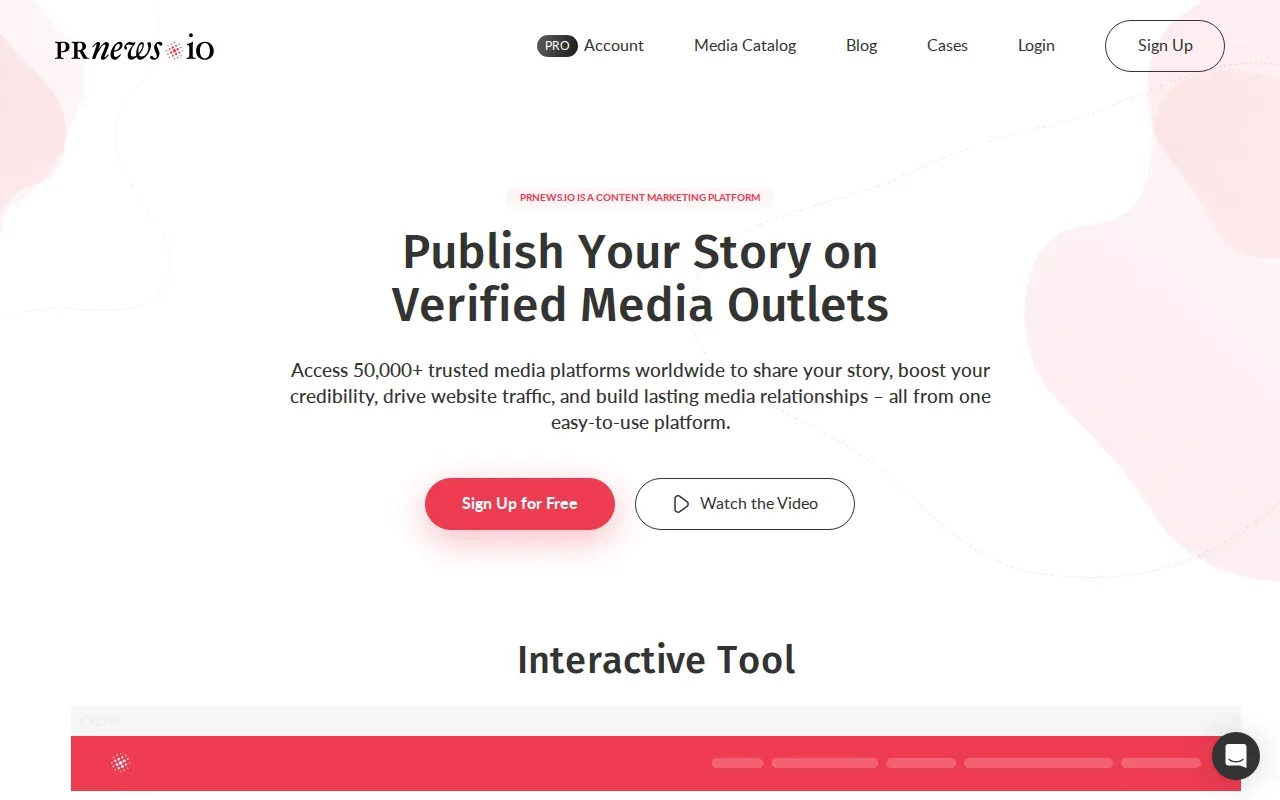
That low starting point makes it a candidate for a small test order or a sponsored-content campaign with a tight budget. But the starting price is not a promise that every publisher or placement will cost about the same. Review the specific outlet, placement type, and publication terms before you commit.
It helps to separate the value of media coverage from the SEO value of a link. A relevant publication may put your brand in front of its readers, while a paid link intended to pass ranking credit raises a separate Google policy concern. Ask how the paid placement will be labeled and decide whether its audience reach justifies the cost even if the link doesn’t pass ranking credit.
For a campaign, write down the target page and the reader you want to reach before browsing publishers. That keeps the cheapest listing from becoming the only reason to order. Publisher-dependent pricing can be useful when you’re comparing different outlets, but the details of each offer still matter.
PRNEWS.IO’s low entry price is most useful as a starting point for comparing individual publication offers, not as a shortcut around publisher checks.
2. Adsy: Budget guest-post placements with a large publisher selection
Adsy is a guest-post marketplace with placements from approximately $12. It may fit budget-conscious campaigns, including teams looking for a broad selection of publisher offers.
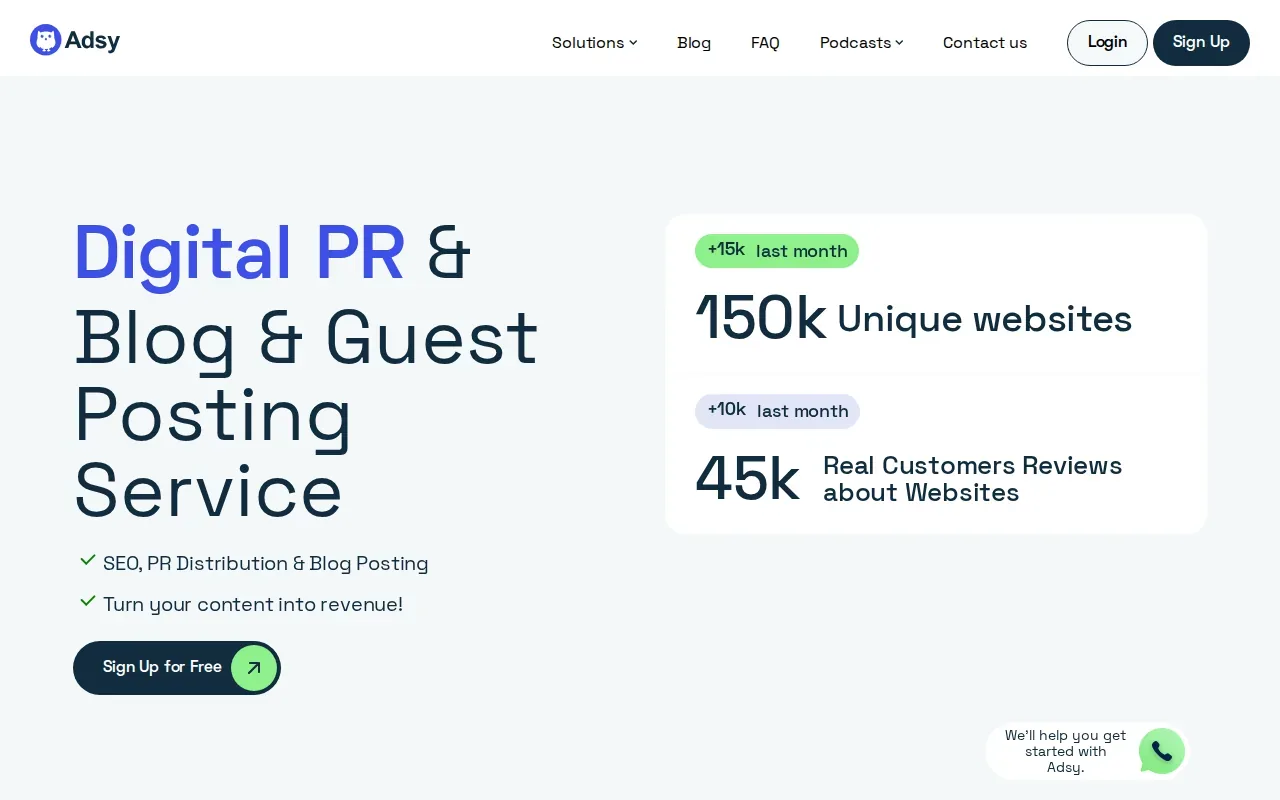
Guest posts can give you more say over the article topic than a link inserted into existing content. That control is useful only if the host site covers subjects its readers care about. Check the page or section where the post will appear, not just a domain score or a low price.
Before placing an order, confirm what the price covers. A placement may involve publisher fees, writing, or both, so compare the full order cost rather than one headline figure. Review the draft before publication if the order process allows it, and check that the link points to the right page with an anchor that reads naturally.
For a small campaign, ordering one placement first can show how the workflow handles content and publisher review. It also gives you a live page to assess before you spend more. Don’t treat a large catalog as proof that every site will suit your niche.
Adsy is a reasonable fit when you want to compare guest-post offers across publishers. Your own site checks still decide whether a listing belongs in the campaign.
3. Linkhouse: Low-entry marketplace offers and campaign filtering
Linkhouse is a link-building and content marketing platform with marketplace offers from $15. It may suit agencies, SaaS businesses, or international campaigns that need filters to narrow publisher choices.
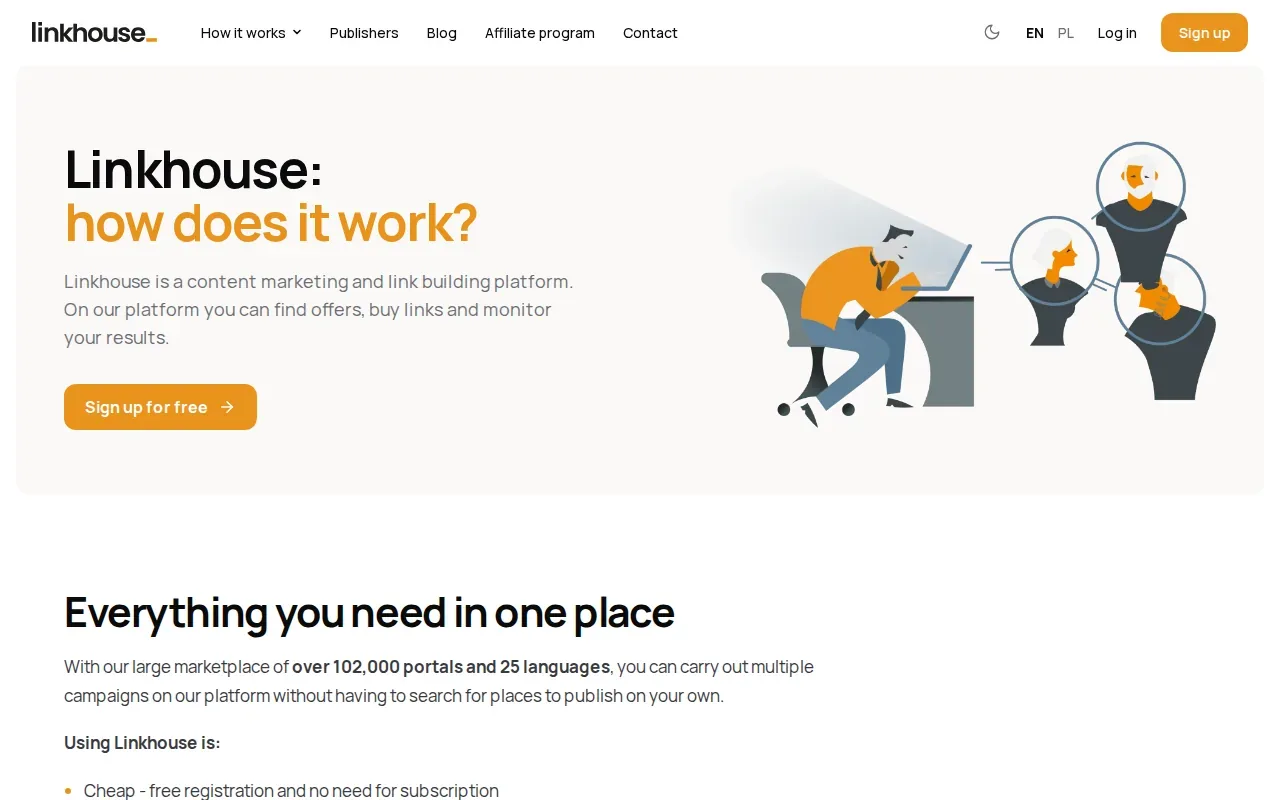
Its marketplace includes more than 102,000 websites, with publication options in up to 25 languages. Linkhouse also says its marketplace has more than 60 filters. For a campaign aimed at a specific region or topic, filters can help cut down the list before you review individual sites.
The platform includes different formats, such as link insertions and articles published on another site. Those formats aren’t interchangeable. An insertion uses existing content; a guest post starts with a new article. Ask which format you’re buying and look at the exact page where the link will appear.
A useful vetting pass is to check whether the host publishes on a consistent topic, whether its pages appear useful to readers, and whether the proposed link makes sense in context. A filter can help you find candidates, but it can’t make that judgment for you.
Linkhouse is a fit for teams that want to narrow a broad marketplace before reviewing specific offers. The final check still belongs to the person ordering the link.
4. INSERT.LINK: Page-level relevance starting at $20
INSERT.LINK is a marketplace for page-level link placements, with prices from $20 per link. It may suit teams that want to find relevant pages and work those placements into repeatable link-building workflows.
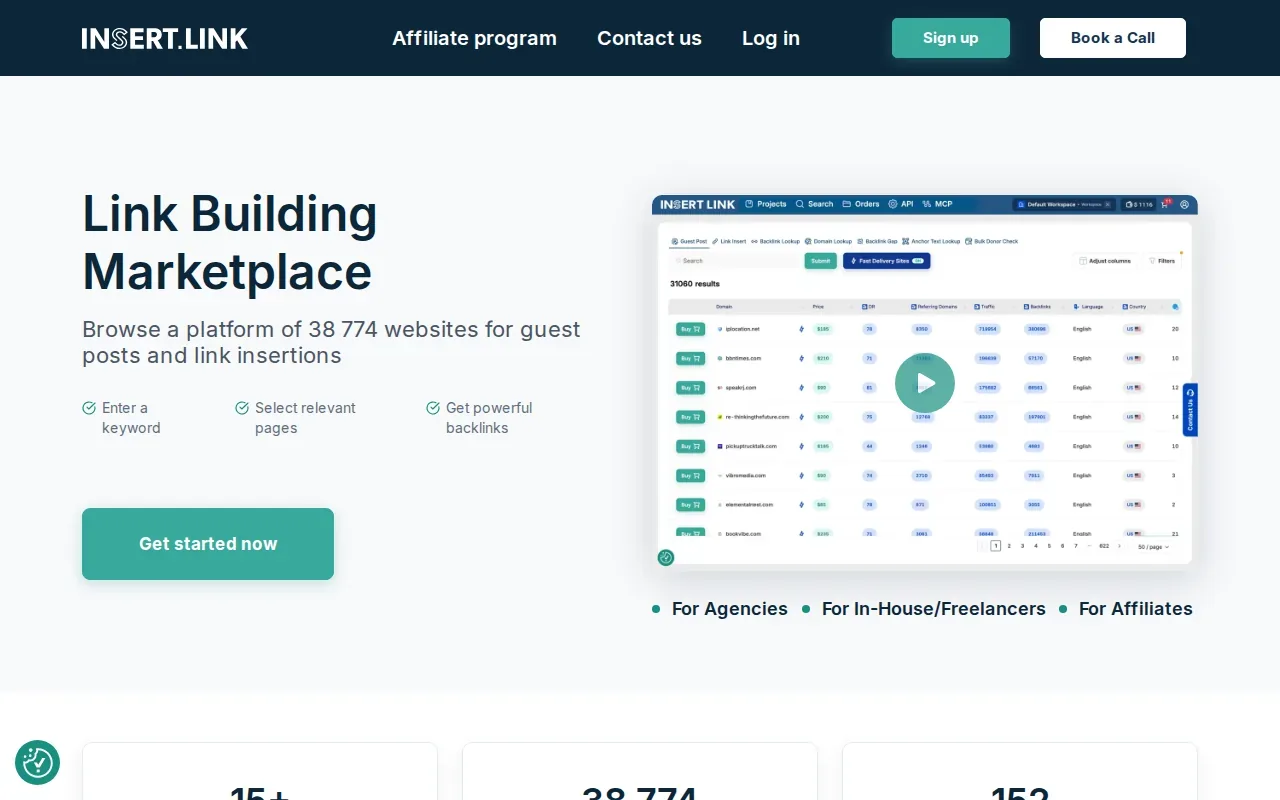
Page-level search changes what you assess. Instead of looking only at a site’s overall metrics, inspect the article that may contain your link. Does the page cover a related subject? Would a reader have a reason to follow the link? If the answer is no, a strong domain score won’t fix the mismatch.
INSERT.LINK also has API and MCP access for workflow automation. That may help teams that manage many campaigns through a set process. Still, automation doesn’t replace editorial review. A team member should check the target page and proposed anchor before approving an order.
For example, a company selling accounting software should look for a page where a reference to accounting tools makes sense to the reader. A placement on an unrelated page may meet a metric target but miss the point of relevance.
If page context is your main buying criterion, INSERT.LINK’s starting price gives you a clear threshold for assessing specific offers.
5. Collaborator: Marketplace options for SEO teams and digital PR
Collaborator is a marketplace for digital PR and content distribution, with placements from $20 or more. It may suit SEO teams, agencies, SaaS companies, and campaigns that need to choose media outlets for published content.
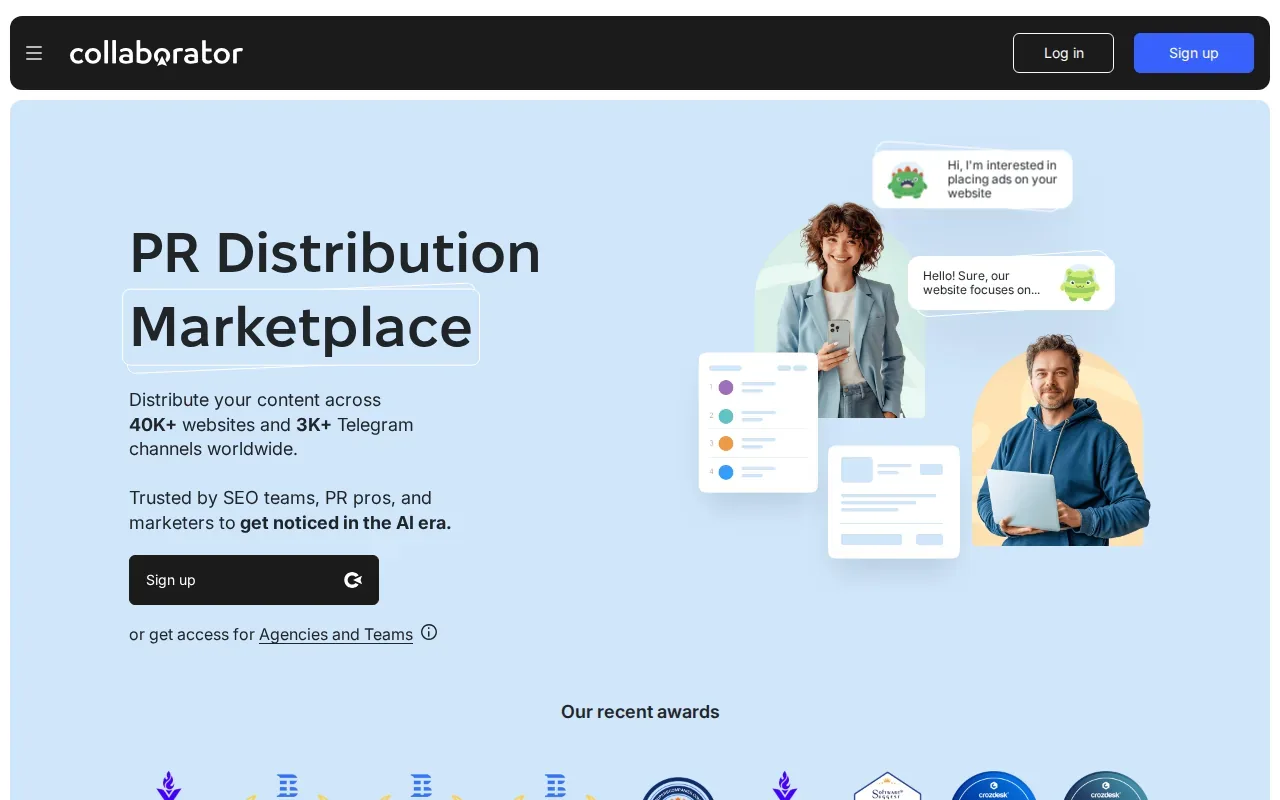
The service lets teams select outlets such as magazines, blogs, and digital publications. That choice can matter when a campaign has a clear audience or story, rather than a link target alone. Collaborator also has a Team Account for agencies and SEO teams, which can help when more than one person handles campaign work.
Before ordering, check the outlet’s topic and traffic pattern. Collaborator provides a filter for sites with growing traffic and lets users review feedback about site owners. Read the terms that apply to the specific order before relying on that protection.
A digital PR placement should have a reason to exist beyond the backlink. If the article reaches the people you want to reach, the campaign can have a clear purpose even when you don’t count on ranking credit from the paid link.
Collaborator suits campaigns where the outlet and content are part of the decision, not just the price per placement.
Quick comparison: Which cheap backlink option fits your campaign?
The lowest starting price isn’t the same thing as the lowest-risk choice. Use the comparison below to match each option to the kind of control your team needs.
| Option | Starting price | Best fit | First check |
|---|---|---|---|
| PRNEWS.IO | Around $5 | Publisher-led media placements | Review the exact outlet and its requirements |
| Adsy | Approximately $12 per placement | Budget guest-post campaigns | Check what the order price includes |
| Linkhouse | $15 for marketplace offers | Campaigns that need filters or international options | Inspect the proposed page and format |
| INSERT.LINK | $20 per link | Page-level relevance and scalable workflows | Read the host article in context |
| Collaborator | $20+ per placement | Digital PR and outlet selection | Confirm the placement’s guarantee terms |
Google’s spam policies classify buying or selling links for ranking purposes as link spam. Google says paid links should be qualified with rel="sponsored" or rel="nofollow" so they don’t pass ranking credit.
That distinction matters when you compare a sponsored article, a guest post, or a link insertion. Paying for advertising or exposure is different from paying for a followed link intended to change rankings. The label and terms of the placement are part of the buying decision.
- Guest posts: Review the topic, draft, and host site before publication.
- Link insertions: Check the existing article and whether the added link belongs there.
- Press releases or sponsored media: Assess the audience value, then confirm paid links are labeled appropriately.
- Outreach placements: Ask how the publisher is chosen and what you can review before it goes live.
- PBNs and link farms: Avoid packages built around these networks. Distribb.io’s stated guarantee excludes them.
Terms such as “Wikipedia links” or “tier-2 citations” can describe very different tactics. Don’t assume a seller can place a link on a page just because it names that page type. Ask for the specific URL and placement details before paying.
For a fuller vetting routine, Distribb’s guide to buying contextual backlinks safely covers relevance checks and risk signals. In any marketplace, keep a record of the target URL, live placement, anchor, and link attribute. Recheck the page later to confirm the link remains live and the surrounding content still makes sense.
Backlinks can support search visibility, but buying a link does not guarantee a ranking change. Search engines may ignore links they view as manipulative. For local SEO, a relevant local publication or community-facing article may also reach nearby readers, but the link alone can’t replace useful local pages or accurate business information.
“A low price is a reason to inspect the offer, not a reason to skip the inspection.”
FAQ
Is it legal to buy backlinks?
Paying for a link is not, by itself, the same as breaking a law; Google’s rules are a search policy, not a statement of criminal law. But Google treats paid links intended to manipulate rankings as link spam. For paid advertising or sponsorship, qualify the link with rel="sponsored" or rel="nofollow" and check the disclosure rules that apply to your market.
Do cheap backlinks help rankings?
Cheap backlinks may not improve rankings, and no provider can guarantee a ranking change. Search engines can ignore links they judge manipulative. A low price also doesn’t tell you whether a site is relevant or whether readers use it. Judge a placement by its page, topic, link attribute, and audience value instead of assuming that more links will produce better results.
What types of backlinks can you buy?
Common paid placements include guest posts, links inserted into existing articles, sponsored media stories, and press releases. Some sellers also promote PBN or link-farm packages, which are risky and best avoided. Ask for the exact host page and placement type before paying. The label “backlink” alone doesn’t explain how the link will appear or whether it follows Google’s paid-link rules.
How much should a backlink cost?
Prices in this shortlist start around $5 for some PRNEWS.IO placements and rise to $20 or more for options such as INSERT.LINK and Collaborator. These are starting prices, not a quality score. Publisher, placement type, and campaign requirements affect the offer. Compare the full order terms and inspect the actual page before you weigh price against value.
How can I check a backlink after it goes live?
Save the live page URL and the target URL when you place the order. Then check that the page loads, the link points to the right destination, and the anchor fits the surrounding text. Confirm whether the link uses rel="sponsored" or rel="nofollow" when it’s paid. Revisit the page later to see if the placement remains live.
Should I buy backlinks in bulk?
It’s usually wiser to test one placement before ordering in bulk. A small test lets you review the publisher’s page and the delivery process before you commit more budget. If you expand, keep the campaign tied to relevant pages and varied, natural anchors. Don’t use a fixed link count or fast delivery promise as proof that a campaign is safe.
Conclusion
Choose the provider that fits the placement you can defend: a relevant page, a clear purpose, and appropriate paid-link labeling. For automated backlink building with a stated contextual quality guarantee, compare Distribb.io’s ongoing plan against your campaign needs, then review Distribb pricing and start a free trial if it fits. Start your Free Trial