

Trying to bring in more patients without spending on every channel at once? The strongest acupuncture marketing mix starts with local search, then adds the tools that fit your schedule and goals. Here are five options, including acupuncture SEO, and what each can do for a practice.
1. Distribb.io: SEO and content visibility automation
Distribb.io is an AI-powered SEO platform that automates keyword research, content creation, publishing, backlink building, and AI-search visibility. It’s best for practices that want to build a steady organic search presence without handling each SEO task by hand.
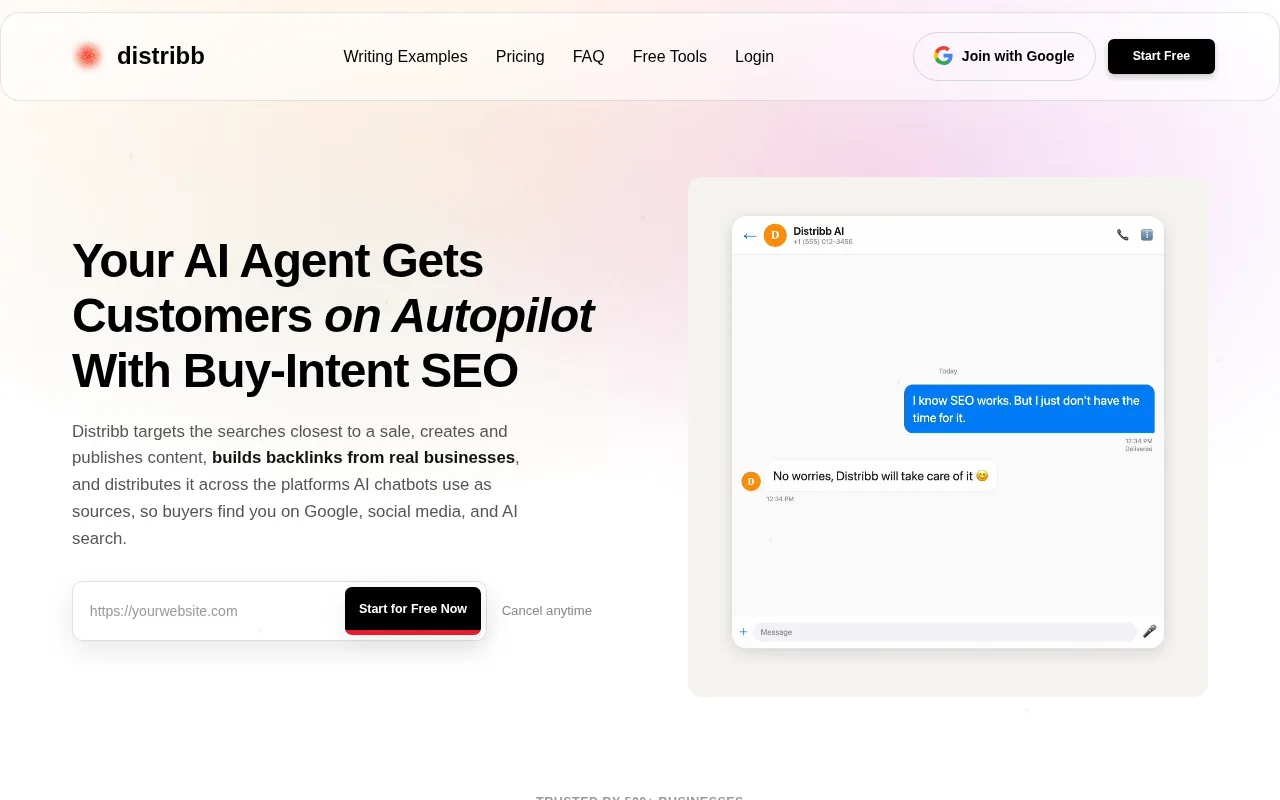
For an acupuncture clinic, useful content can answer the questions people ask before booking. A page about acupuncture for sciatica, for example, can explain what an appointment involves and how to ask about care. A page about fertility support can address a different set of questions. These pages help match a search to a relevant service, instead of sending every visitor to a general home page.
Distribb.io can automate parts of that work, including research and publishing. The platform also builds backlinks and supports visibility in AI search. If you’re planning condition-focused pages, start with services your practice wants to grow and have a qualified clinician review health-related claims before they go live.
For an acupuncture clinic, the value depends on whether you can maintain accurate service information and review content before publication. Automation doesn’t replace clinical judgment or legal review.
See Distribb.io’s acupuncture SEO service for the practice-specific offering.
2. Google Business Profile: Local discovery and patient calls
Google Business Profile is a free listing that helps nearby searchers find key details about a practice. It’s best for clinics that want to show up in local search when someone is choosing an acupuncturist nearby.
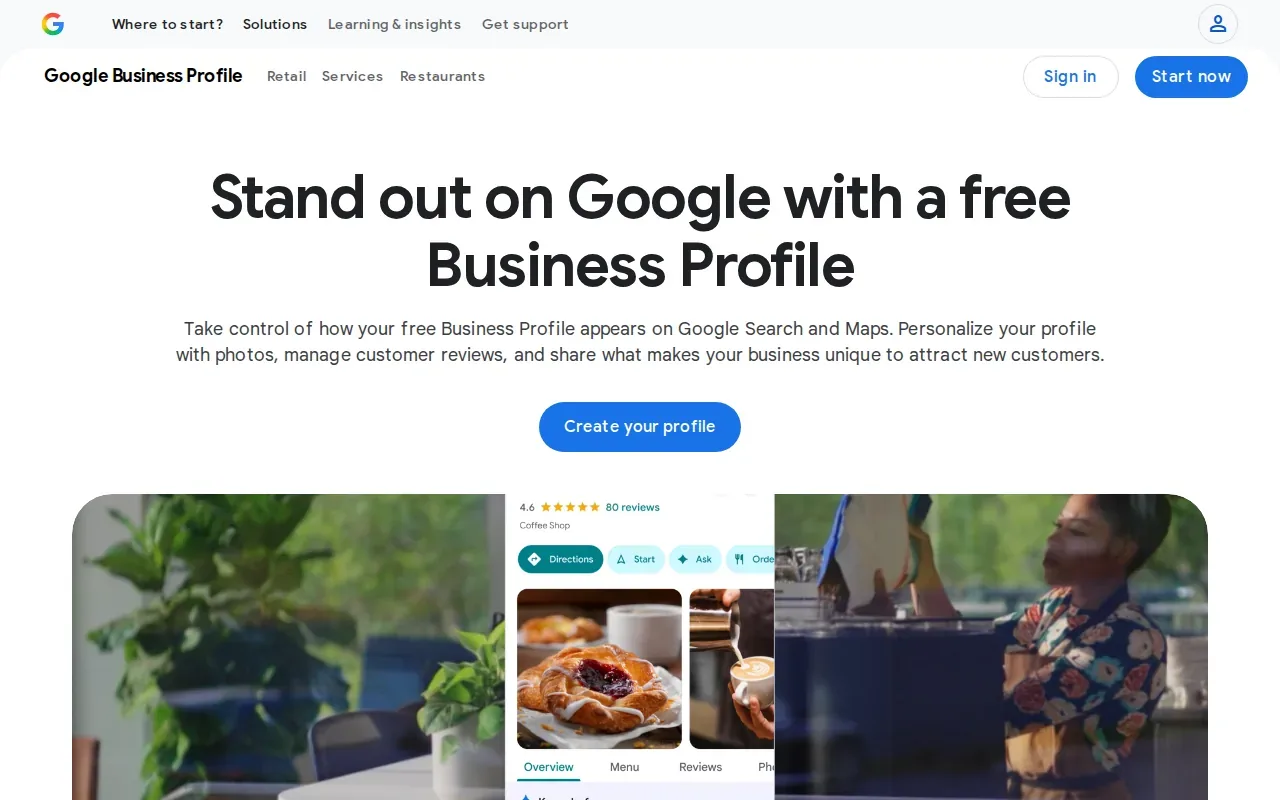
Start by claiming and verifying the profile. Check that the practice name, address, hours, website, and service details are correct. Choose an accurate business category, then add clear photos of the clinic and treatment rooms. Keep updates current when hours or services change.
Reviews matter because people often want reassurance before booking a health service. Set a consistent, neutral process for asking patients for feedback. Don’t pressure people to leave a positive review, and avoid sharing a patient’s health information when responding publicly.
A complete profile is a reason to complete the listing before spreading a small budget across several channels. Results will still depend on local competition and the care people take to keep the profile accurate.
A profile works best when its details match the clinic website. Check that your site gives local searchers a clear next step.
For privacy, don’t use patient details in review replies or marketing posts.
3. Google Ads: Paid search for high-intent patient leads
Google Ads places paid listings in search results for chosen terms. It’s best for a new practice or a clinic in a competitive area that needs to test patient demand sooner than organic SEO may allow.
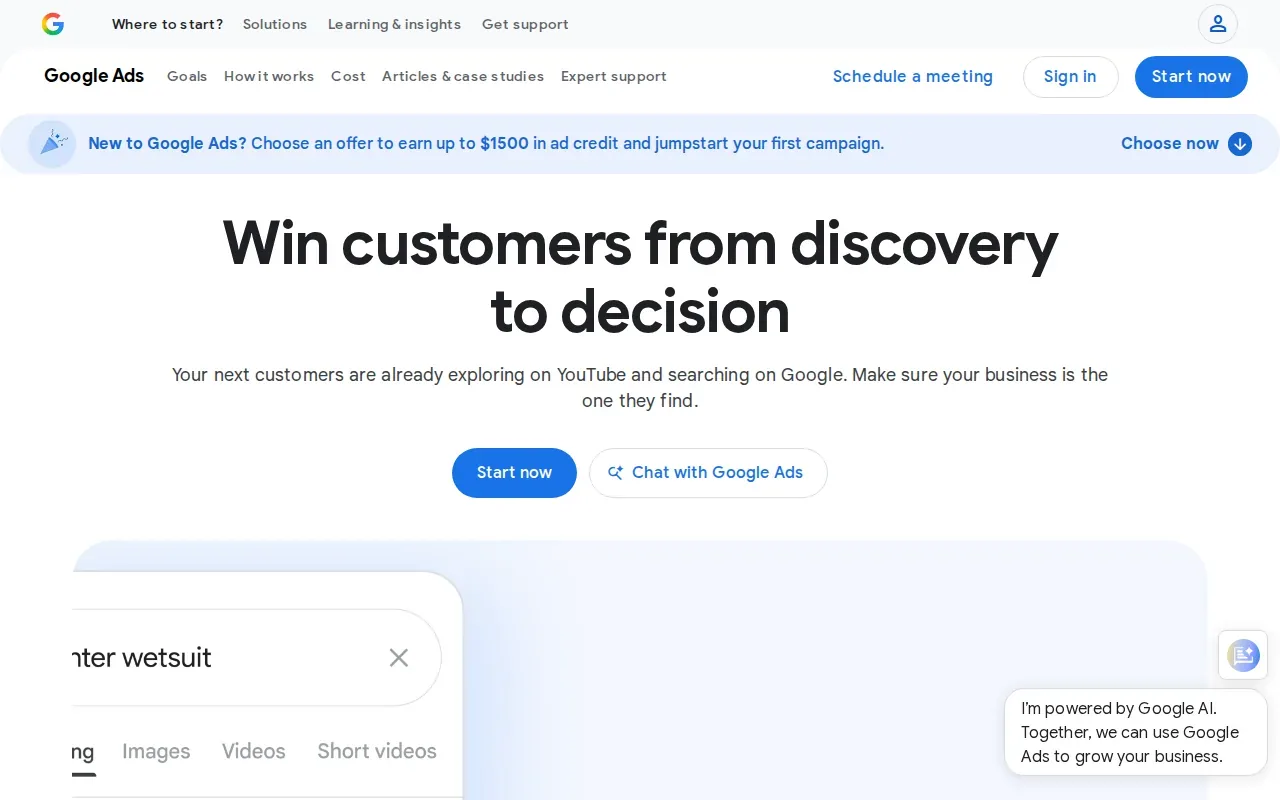
Build campaigns around the services you want to promote. A person searching for acupuncture for neck pain has a different question from someone looking for fertility support. Use separate ads and landing pages where possible, so the page answers the search rather than sending every visitor to the home page.
The cost of a new patient from Google Ads varies widely for acupuncture practices. Your costs can change with location, competition, ad quality, and the booking path on your site.
Set a budget you can afford to test, then watch the cost per booked first visit. Clicks alone don’t tell you whether an ad is bringing in patients. If the landing page gets visits but few inquiries, check whether the page matches the ad and makes the next step easy.
Health ads need careful wording. Avoid claims that promise a treatment outcome, and review the current rules before launching.
Google Ads can produce faster visibility than SEO, but the spend stops working when the campaign stops. Use paid search to test a specific service, not as a substitute for a clear website and a complete local profile.
4. Healthgrades: Healthcare directory visibility
Healthgrades is an online healthcare directory with provider information and patient reviews. It’s best for clinics that want another place for prospective patients to check a practitioner’s background and areas of care.
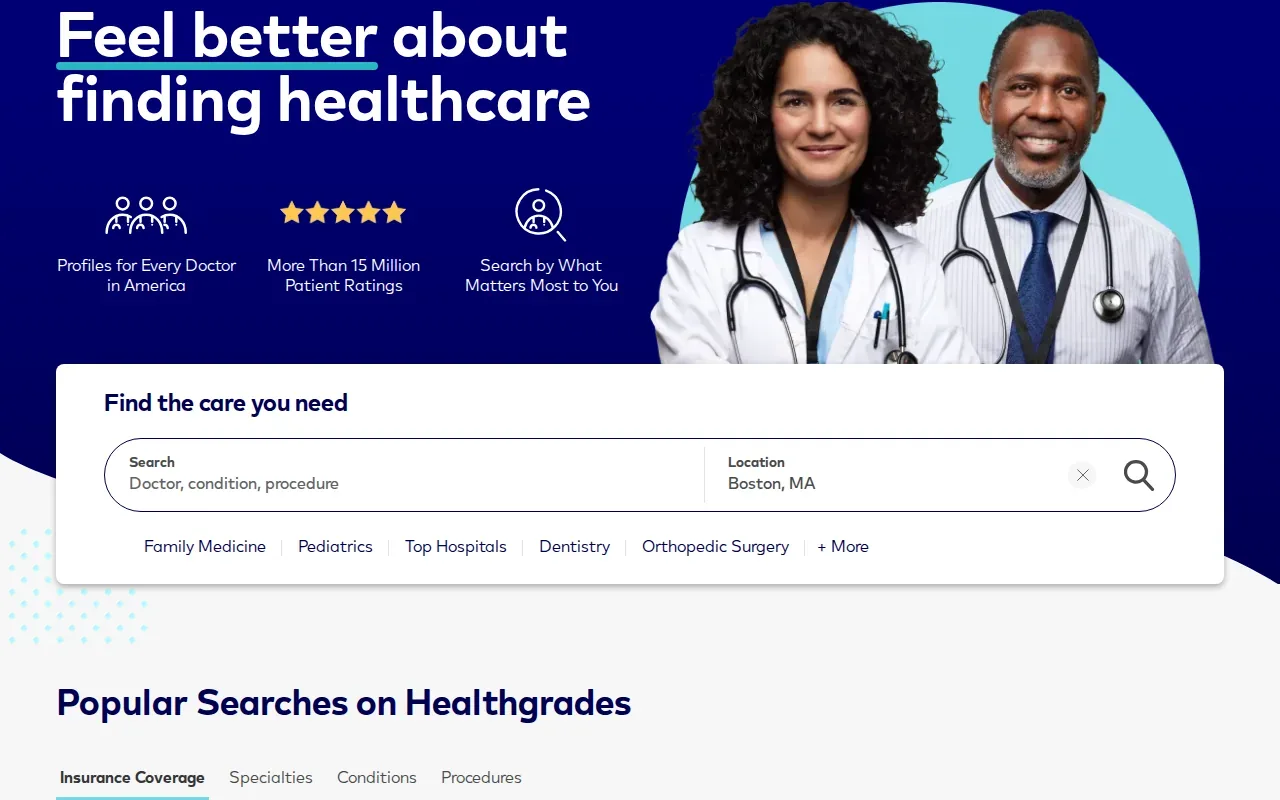
Review the profile details for accuracy. Keep your practitioner bio, qualifications, and practice information consistent with your website and other profiles. Patients compare details across sources, so a mismatch in a name or specialty can create doubt.
Healthgrades lets users filter providers by factors such as location, rating, practice area, language, and appointment availability. That means clear profile information helps a prospective patient decide whether to learn more. It doesn’t replace your own website, where you can explain what a visit involves and how to book.
Use a directory as one part of the patient’s research path. It can support discovery, while your website and booking process handle the next step. Check the profile from time to time, especially after a change to services or practitioner credentials.
A directory listing is most useful when it supports accurate, consistent information rather than making claims your clinic can’t support.
5. Riverd: Booking and practice storefront experience
Riverd is free practice management software for independent wellness practitioners. It’s best for a solo acupuncturist who wants a public storefront and online booking alongside basic client and payment records.
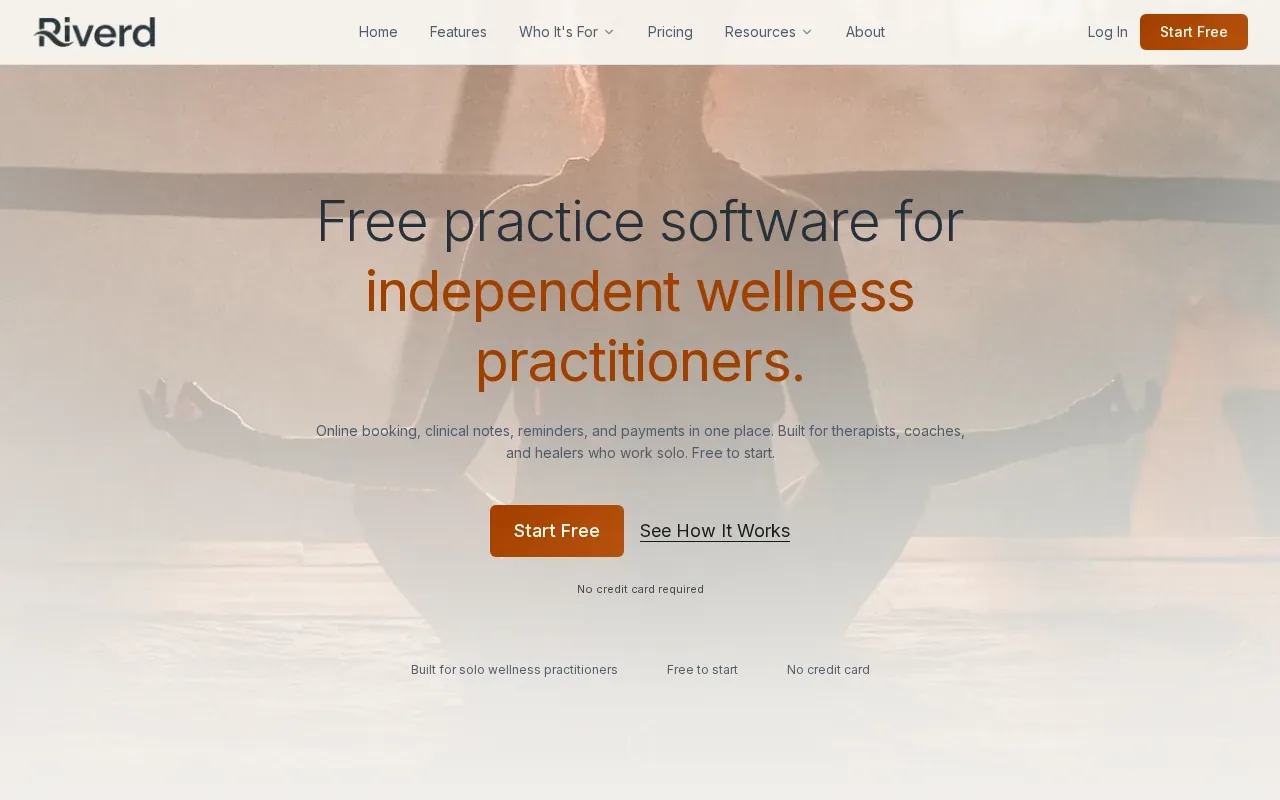
The features include online booking, client records, payment tracking, email confirmations, Google Calendar sync, and AI SOAP notes. A public storefront gives clients a place to view the practice and take the next step. Online booking can also help when someone is ready to schedule outside the clinic’s working hours.
For a small practice, keeping booking and basic records in one workflow may reduce the need to switch between separate tools. Still, software choice should match the clinic’s record-keeping and privacy needs.
That point deserves attention before entering any client information. Review how the tool fits your obligations, what data you plan to store, and what your own policies require. Practice software can support scheduling, but it doesn’t decide whether a workflow meets the rules that apply to your clinic.
Consider Riverd when the main need is a public booking path and simple practice operations. If your clinic needs more involved records or workflows, assess those needs before moving patient information into any system.
Acupuncture Marketing Options at a Glance
These options do different jobs. Start with the gap you need to fix, then add another channel when you can manage it well.
| Option | Best fit | Role in the patient journey |
|---|---|---|
| Distribb.io | Building organic and AI-search visibility | Publishes SEO content and supports backlink building |
| Google Business Profile | Local discovery | Helps nearby searchers check clinic details |
| Google Ads | Faster visibility for selected services | Reaches people searching for care now |
| Healthgrades | Directory research | Shows provider details and patient reviews |
| Riverd | Solo practice booking and records | Supports booking and basic practice tasks |
Local listings and ads help people find a practice. Useful content can answer early questions, while email can help keep existing patients informed between visits.
Frequently Asked Questions About Acupuncture Marketing
What is the best marketing for an acupuncture practice?
For many clinics, a complete Google Business Profile is the best place to start. It gives local searchers core practice details and a way to assess the clinic. Then build useful service pages for the treatments you want to grow. Add paid ads only when your site can turn a visit into an inquiry or booking.
How can acupuncturists get more patients from Google?
Acupuncturists can improve local visibility by claiming and verifying their Google Business Profile, keeping details accurate, and asking patients for honest reviews. Add website pages that answer condition-specific questions in plain language. Make sure each page shows how to take the next step, such as viewing availability or booking.
Are Google Ads worth it for acupuncture clinics?
Google Ads can be worth testing when a clinic needs faster visibility and has a clear service page to send visitors to. Set a budget before launch and track booked first visits, not just clicks. The cost per new patient can vary by market, so use early results to decide whether to adjust or pause a campaign.
What should an acupuncture clinic post on social media?
Share clear answers to common questions, explain what a first visit involves, and introduce the clinic’s approach without promising a health outcome. Educational posts can reassure people who found the practice through search. Keep patient details private, and get appropriate permission before sharing identifiable images or stories.
Does SEO take longer than paid advertising?
SEO usually takes longer to build visibility than a paid search campaign, but useful pages can continue attracting search traffic after publication. Paid ads can appear sooner, subject to approval and the ad auction, but visibility depends on ongoing spend. Many clinics should first make their local profile and booking path clear.
Conclusion
Start by improving your Google Business Profile and the page a patient reaches before booking. Then choose one channel to test, based on whether you need local discovery, faster search visibility, or a stronger content base. If organic visibility is your focus, explore Distribb.io’s acupuncture SEO service and start your free trial.